Followers

Showing posts with label talibés. Show all posts

Wednesday, November 29, 2023

Ronde de Nuit, Encore


Rowan, Vicki and I joined a night rounds team last Thursday. Rowan and I have participated in night rounds many times over many years. And yet, I am shocked each and every time. The experience always seems to need to sit within me for a few days, locked away until I feel ready to process. Now, I am ready to write about it. Letting it out of my mind and onto the page helps. 


An article I wrote about Ronde de Nuits a few years ago


We arrived at the Maison de la Gare center at 11pm, an hour earlier than when we have done this work on previous visits.  The door was unlocked, we were expected. The night guard was seated where he could keep an eye both on the front gate and the dortoir d’urgence.


There were already two new talibé boys in the dortoir that Abdou had brought in earlier in the evening. A local social agency had found the two sleeping on the streets and had sought out a Maison de la Gare representative and handed the boys over.  And there was a third still in the dortoir from the previous week, waiting until MDG could arrange to return him to his home village of Kaolak, many hours journey from Saint Louis. I had met Samba, a nine year old boy, the day before. He had run away from his daara, he has had enough of the abuse and he wants to go home. He has not seen his family in five years. He looks about the size of a six year old child, it is too much. When one has to beg for everything they eat, malnutrition is real. It was good to see him smile as we spoke with him about going home. Happiness was not likely a common feeling for Samba.


The rest of the night rounds team arrived. We split into two groups and set off in opposite directions, in search of talibés en fugue, boys who had chosen to run from their oppressors, preferring the unknown dangers of being alone on the streets to the known dangers of modern slavery they lived with in the daara. it is uncomfortable to imagine what might induce a boy to run when on the streets they are alone, must always hide to avoid capture and punishment.  And so it must be even harder to find enough to eat. At night worse dangers lie in wait, in the form of sexual predators and those who would take advantage of the opportunity to sell a child into slavery in nearby Mauritania. I am assured there are even worse fates as well, there are stories that I cannot bring myself to put to the page.


Rowan, Vicki,  Mamadou Gueye and I hopped into a taxi and headed toward the Gare Routiere, a place where we have never failed to find talibés en fugue. But we were not on the road long before we pulled over. We spotted a group of small boys curled up in their t-shirts, asleep on a storefront step, illuminated by the street lights. Sometimes the boys feel it is safer to risk being found by their marabout than to risk being found by other, more dangerous predators. There is a measure of safety in the light. 


We approached the boys. Mamadou first spoke to a nearby group of men, to ask how long the boys had been there and to learn if they were known. Talibés en fugue. He gently laid a hand on the arm of one sleeping boy, to wake him. He spoke gently in wolof to the boy, inviting him to come to Maison de la Gare to sleep and eat and be safe. Maison de la Gare and the night rounds team are well known as being safe and trustworthy. But did the boy know us? He came. The other boy, too, decided to follow us. We all squished back into the taxi, two scruffy, cold little boys snuggled in the back seat with us.  One of the children was so exhausted he fell asleep as soon as his body touched the seat. We delivered the two back to Maison de la Gare. The sleeping boy would not wake up and I carried him in. Vicki led the second boy. We tucked them into the bunkbeds in the dortoir with the other three boys who did not wake when we arrived. The two new boys crawled under blankets on likely the first beds they had ever in their lives slept on, and were soon fast asleep. I can only imagine their mental, emotional, and physical exhaustion. No questions, no curiosity…just sleep.

Sound asleep in the taxi on the way back to MDG

Back into another taxi, and we were off again toward the Gare Routiere. There are many groups of adults here, selling wares, drinking, cooking, watching. Many of the car and bus drivers, as well as the merchants sleep in the open here, ready to work again the next day. Unfortunately, this situation creates very dangerous conditions for talibés en fugue. A talibé can lie down to sleep, and wake up under a blanket with a man who has laid down to sleep behind him. Many sexual assaults happen in this manner, I am told. There are also many dark alleys and not much light, a good place to hide. But also a good place for trouble. I am happy for my martial arts skills. We stay close together as we search. 


Flashlights shone in car windows, under busses, into alleys. In a sheltered area with many sleeping adults and youth, there was a very small bundle. Talibé. Again Mamadou approached the boy. The child knew Maison de la Gare and he came with us. Two more little boys were found. We walked together toward the main road to find a taxi. The first three taxis that stopped were not interested in the fare. Too many people, and talibés! eventually we flagged two taxis and split into two groups. Two talibés travelled with Vicki and I. Rowan, Mamadou and the other talibé went together. Vicki and I arrived back at Maison de la Gare and led the two boys in. The others arrived soon thereafter.  Now there were nine talibés in eight dortoir beds. But the second team had not yet arrived. Perhaps they would find no runaways tonight. 


The second team soon arrived with four more little talibés. They were all so small! Too young and innocent for such a life. The boys were tucked into bed, with two each in five of the bunks. There were not enough covers. Mosquito nets were used as blankets. Within minutes, all thirteen were asleep. The next day the social workers would arrive and the boys would be sorted.


The social worker discovering their stories the next day


The talibés would sleep safe and sound in beds for perhaps the first time since leaving home. But sleep proved elusive that night for Rowan, Vicki and I.


Monday, July 4, 2022

Schools in the Desert


As we left the hotel behind us it was still dark. The crow of a rooster announced the new day about to break. The car was waiting. Our guide, Cheikh, was just arriving from morning prayers at the mosquée. We stopped to pick up Issa and Boubacar on the other side of the Pont Faidherbe, and we were on our way.


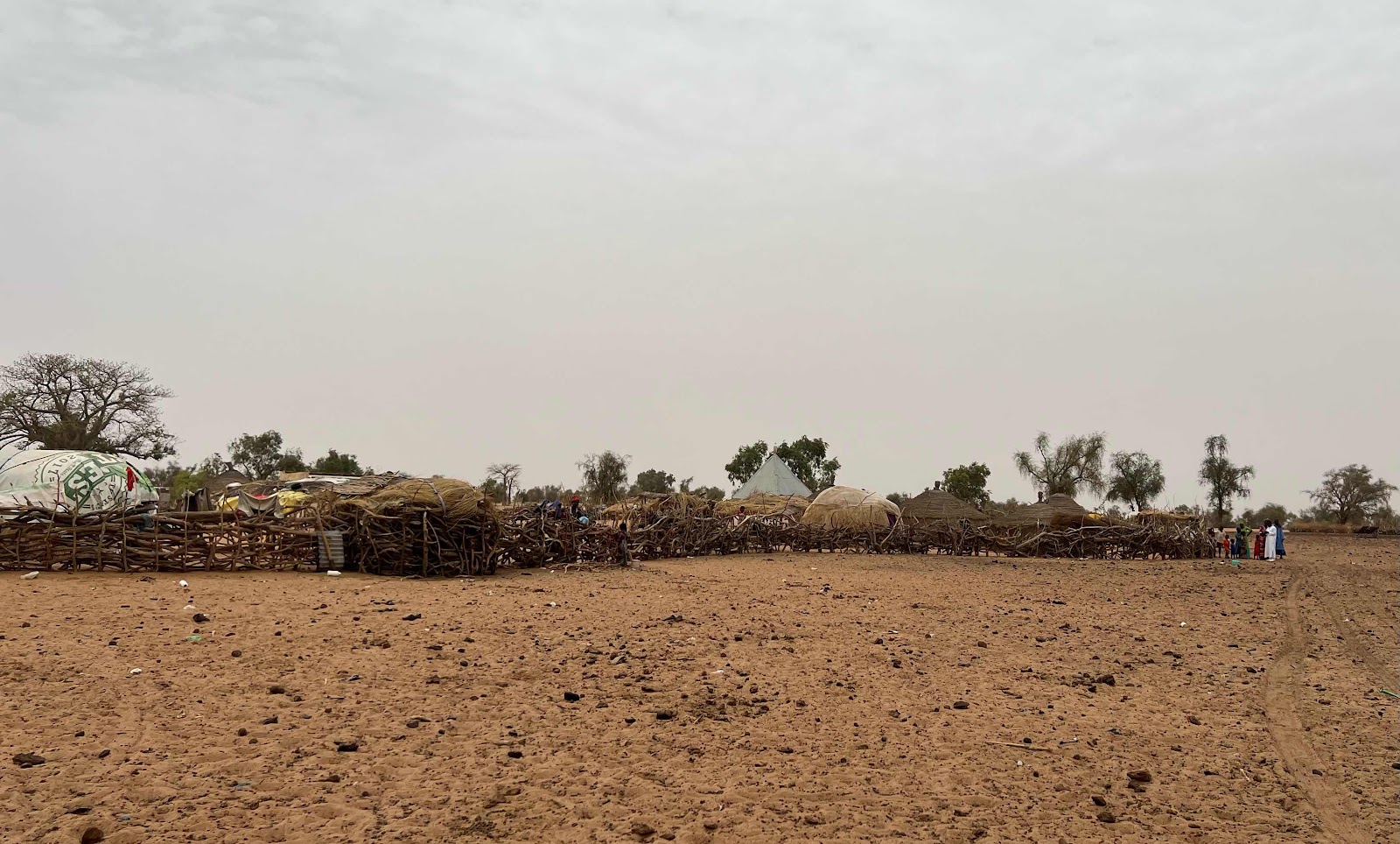
At Louga we left the highway and turned inland, toward Dahra Djolof. The sun had risen. The sandy breeze flowed through the open windows of the van, and most of the heat of the day was still in reserve.


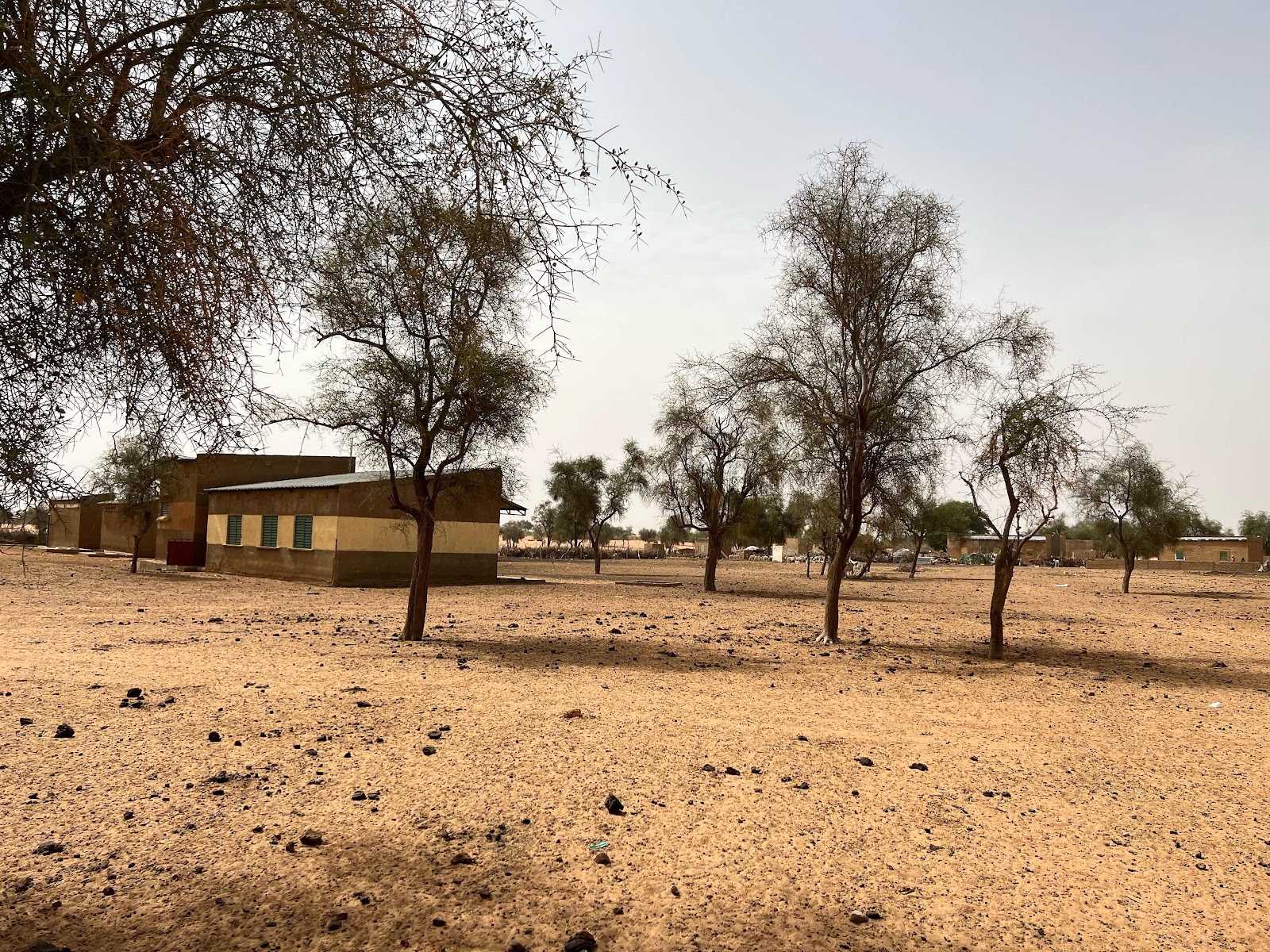
After about three hours we stopped in Dahra Djolof to pick up our bush guide, Omar. He will ensure we do not lose our way in the desert bush. The first hour of the road was so potholed we mostly drove on the sand. Then we turned off even that road. We eventually arrived at the region of M’Baye Aw. Our first stop was the Médina Alpha school. This was the second of five schools organized and built in the region as a pilot project. The first built permanently, of cement. 


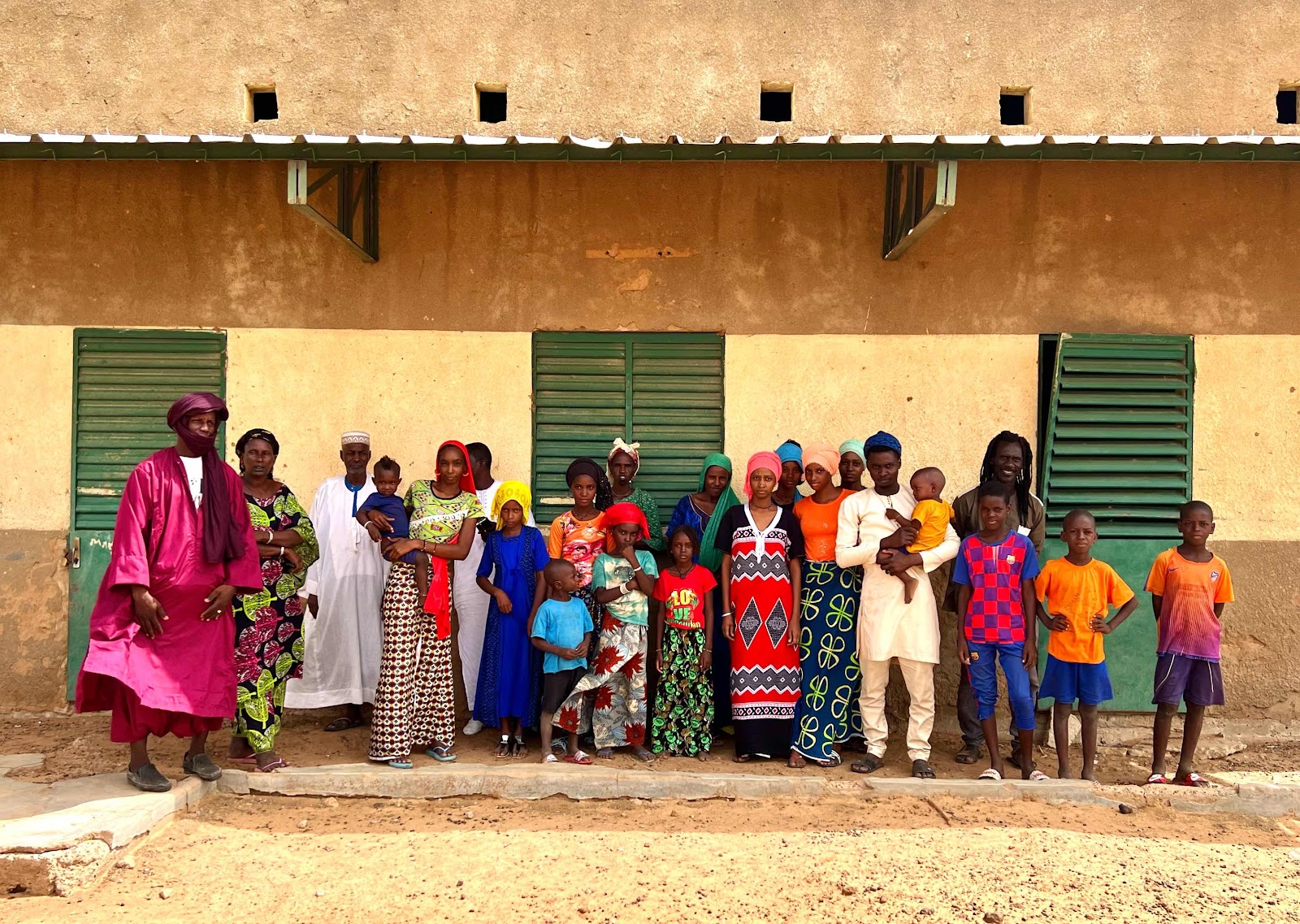
As we left the vehicle, villagers began to make their way curiously toward us from distant huts. Parents, some past students, and some current students were in the group. The class was not in session, as the teachers and many of the students are currently in town, writing final state exams. We asked if the past and present students would allow us to photograph them in front of the school. A parent phoned the village elder who came to observe the situation. After a discussion with Cheikh, he granted his permission. 


After the pictures were taken, more villagers who had initially been reluctant to be photographed insisted we re-take the photo, as all who were present now wanted to be included. 


57 students attend this school, fairly equally divided between boys and girls. The students who had advanced as far as they could (about five or six years of education, before travelling far afield would be required in order to continue) spoke very good French.


One school only is built solidly of cement. Three others are built of straw, and are reinforced or rebuilt by the villagers after each rainy season. One is not yet built. The teacher and students gather under a tree to teach and learn. Interestingly, after a few years of classes at the permanent school, the government accredited the schools and sent a government teacher to the cement school.  Proving, there is no need to wait and hope that authorities will build schools were schools have never been and are not likely to be. If we build it…they will come.


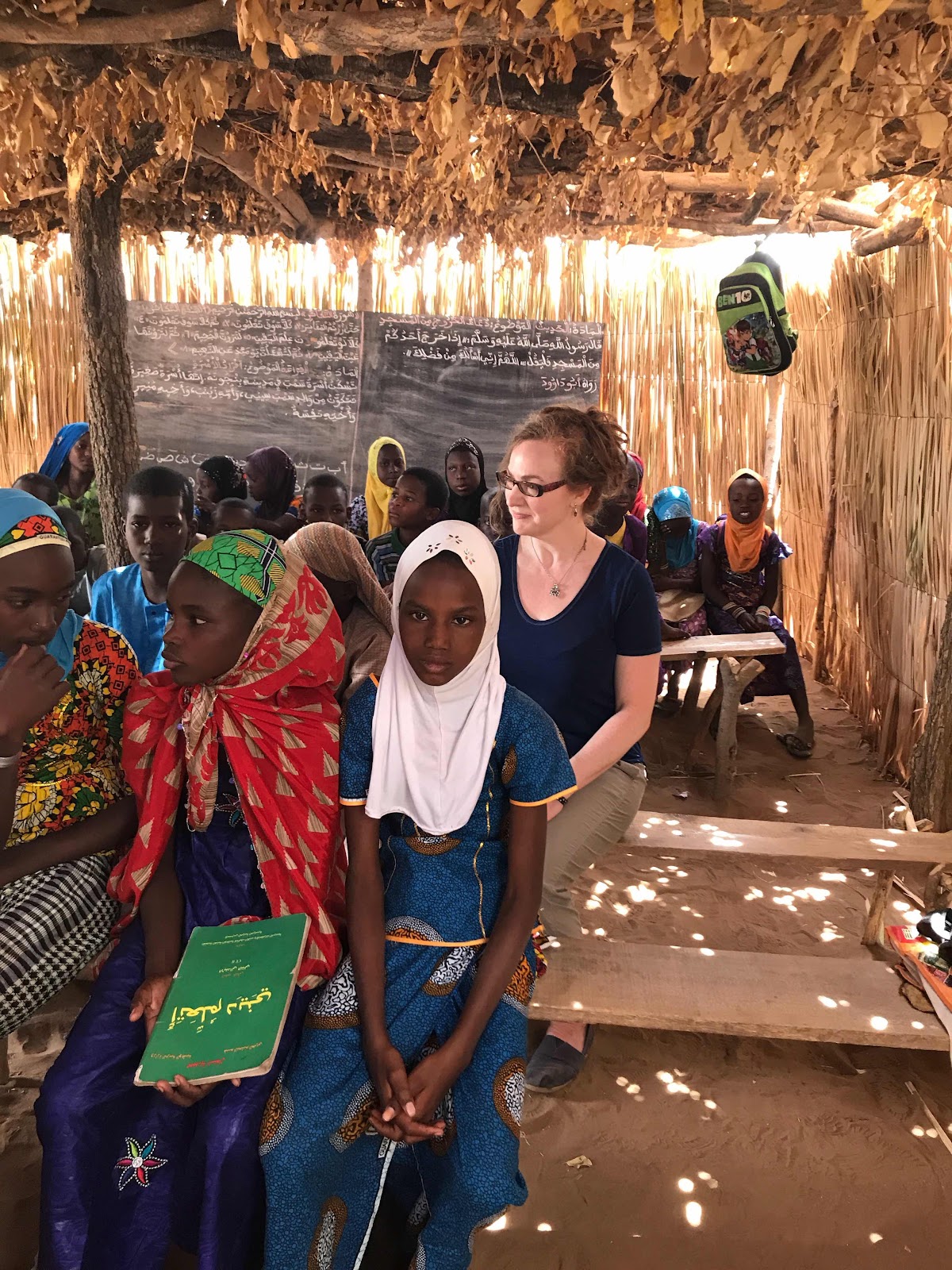
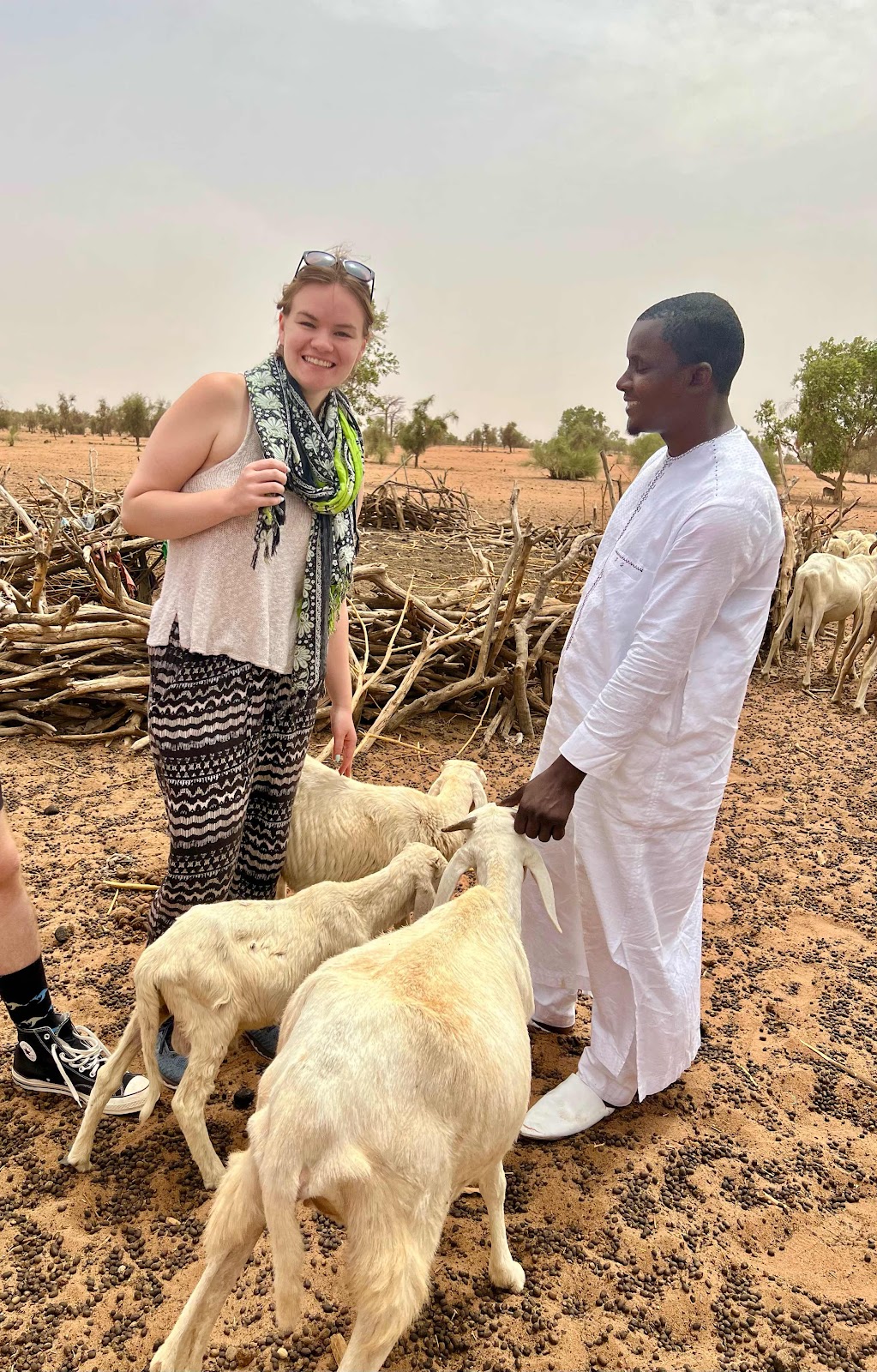
We then continued on to Cheikh’s nearby home village. This was the second visit for Rowan and I. The first for Robbie. We were greeted as if returning home.  Rowan was immediately taken to be introduced to her sheep. The original lamb, received from Aïssa as a gift four years ago, had multiplied into a small flock. Aïssa had kept them safe for her all this time. Villagers assured her Rowan would not return, and she should sell them, or eat them. But Aïssa refused, promising to keep them safe for Rowan even if she was never able to return. Yet, here we are. Aïssa’s faith has been redeemed. The villagers’ faith in her has been reinforced. More than faith, even. I sense awe.


A carpet of old, hardened sheep dropping surrounded the perimeter of the village. I could see how when the rains come the landscape would quickly transform from dry, sandy desert to lush, abundant vegetation. hopefully the rains will begin soon and bring an end to the hungry season. Even the animals are hungry. With the failure of the early short rains, many tree branches have been cut down to feed animals, throughout this region. Many trees look damaged beyond recovery. 


After a wonderful meal, tea, and a peaceful visit in this idyllic, traditional village, we got back in the car for the several hours drive, directed by Omar, through the desert to Dahra Djolof to meet the 65 students and their guardians and teachers.


A large house had been rented for the purpose of housing the 65 students. A teacher, several parents, a religious teacher, a supervisor, and a few cooks from the villages all stayed together to watch over and tend the children as they prepared for and wrote their exams over several weeks.


Upon arrival we were invited to enjoy a second meal that day. This time, thieboudienne. The National Senegalese dish. Then we were introduced to the children. they were divided into three groups to meet us, the boys, the young girls, and the older girls (teens and pre-teens). speeches were made by several people about the importance of education, the success of this school program in remote villages, and hope for the future. 


I was introduced as a partner who helped make all this possible. Then I was invited to speak. I am getting better at last minute, unexpected speeches in French that deflect praise toward the true deserving recipients: the Senegalese who founded and conceived of Maison de la Gare (Issa Kouyaté), the Senegalese founder of the m’Baye Aw schools project (Cheikh Diallo), and all the staff and leaders of MDG who never cease their efforts on behalf of the talibés of Senegal.


Then we got to meet the kids and take pictures with them. It is incredible to believe that these bright, articulate, eager students had never had the opportunity to attend school until the 5 schools were built and funded privately. 12 of the boys here to write exams are returned talibé who used to be forced daily to beg on the streets for quotas of money. but, several years prior, these ones were returned because now there was a school to attend. Now they have documents and are writing exams. Boys are no longer sent from these villages to becomes talibés. A marabout has even returned to teach the Quran traditionally, Village- based, while the children live at home, cared-for by their families.


Meeting the girls was just as inspiring. Apparently, they work the hardest, are the most dedicated to their studies. Never having had the opportunity for an education of any kind, they seem thirsty for more. They recognize the opportunity education offers. Before the schools, an early marriage was the expected path. In many cases, forced, such marriages can be a form of modern slavery just as is the forced begging talibé system.


Rowan and I met and spoke with some of the young girls who had given testimony about their fears of forced early marriage, and their desire to continue with their educations. I will write no more, for fear of putting them at risk. All I can say, is the experience was profound. Their words and fears and hopes will always remain with me.


We returned back to the hotel near sundown. A full and important day does not even begin to describe it. 


Clearly, the school project has been a success. Accessible, village- based schools are so clearly a tool for not only education, but importantly, to ending the modern slavery of the forced begging talibé system, and through the education of girls and the return to villages of boys, these schools could also be key to reducing and eventually ending the modern slavery scourge of forced early polygamous marriage.


There is still much to do: Opportunities are needed to continue education into high school, and opportunities for youth so they can remain in the villages once educated. Norms about early forced marriage may also be slow to change among parents.


Issa Kouyaté and Boubacar Gano of Maison de la Gare


The Maison de la Gare team appreciates and seems excited about seeking ways to take next steps, and about the possibilities for expanding this remote schools project to other areas in Senegal that are huge feeder areas for talibé boys being sent to cities. 


The future is looking hopeful, for so many reasons. for the boys and also the girls.


Sunday, December 1, 2019

Alkaline

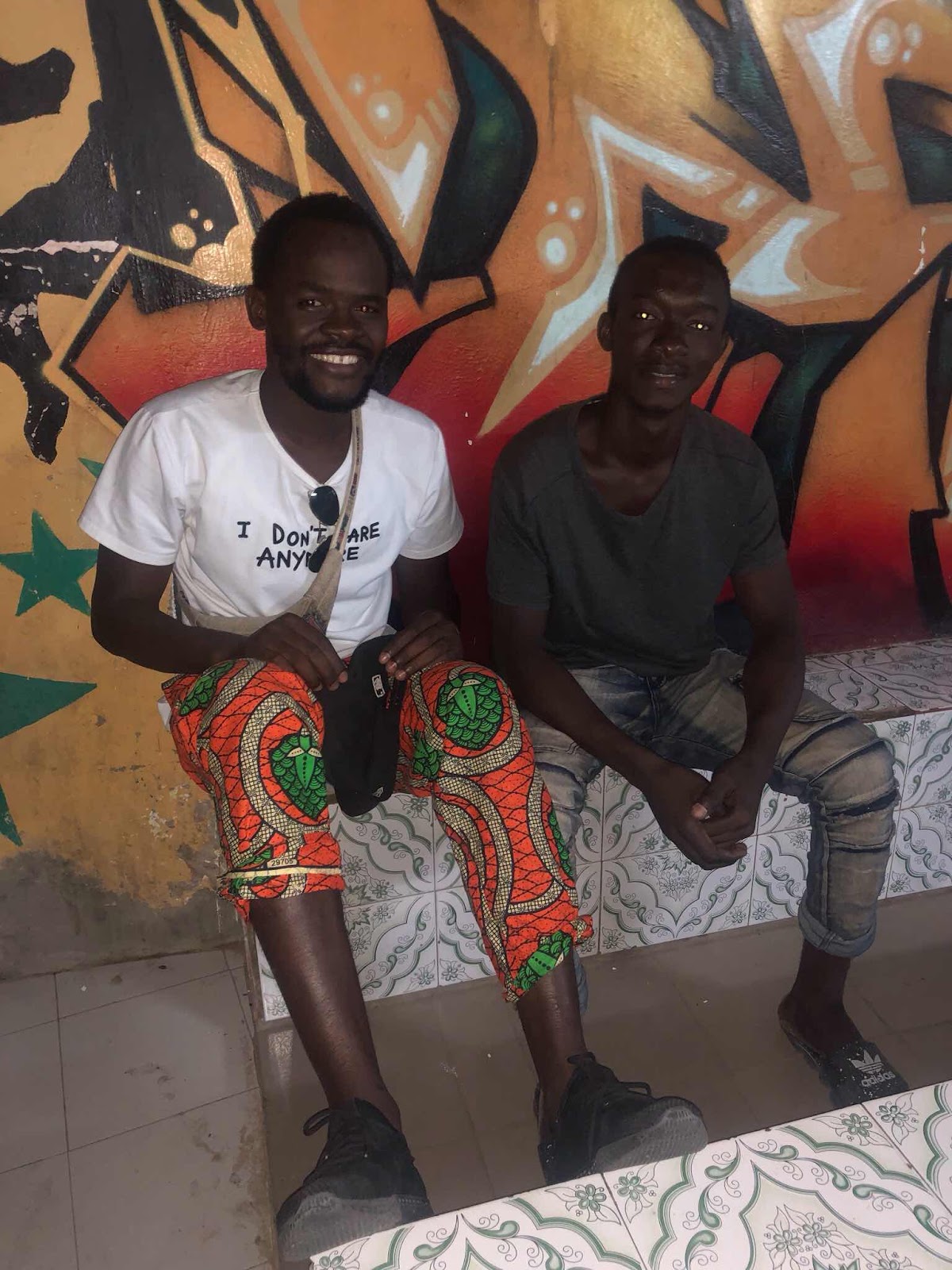
Sulayman with Abdou Soumaré

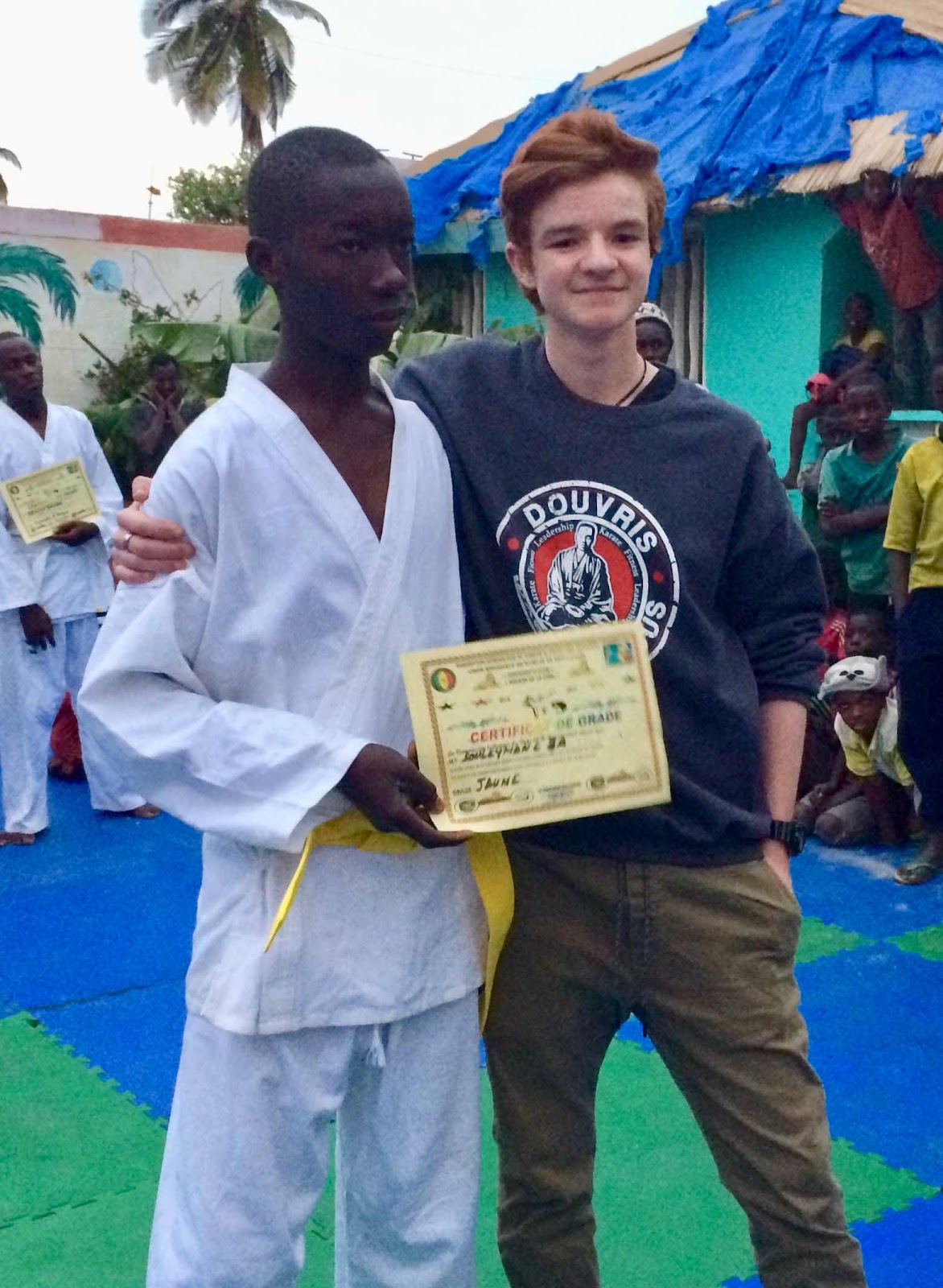
I have known Sulayman for over five years. He has always been a quiet, positive boy with a gentle spirit and a smile. He began with the karate program early. Robbie presented him with his yellow belt at a cérémonie de passage about three years ago. As he is originally from The Gambia, Sulayman speaks some English, and we always enjoyed conversations while hanging around the Maison de la Gare center.

Robbie Hughes presenting Sulayman with his yellow belt in karate


Sulayman remembers that when he was a young boy he lived happily with three brothers and two sisters and his mother and father in the Village of Welingarau in The Gambia, until the age of six. 

Everything changed when his father died. Sulayman does not remember his father at all, just photos of him. Apparently Sulayman had once told his father when very young that he wanted to be a marabout. and his brother said he wanted to be a teacher. Sulayman has no memory of having said this, or of ever having wanted to be a marabout. But, Because it had been his father's wish that he become a marabout, upon his father's death his mother sent him to an Arabic school in a nearby Gambian village. His brother was sent to school in hopes of becoming a teacher. Sulaymane remained in the daara for nearly eight years.

Then, at the age of fourteen, Sulayman's mother wanted him to go to Saint Louis to be a talibé to better learn the Quran. So, he was sent by his Marabout to a daara in Saint Louis. Saint Louis has a reputation as a place to send one's sons to learn the Quran, among poorer villages, anyway. Perhaps many parents are unaware of the miserable conditions to which they are sending their children.

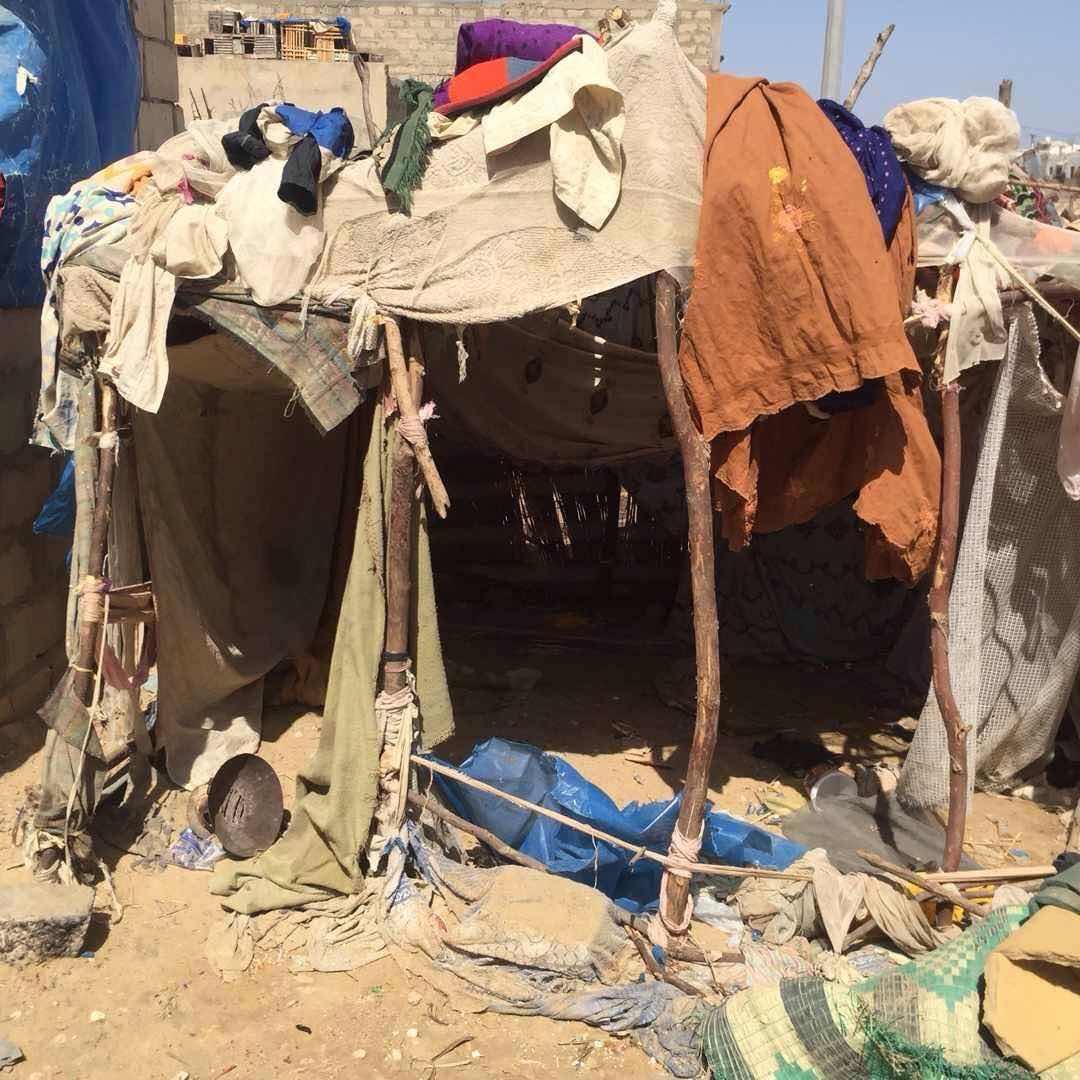
a daara Saint Louis, taken by talibé in transition, Elhage Diallo
a daara in Saint Louis, taken by talibé in transition, Elhage Diallo 

  Sulayman noted that all of the younger children were forced to beg for daily quotas of money. He only needed to beg or work for his own food.  None of the children, including himself were fed or offered any type of health care when needed. No one was sent to school. Sulayman did not like what he saw of how the children were treated.  He was taught the Quran during the day, but there was no place for him to sleep at night at the daara.  Sulayman spent the first three months sleeping on the street, in doorways of homes, getting little sleep as he needed to quickly move away when anyone entered or left the house where he was sheltering. He learned to ask for food from door to door to feed himself. Sulayman arrived from The Gambia with good clothes, but everything except what he was wearing was soon stolen in the daara.

Not too long after arriving in Saint Louis, Sulayman heard about Maison de la Gare and he made his way there. He saw the Maison de la Gare classes in session and he realized education could be the key for him. He spent as much time as he could at the centre, as life was much better there than on the streets or in the daara. He joined the karate program and earned his yellow belt.
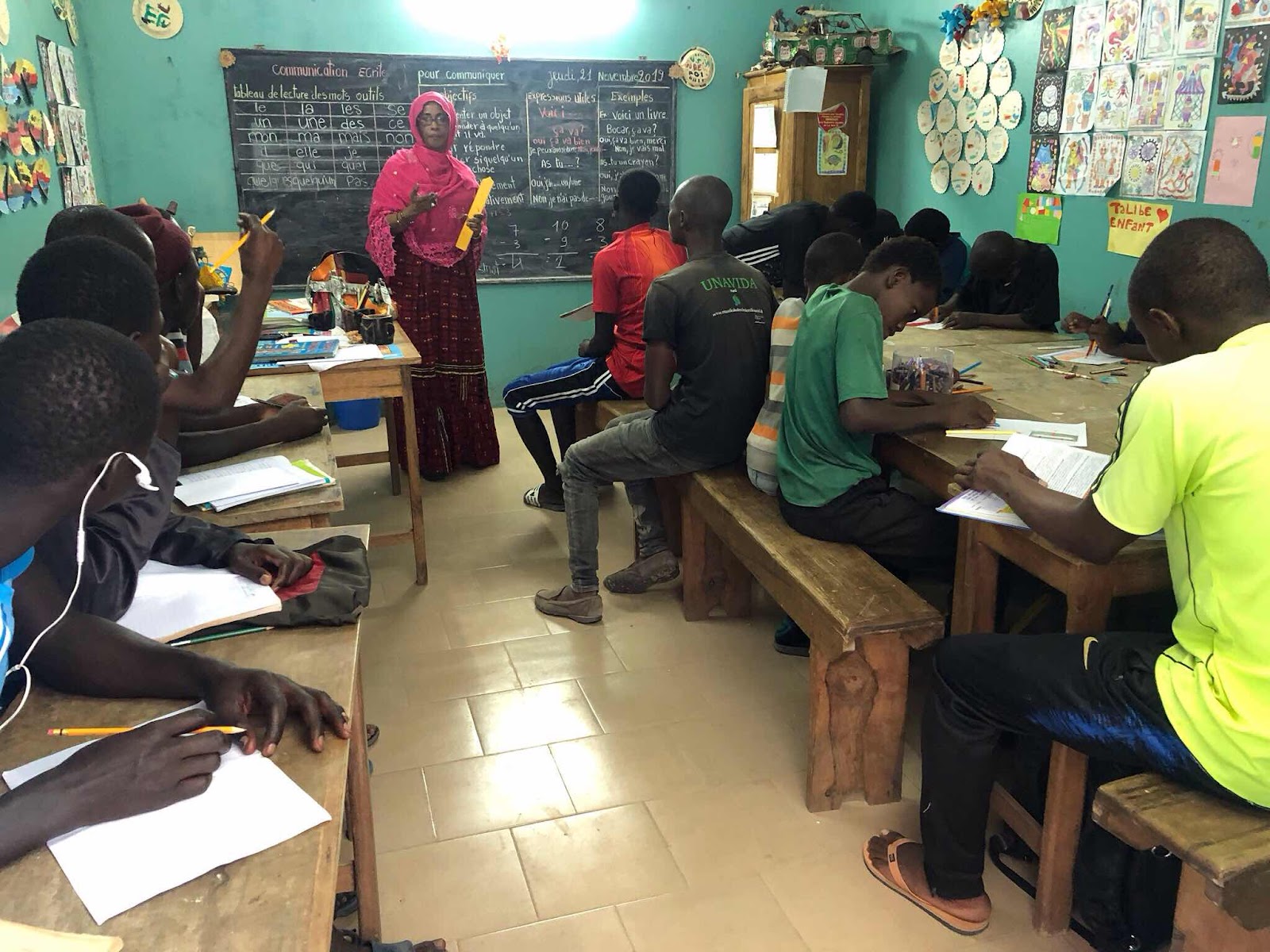
A Maison de la Gare classroom

After his first three months his marabout left for Casamance in the south of Senegal and Sulayman was able to sleep in the daara now, with more than 50 other boys. 

Sulayman was able to return to The Gambia to visit his family twice in 2015. After two and a half years living in the daara in Saint Louis Sulayman had had enough. He left, and from that time on has existed in Saint Louis by couch surfing with friends. Sometimes he would sleep at Maison de la Gare's emergency shelter. He spent as much of his time as he could improving his English and learning math, in Maison de la Gare's classes and in others offered by other associations. His goal was to learn enough that he would be able to someday be able to integrate into school in The Gambia. He supports himself working in the market helping to make cooking pots, operating the grinder to finish them. Sulayman earns enough money working to buy food. 

Some of the older talibés have given themselves knick names, which is how the international volunteers have come to know and address them. Sulayman has been going by the name of Alkaline. He is not quite sure why that particular name, but he likes it. Sometimes the names are chosen by a friend, sometimes they select them themselves. Perhaps in a world where the talibé are nearly invisible to society, this is one more way they can feel they are individual and in control.
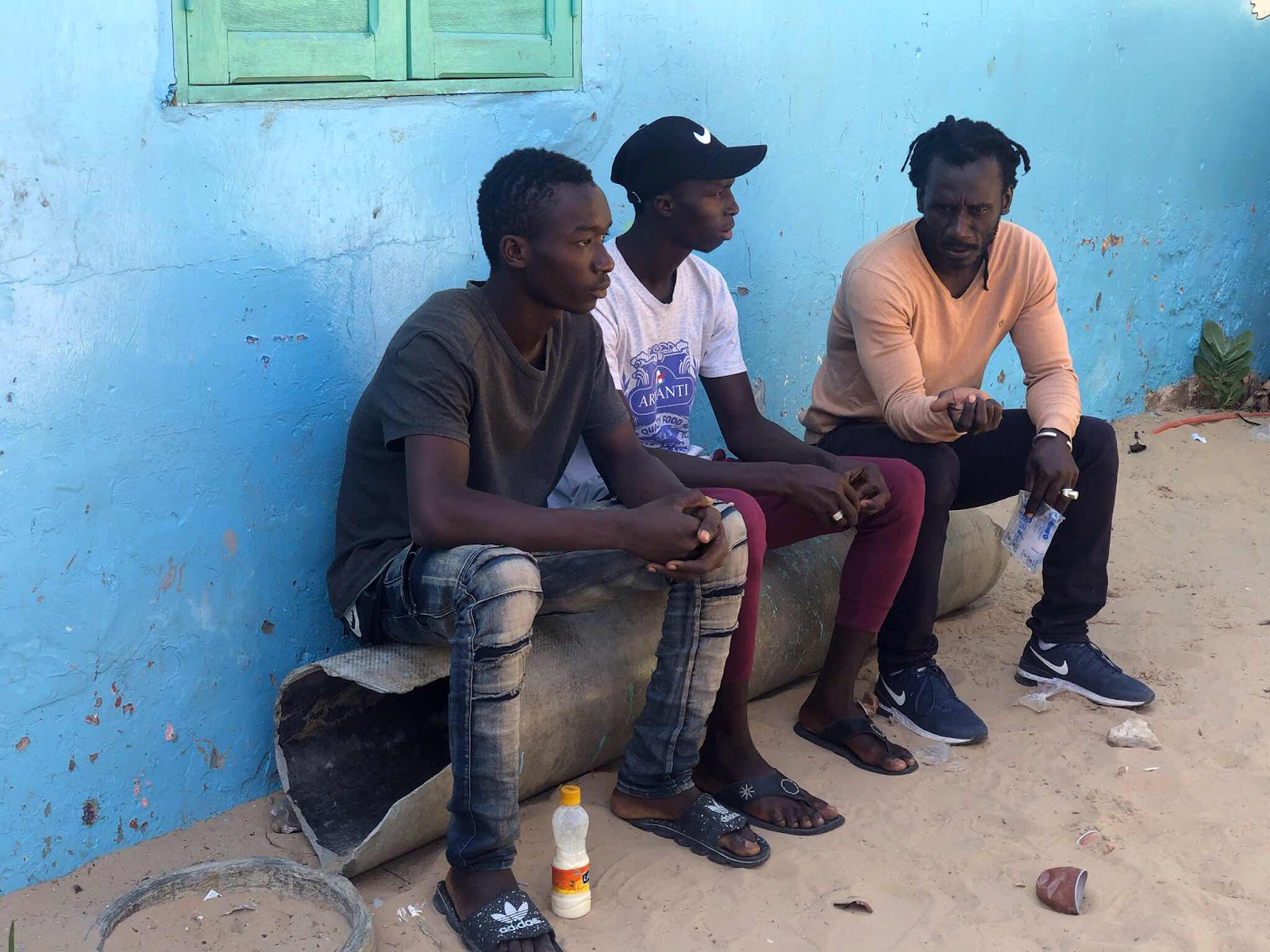
Tijan and Sulayman

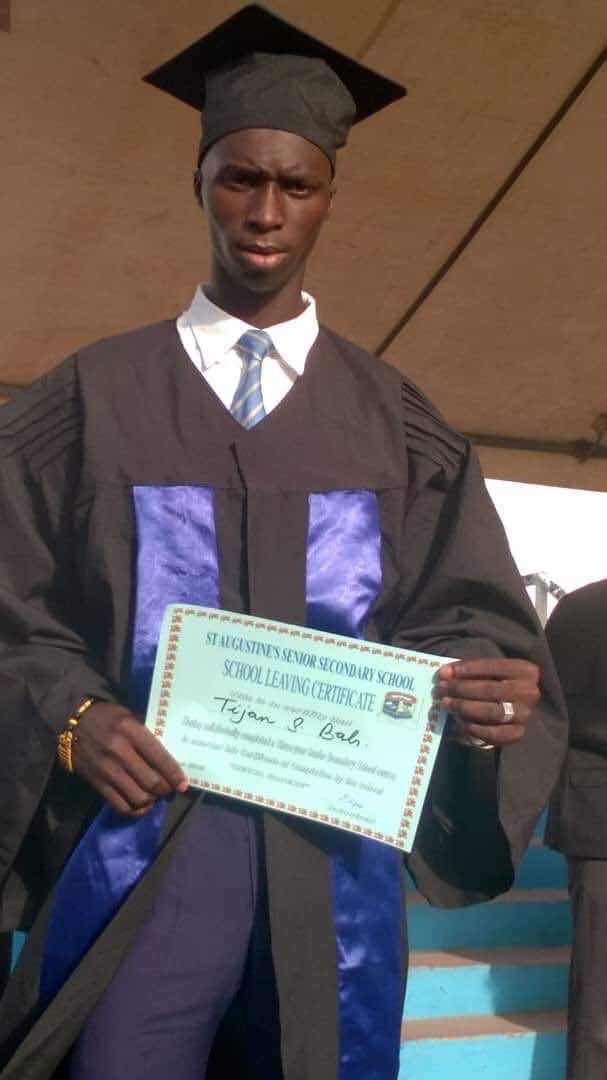
Since this summer Sulayman has been seriously considering the idea of returning to The Gambia to go to school. The lack of resources to pay school registration fees and the fear of the unknown has held him back. This week things changed when Tijan arrived in Saint Louis. Tijan had been a talibé who I first met about six years ago at Maison de la Gare, also from The Gambia. Tijan also had wanted nothing more than to become educated. About three years ago when I was in Saint Louis, Tijan confided that had been considering attempting to find his way to Europe, as he heard that minors who arrived there would be enrolled in school. We figured out how he could instead return to The Gambia where he had the right to go to school, but no practical means to do so. That was three years ago. This June Tijan graduated from high school and is now preparing to begin university, studying business and economics, in January. This week he had come to Saint Louis to see me and Robbie before starting university.
Tijan with his high school diploma

Sulayman, seeing Tijan's successful example, made up his mind that perhaps the seemingly impossible may be possible after all. The school he thinks he could go to is near his cousin's house. He is hoping to be able to stay with his cousin, eating two meals a day there. And, Tijan lives just 20 minutes away in case he needs help. A friend in Ottawa had given me some money for a person I perceived to be in need. I gave it to Sulayman to help him on his way. I gave him a school bag and some school supplies and set up an email account for him to ensure we could stay in touch.

The ongoing school fees will be a challenge. And, he is not sure his plan for living arrangements will be workable. But, he is full of hope and optimism. Sulayman is determined that his time is now. Before Tijan and Sulayman left, Issa, the President of Maison de la Gare, spoke with the two boys, offering advice. Sulayman also received much appreciated life advice and encouragement from Abdou, the head teacher at Maison de la Gare.
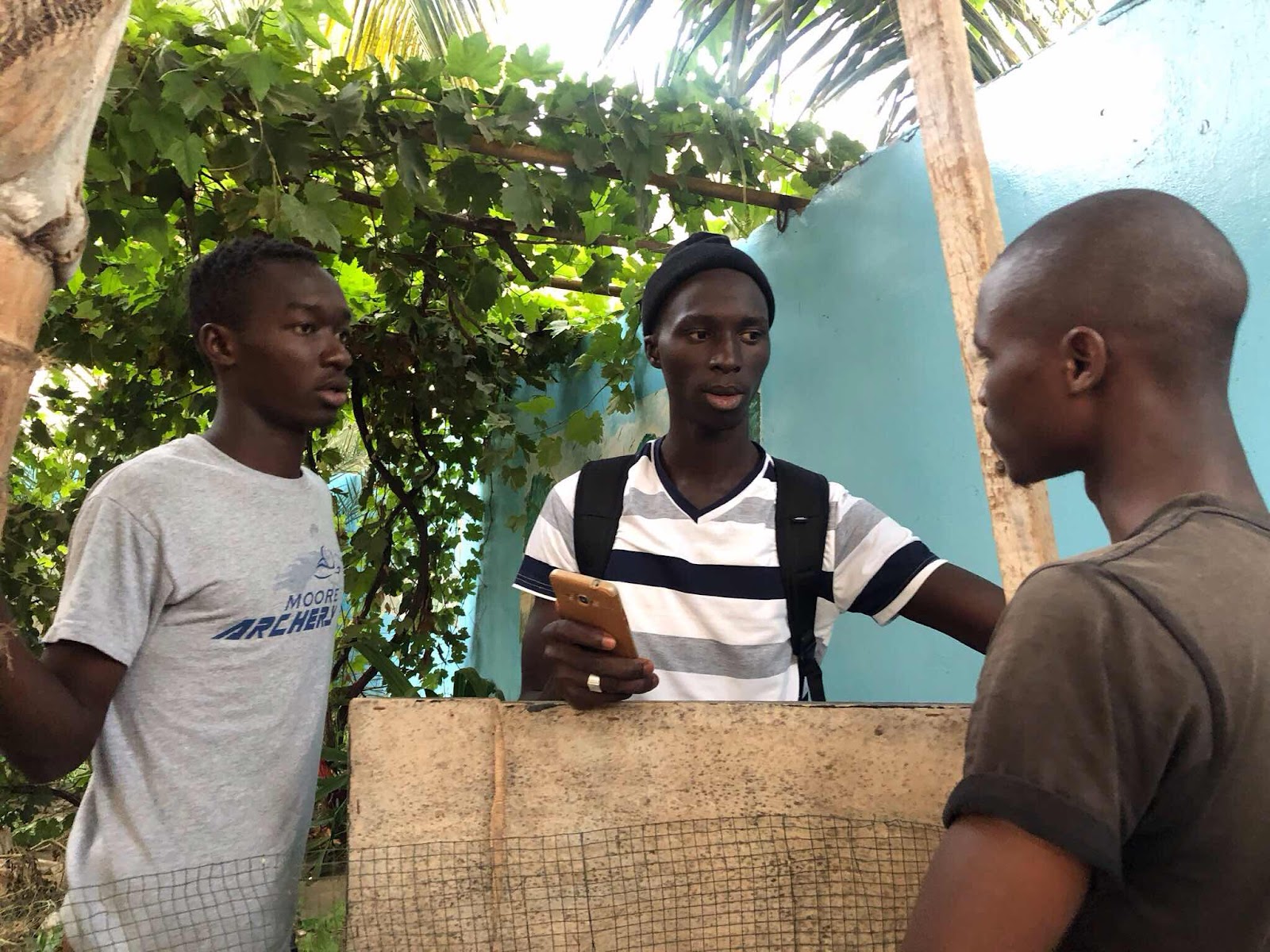
Issa Kouyate, President of MDG offering advise to Tijan and Sulayman

Tijan and Sulayman left Maison de la Gare together, excited about the future and we said goodbye.  Two days later I learned they had arrived in The Gambia. Sulayman has had a meeting with the director of his hoped for school. He can begin high school at the start of the next term, at the end of December despite his age of 21 years.  And, he has already found a math study group to join now to help prepare him for what lies ahead. And Tijan begins his university adventure in January. The future is looking bright.


Thursday, November 28, 2019

The Future is Bright in Saint Louis


Saturday night a very special family joined us for dinner. I had been looking forward to seeing Oumou's six beautiful children  again.  Many years ago, long before the youngest, Mohammed had been born, we had visited  their home when our friend Samir welcomed us as guests. 

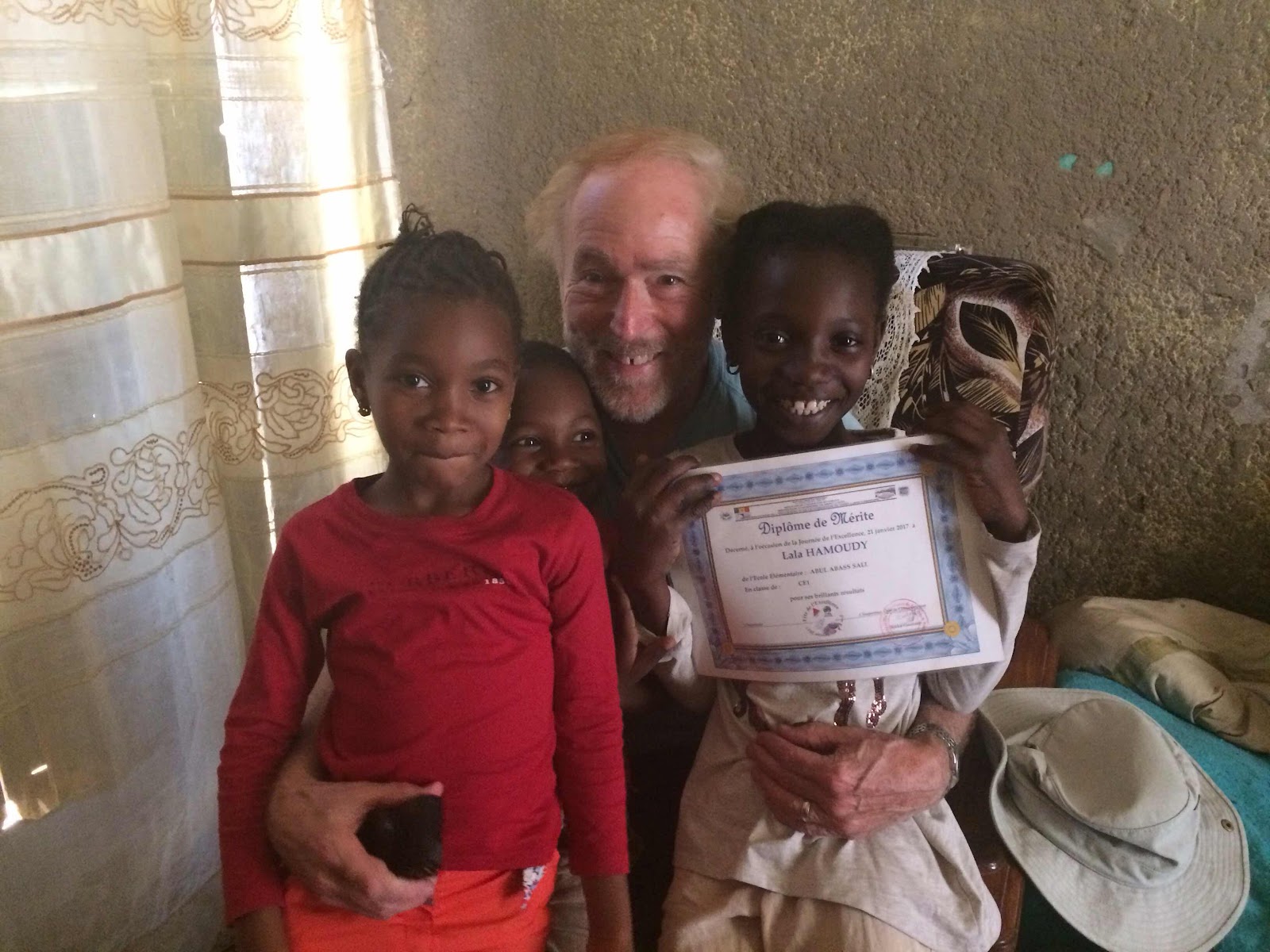
Samir had worked at our hotel in Saint Louis. He had been the first to welcome us on our very first trip. Each day I went for an early morning run around the island Samir would watch out for me. We had many talks about his pride for his children. The family was committed to the education of their children as their first priority. Lala is always at the top of her class, and Fadel usually is first or second in his. When ever we visited their home, all the children were proud to show us their exercise books and test results.


They chose to live in a very small, rudimentary two room house with a small sand courtyard in order to afford private school fees. Private school is not as what we would think of in Canada, but it does usually assure that the teachers show up and when they do that they do not spend much of their time on their smart phones. If one wants to advance to high school and succeed there, private school is nearly a necessity. It is not expensive, but for Samir, with fees to pay for three  children, it was a considerable burden. When the youngest at the time became old enough to be registered in school and Samir was not sure how he would cope, I began to help them out at registration time.

Two years ago Samir tragically passed away. His wife, Oumou, is not educated, and five of the children were under the age of twelve. The director of the school at first waived the fees for the older children. Due to their brilliance and promise, he did not want them to have to drop out of school. Extended family and Samir's former employer also helped out for a time. Working reselling charcoal and consumer goods, and cooking for neighbours, Oumou could earn enough to pay the rent or feed the family, but not both. Evntually the assistance trickled to a halt. Tragic stories such as this one are not uncommon here. Life, its hopes and dreams, can shatter in a heartbeat. Families adapt: children drop out of school, go to work, or the family breaks up to get parcelled out to live with and possibly serve distant relatives. This is the accepted way of things. 

But Oumou is different. She and Samir had sacrificed so much already for their children's' education. And, she is a fierce, determined mother with a will of steel.  She confided to me that her family would be separated over her dead body. So far, thanks to Oumou's perseverance and creativity and some help from Canada, all of her children continue to thrive in school and their happy family life persists, the children sheltered and protected lovingly by their mother from knowledge of the precariousness of their future.

Indeed, the optimism. and gratitude  in this family is almost shocking. When I presented the family with a Quran, gifted from a compassionate friend in Canada, Oumou was overwhelmed with happiness and expressed her belief that God has been so good to her family. So many in her situation would have a very different perspective.

The next afternoon, our dear friend Cheikh bounded joyfully to our hotel door to inform us of the birth of his second child. His wife was not due for several weeks yet and he had been anxiously preparing to return to his remote village in the bush. Their son came early, but both mother and child were healthy. Cheikh was over-whelmed with joy and gratitude, and hopes and dreams for his family.


 Cheikh works as a street-side cobbler in Saint Louis. And, just like Oumou,  he is the type of person who is optimistically willing to move mountains for his family and his community. From the example of Maison de la Gare Cheikh had the idea to build schools in the region of his village to offer local families  with little means an alternative to fulfil their wish to give their sons an education rather than send them to a daara in a distant city. The schools have become a Maison de la Gare supported pilot project to end forced begging. Most of the villages in the region have stopped sending their boys to the city to be talibés.  And, Chekh has found and returned many of the talibés from his area who were in Saint Louis back home. A happy effect of the schools is that now, for the first time,  girls are benefitting from an education  too, along side the boys.  Cheikh even thinks that with the return of young boys it will be less likely in future for girls to be  polygamously married off to older men. In fact, he is so optimistic for girls that Cheikh had hoped for a girl this time. But, of course he was just as grateful and over joyed to have another boy instead.

Despite the ever present reminder of the harshness of fate and the precariousness of happiness in the oppressive and abusive forced begging talibé system, optimism and ingenuity are alive and well in Saint Louis.


Saturday, March 23, 2019

Lala and the Beautiful Game


Lala sits under the shade of the bougainvilleas, talking to a little talibé. Lala is listening to him, giving him her full attention. She speaks a few encouraging words. He nods, she pats him on the shoulder and he runs off. 

Maison de la Gare is lucky to have one dedicated, long term volunteer, Lala Sene. Lala played soccer for Senegal's Women's National Team in 2006, 2009, and 2012. Soccer was her life, until 2017 when she received a career ending injury of a double fracture to her right foot.  Wanting to use her skills to help the forced begging talibé street children of her city, Saint Louis, she began to volunteer at Maison de la Gare, coaching the soccer-crazy talibés and organizing a weekly tournament at the centre. 


As Lala's injury healed and the talibé boys of Maison de la Gare captured her heart, she increased the frequency of her volunteering until she could be found at the centre everyday, helping to prepare the daily food or lend a hand wherever it is needed. The Thursday soccer tournaments continue, but frequent  informal pick-up games now also offer regular opportunities for the boys to receive coaching tips and the extra special attention that is so lacking in their lives.


Lala was born in Saint Louis, into a family of sixteen children. She began to play soccer at age six, with the boys in her neighbourhood.  Her father knew of her love of the beautiful game  and could see that she was always the best player on her teams.  He encouraged her to feed her passion and pursue her dream of playing professional soccer. When her father was on his death bed, he asked Lala's coach to watch over her and continue to encourage her, a wish which her coach has continued to honour. 

Lala's parents are both gone now. She lives in her family home with five of her sisters and three of her brothers. They support each other, and they encourage her in her devotion to the talibés, recognizing the importance of this work for her.


Lala is now completely devoted to the talibés. Her greatest worry is that if she falls sick, or even needs to take a few days away from Maison de a Gare, that the children will miss her. She says "If God is good, I will be able to remain at Maison de la Gare and help these children who trust and need me." She adds that the talibés are like her little brothers or her own children. It hurts her heart to be away from them. It touches her deeply when the talibés call her name out to her on the streets of Saint Louis.

It is Lala's greatest wish for the future to be able to continue to commit herself to the talibés boys of Maison de la Gare.

"I feed myself off of my love for the talibés and their love for me. I am one with them."
- Lala Sene


Sunday, March 17, 2019

A Time to Shine


Karate began for Maison de la Gare four years ago. The very first classes were offered to talibés who did not know the sport, or the language in which it was taught, or the thirteen year old Canadian boy teaching them. But, it looked fun, and it did not require shoes (which they did not have), and they got to wear clean white uniforms, so dozens of talibés decided to give it a try.


Today karate is respected and adored at Maison de la Gare. For some of the many dozens of talibé karateka karate has become a burning passion. For a few, they say karate has become to them life itself. The young Canadian who brought karate here has now been four times, and he is well known and his arrivals are highly anticipated. And, all the karateka now understand the language of karate, taking their instructions in the Japanese universally known in the karate world. 

The karate students knew a tournament  would be hosted for them at Maison de la Gare. This would be the third in two years, so they had an idea of what was in store. They were preparing at the centre during morning karate classes and also at the dojo during evening classes long before tournament day. A few days before the competition Sensei gave a motivational speech to the competitors, giving them advice on how to focus and comport themselves during the event, as well as to congratulate them on their perseverance, dedication and accomplishments to date.


The morning of the tournament, the kids began putting the mat together. But, unfortunately, as they began piecing the mat together from all four corners, it did not come together in the middle as expected (as could have been expected). As the WKF referees began to arrive, one directed the boys to take the mat apart and begin again from one side only. They were very appreciative of how neatly the mat pieces fit together after using this method. 

Before long the prizes, medals, and the Douvris Cup were displayed as motivation. The five referees were present and ready. Sensei was standing by, and the competitors were dressed, lined up and ready to go. Maison de la Gare was packed with talibés, staff and visitors anxious for the competition to begin.


The first division was kihon, for the younger group of students who train at the centre in the mornings. Over twenty competitors performed as requested. Or, what they thought was requested (the instructions were in Japanese after all). After each pair performed, a winner was chosen. Then the winners competed again. And again, until only the gold, silver bronze and runner up remained. The process was repeated for kata. Then medals were awarded, and prizes for the winners. Candy sticks were given to all the competitors. But it seemed that all of them felt like winners.


At 1:00pm the tournament was suspended so the invitees and referees could break for lunch and to pray. Some of the competitors returned to their daaras, some went out to the streets to beg, and some remained to hang out at Maison de la Gare. The tournament was scheduled to resume at 4:00pm.  

At 4:30pm the group began to assemble again. By 4:45 the dojo talibés, and the older kids who train in the mornings were dressed, lined up, and ready to compete. A surprise: The President of the WKF Senegalese Karate Federation was attending, a great honour! He was seated at the head table beside Sensei Ignety Ba The referees turned to salut him. Then they bowed to the karateka. The boys nervously bowed back to them. The afternoon battle for the Douvris Cup was ready to begin.


First Kihon, for the morning older kids. This was the first time competing, ever, for these boys, all white belts. They seemed surprised and delighted by the audience's applause.


Then, kata, for the dojo kids. Some white belts, some who has passed for yellow, but not yet been granted their belts (that would happen later during the competition), several orange belts, and a few greens. For the tournament however, they were all equal, wearing blue or red. One competitor, in particular, orange belt, Ahmadou Diallo, performed a particularly spectacular kata. The crowd burst into loud, sustained shouting and applause, astonished at his skill, much to Ahmadou's obvious joy.


Finally, kumite, As the boys were paired off and donned their protective gear, the anticipation in the air was palpable. What is it about competitive fighting that excites people this way? The referee started the first pair. As they began to spar, the crowd grew louder. At first laughing as punches missed or were blocked, then clapping and cheering as hits were made and points called. As the fights progressed, with the winners moving on to fight the winners, the skill displayed increased. The noise from the crowd grew ever louder with each successive pair. Finally, the fight for gold. Veteran competitor Souleymane won the match, his roundhouse kick to the head his special weapon. But, one more fight remained, Ahmadou was fighting for third place. Although he did not realize it, he was fighting for the Grand Championship. If he placed third, he would win the Douvris Cup, having won Gold in kata. As the clock ticked down, Ahmadou received a blow to the face that required a call for the medic. After the all clear, he insisted on continuing. One more point was scored: Ahmadou!

The medals were awarded. Then, it was time for the Douvris Cup winner to be revealed. All the competitors who placed made sure their medals were visible to the judges, thinking to influence the decision. Then,,,"Et le Grand Champion de la Coupe Douvris est Ahmadou Diallo!" The crown went wild for him, he lept up, beaming with happiness and pride as he accepted his prizes and congratulations. 


Then, a ceremony to award the yellow belts earned the previous week. The President of the Federation awarded the first yellow belt, a wonderful honour, and an important recognition and vote of confidence in the Maison de la Gare talibé karate initiative. The founder of the program, Robbie Hughes, tied the belts on each successful grader, in turn. Many of the karateka thanked him, bowed, hugged him, and wanted their pictures taken with the young Canadian, crediting him with their opportunity to practice karate, make it their own. If only these boys could truly know how their strength, passion, and perseverance in the face of unimaginable obstacles, in turn, inspires Robbie.


This glorious day for the talibés, competitors and guests alike, will not be forgotten. As for the medalists, heroes forever!
u


Monday, March 11, 2019

A Whirlwind of Action


 My husband, Robin and my brother, Mike had a plan. Maintenance and repairs would be their project for the week, in addition to teaching some key MDG members how to continue with the maintenance ongoing. There is no money in the budget available for hiring outside repair people, so maintenance self-sufficiency is a new objecticve. 

Mike arrived at the Maison de la Gare Centre just in advance of our departure from Canada. He toured the facility with Issa, the President of MDG, assessing the situation and tools on hand and making a list of priorities and required tools. It is astonishing how many things get broken and damaged at a centre designed to make hundreds of talibés feel safe and free to play and behave like children. Electrical covers get picked off walls, lights smashed by errant soccer balls, wires ripped out of sockets to be used as ties, screen picked through by little fingers, garbage buried in the sand, paint chipped at by tiny finger nails, toilets clogged and destroyed, tiles cracked by kids playing with rocks... the list of ongoing devastation is endless. Mike sent the list home to Robin who headed out to Canadian Tire just a few hours before our flight in order to fill the tool box with the right supplies, then the full tool box was packed at the last minute. As soon as we arrived at MDG the tool box came out and Mike and Robin hit the market with Elhage to assist them in search of the rest of the required materials: A few pick axes, rolls of wire mesh and screen, plumbing supplies, toilet seats, paint and thinner, buckets and brushes, a saw, and a step ladder. 


Robin set Robbie and Alicia up to sand and prepare and then paint the metal railing in the Dortoir d'Urgence. Then he worked on other chores, showing MDG members how to use various tools in the garden, and then began preparing the walls for painting.  Mike set to reparing the broken light fixtures, and in some cases just replacing light bulbs. Then he set to repairing the broken toilets. This afternoon Mike will begin to replace all the torn screens on the upper and classroom windows.

Now with the eight foot step ladder on hand, all kinds of chores are within reach- trimming back the bouganvillea, replacing burned out lights, repairing screen when it is torn, and cutting back the deadwood of the grape vines. Elhage and Mohamed soon joined in the work, using a sheet of screen to begin to filter the stones, bits of garbage and thorns from the sand. Issa joined in, shovelling scoop after scoop of sand through the makeshift filter. The sand is becoming as good as new. We will not need to buy another load of fresh sand afterall. Karate will be much more comfortable at MDG, with fewer worries about the Senegalese equivalent of stepping on a lego brick in bare feet. 


Lala, Ibrahima and others grabbed shovels and pick axes to remove roots and overgrown bushes from the flower beds. Fresh earth and plants will be brought in and planted from MDG's cultivation gardens at Bango. Canadian volunteer, Matt helped rake up and haul out the collected debris, whelebarrow losd after load. Others cut the dead branches off fruit trees and trimmed them back and limbed up the coconuts, creating more room for a shady garden retreat and for fruit to grow.


Did I mention this all happened on our first full day at the centre together?

I discussed with Lala the possibility of moving the regular Thursday soccer tournament offsite this week to allow Robin time to properly repair and paint the outer classroom wall, as it usually factors prominently as a target during soccer games (thus the broken light fixtures and windows, and pocked walls). Lala is a local Senegalese soccer player who volunteers with the talibés as a coach and organizer. Relocating the game will give Robin a few more days to properly patch' and repair the walls prior to painting. Knowing how big the paint job will be he did not return to the island for a break and late lunch with the rest of us, he decided instead to work right through, profiting from each available hour.

As Issa saw just how much can be accomplished in a short period of time when so many people pitch in with the help of just a bit of direction and the right tools, he was inspired to reconsider and lengthen his repair list for Mike, and expand the painting list for Robin. 

Everything should be freshly painted, repaired, planted, and the sand freshly groomed in time for the karate tournament to be held on Friday. The repair crew will make sure of it. Besides, they can rest later, on the flight home

a talibé who prefered to watch all the industry from his  lounge chair