Followers

Showing posts with label talibé. Show all posts

Wednesday, June 22, 2022

Saint Louis - de retourne


The sky is clear and the sun is hot. There is no sign of the violent storm we drove through last night enroute to Saint Louis. Word has spread that we have arrived and more friends have appeared to greet us. 


The pandemic has been so difficult for so many here. So many jobs lost, then later regained, but at diminished hours and wages. People understand, and belts tighten. The many who rely on tourists for their livelihoods are still waiting for things to improve. How they have found a way to make ends meet these past years is a mystery. 


As we walk through the streets, I hear my name called out many times in greeting. It seems to be well understood that we are here for the talibés, and not as tourists. 


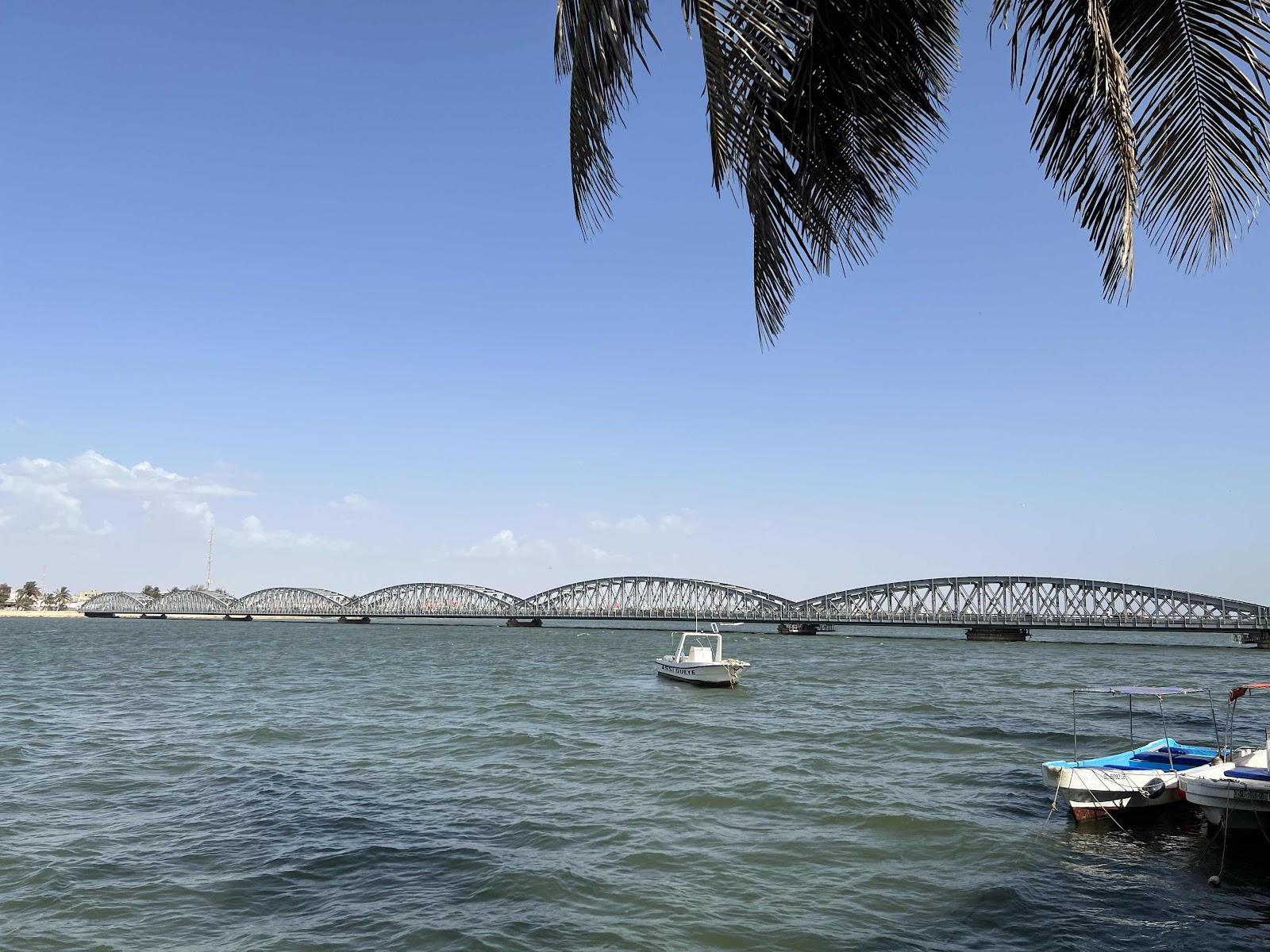
But, there seem to be fewer people on the island than I remember. I wonder how many have left the city to return to families elsewhere, due to the high prices and lack of work. The Pont Faidherbe has far less foot traffic traffic than I remember. The city is definitely quieter. More subdued. Waiting for things to be better. Waiting for the city to wake. 
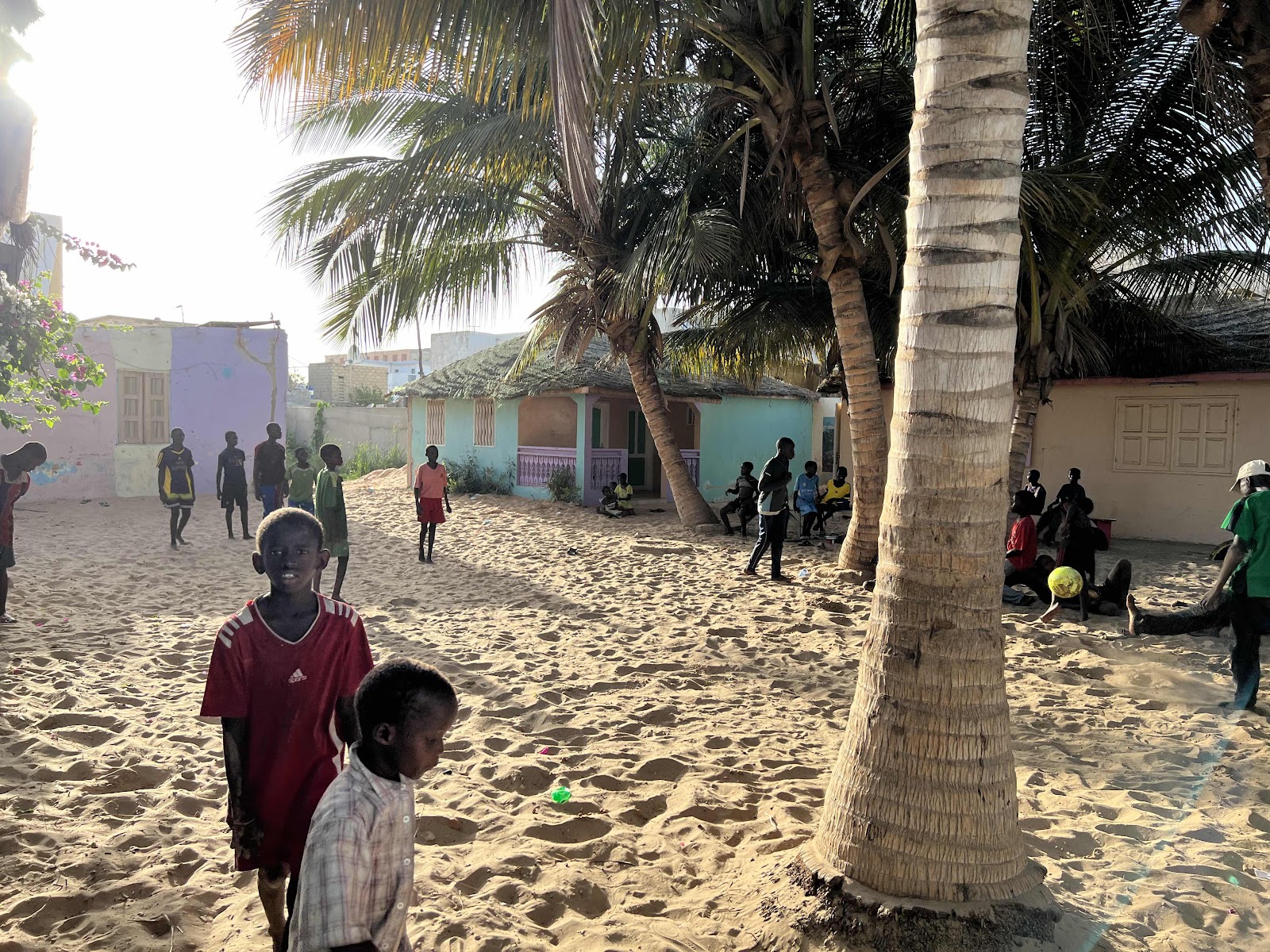


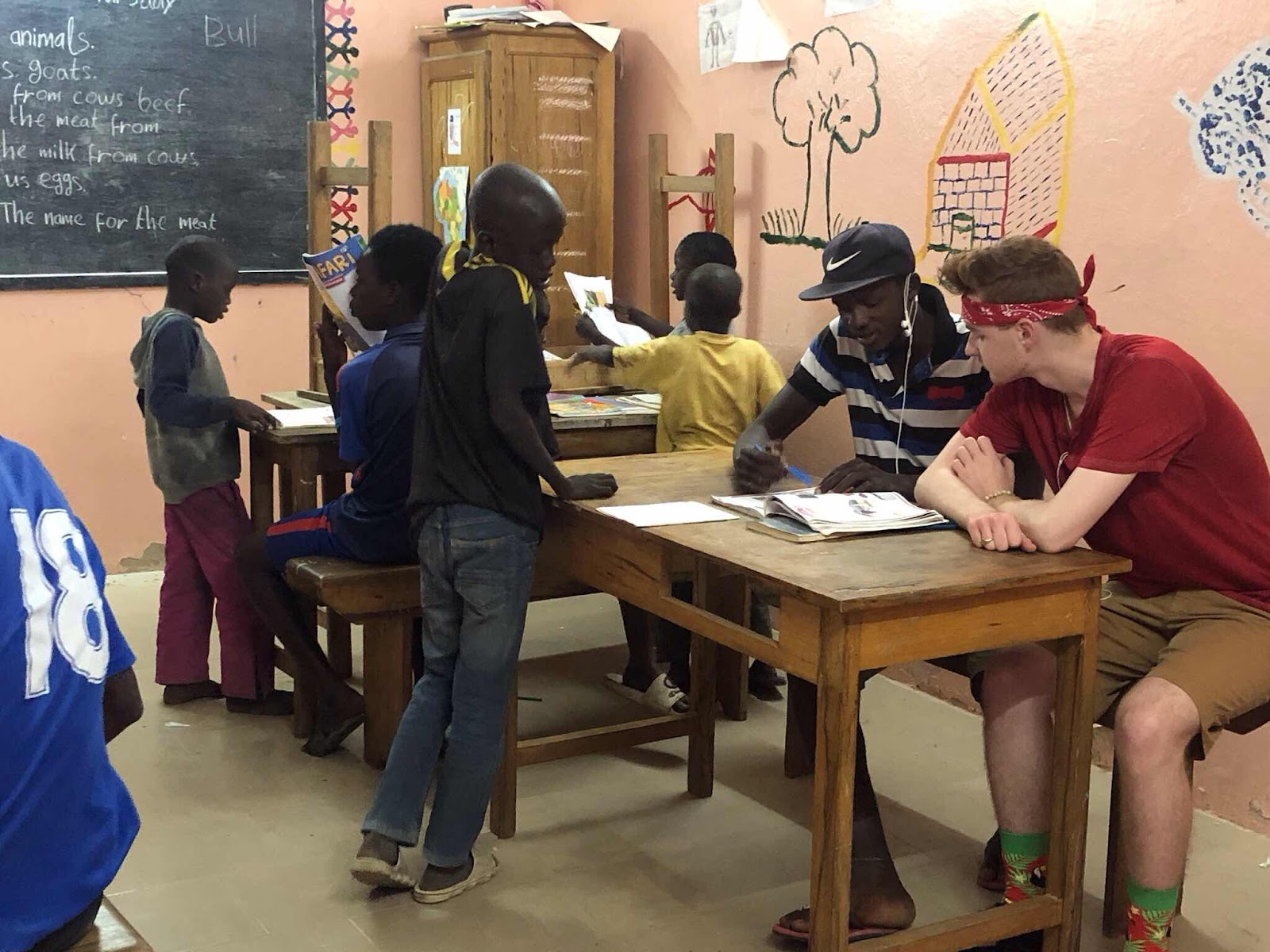
In the afternoon we make our way to Maison de la Gare. Sor is definitely busier. This is a place for locals. This is closer to what we remember. At the center a pick-up game of futbol is underway. Kalidou is teaching an english class. As Rowan and I meet with Issa and Boubacar Robbie leads a game of tag with the kids. Then he helps Lala prepare and hand out the evening meal. 


At 8pm we are surprised by a great noise. I wonder if the rain has come to Saint Louis. But no, it is a planned “symphony of Cassoroles”. it seems much of the city has come out to bang their pots tonight in protest of the President of Senegal in advance of the upcoming election. it lasts 10 minutes, then normal night sounds resume. On the way back to the island we are passed by a hoard of protesters who had been banging their pots near the government buildings, still banging and chanting. Then quiet once more.


One young man we encountered, an old friend, was excited about the protest, and showed me his identity card as evidence he could and would vote. Others shake their heads… “la politic”…It seems July 31, election day, may prove to be interesting.


We learned that one of Robbie’s karate protégés, Abdou, succeeded with his first belt grading. This was announced with so much pride. The other three will get the chance to grade next time, Insha’Allah. We cannot wait to see them and practice together at the dojo. 


The talibé karateka will come to the center for class tomorrow morning. But, we have learned, and they have yet to learn that classes tomorrow will be postponed. Instead a nationally televised presentation will take place highlighting terrible conditions in the daaras, and training for how to help improve conditions to stop the spread of disease. Karate will have to wait until Friday.


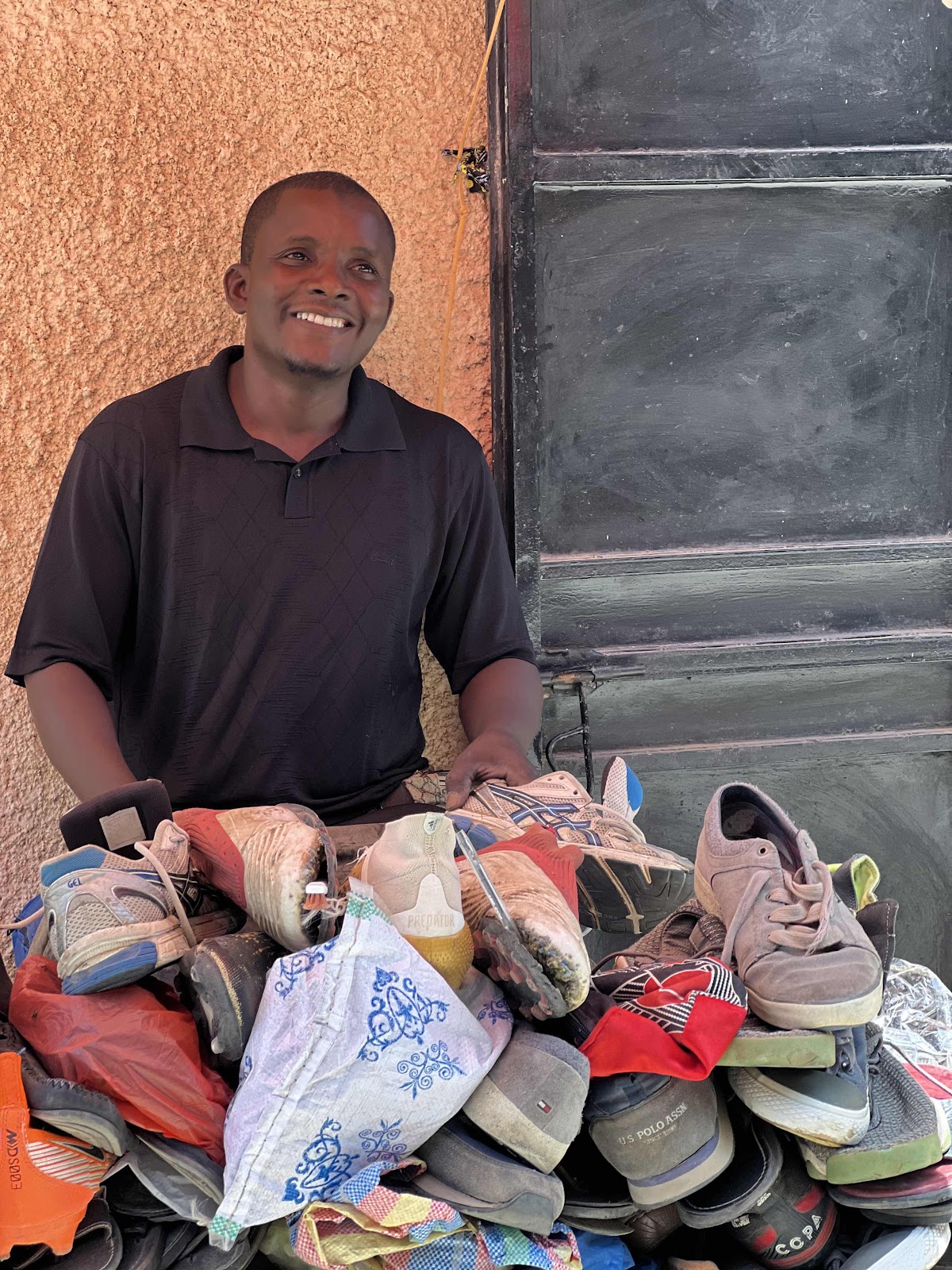
As we were were about to call it a night, a soft knock on the door. We stayed up until well past midnight talking with our friend Cheikh. He is a local cobbler who has committed himself in his own way, and in so doing has involved us and Maison de la Gare, toward ending forced begging in Senegal, of talibés from the region of his village of origin. His project has become a great success. But with every success, new stories come to light, with issues to solve. This is a big one. Too much to write about tonight. I doubt I will sleep tonight


Sunday, November 24, 2019

A Time to Shine


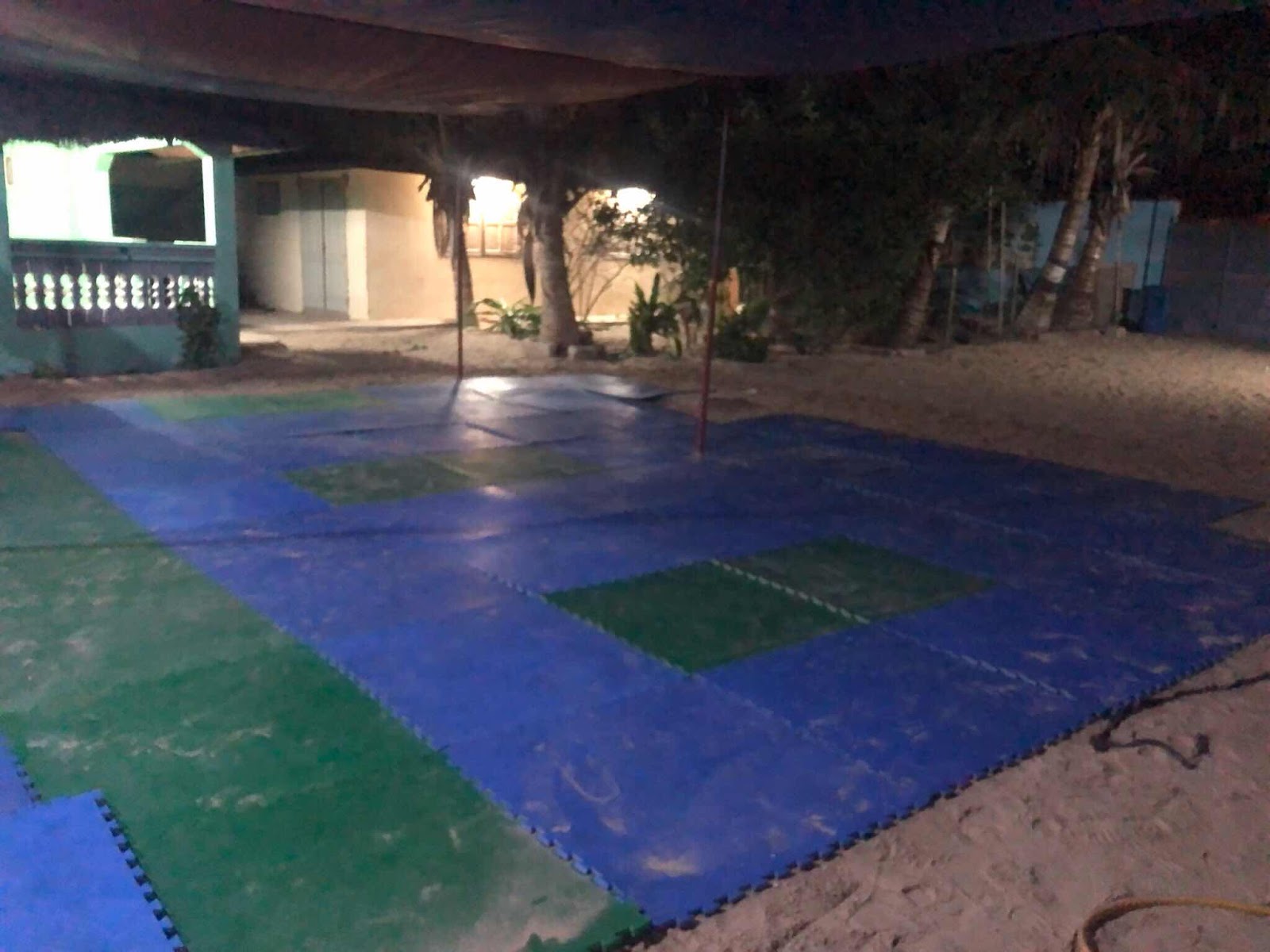
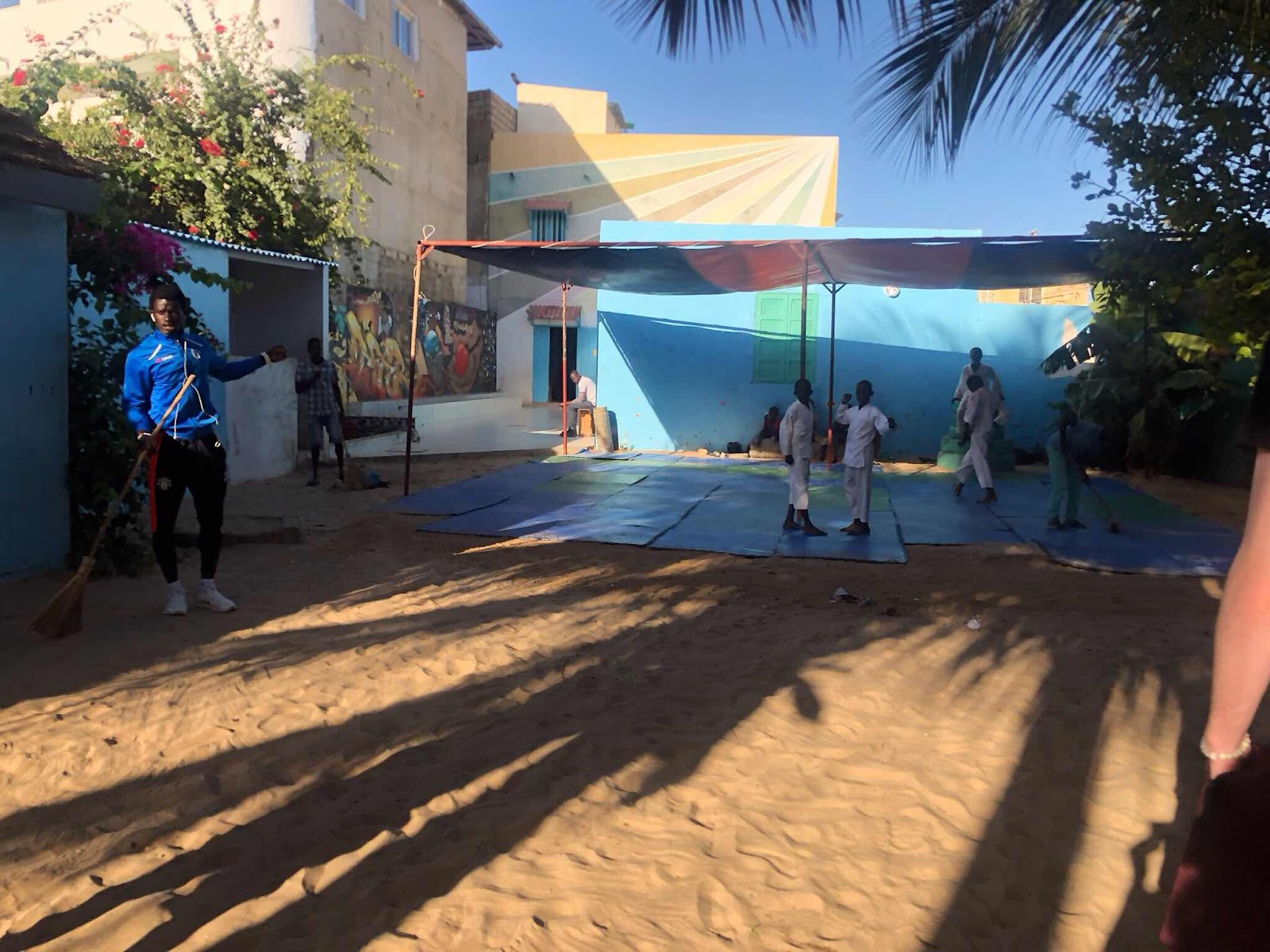
As the sun set before tournament day the Maison de la Gare-Sor karate kids set up the mats in preparation for the highly anticipated third Douvris Cup Classic. They had been delivered earlier that evening by horse drawn cart. Bouaro and I had compiled the lists of competitors earlier in the day, of the first four divisions planned for the morning. 20 young kids, white and yellow belts for kata and kihon. And, 11 older white belts also for kata and kihon. We were not sure who would be competing in the afternoon kata and kumite from among the more advanced dojo kids, and would need to wait to see who presented themselves to register. Bouro estimated perhaps 15.


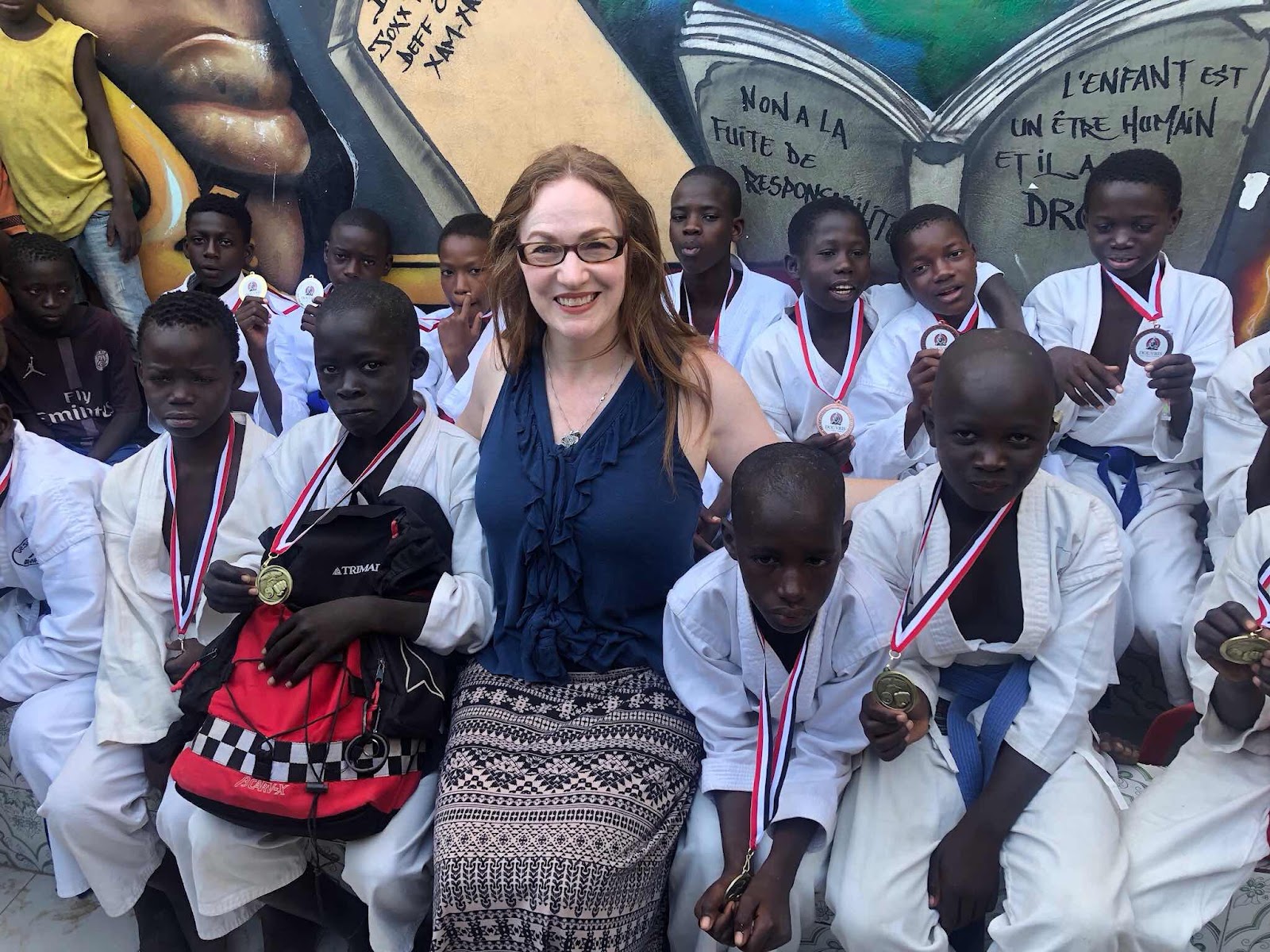
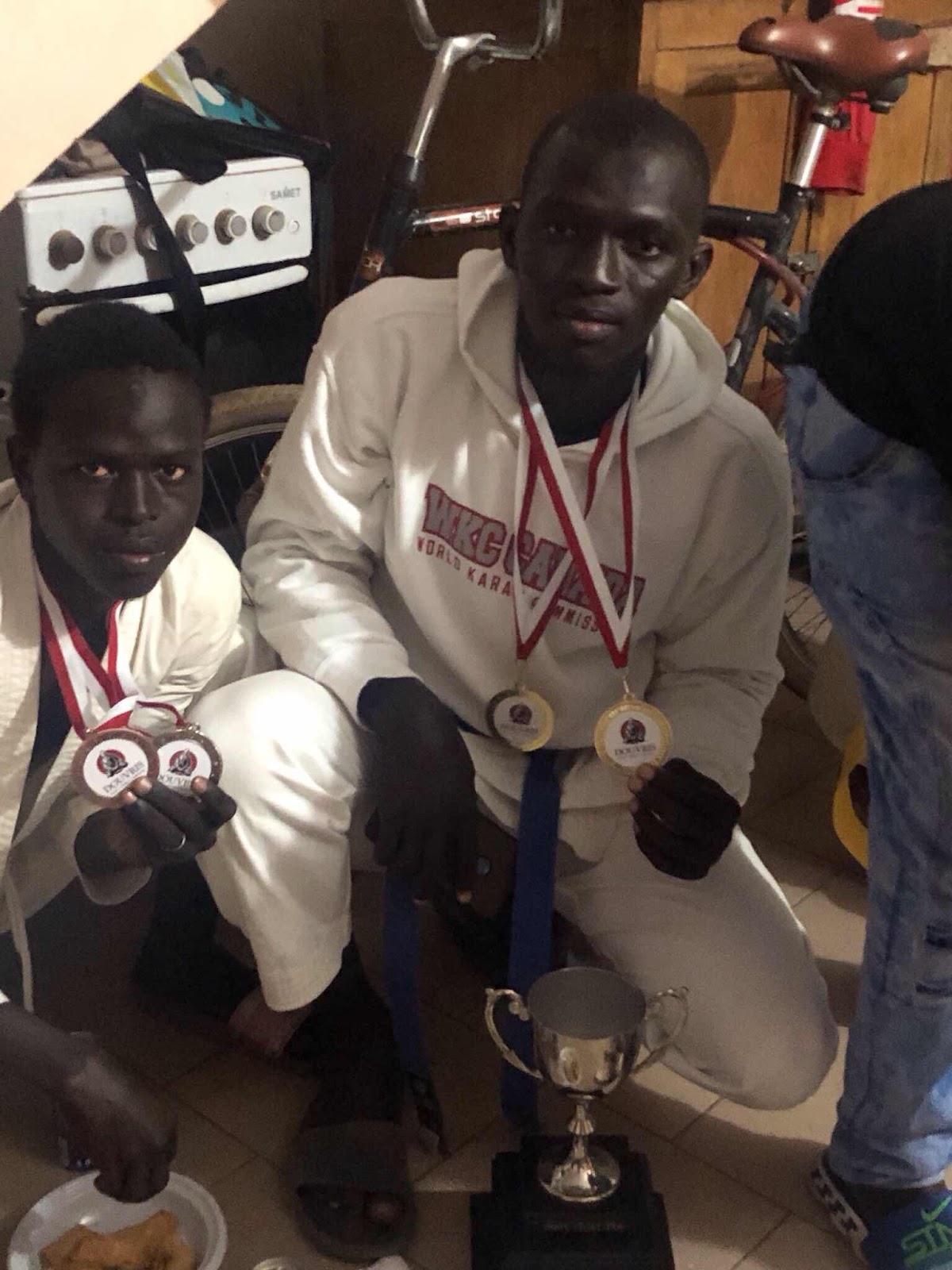
Douvris Martial Arts in Ottawa had donated enough medals for all the participants. And, I had brought with me the names engraved on plaques of the previous Douvris Cup winners to add to the trophies. Robbie's final two WKC Championship sweaters would be given as Grand Championship prizes, and Douvris t-shirts for the runners up. 


As the sun rose on tournament day I could almost feel the nervous excitement of all those talibé boys. About half of them had competed in previous Douvris Cup Classics. For the rest, it would their first time ever being in a positive spotlight, with an opportunity to shine and be rewarded for it. To show they are individuals with the ability to persevere and excel at an activity of their own choosing, based on their own hard work and determination. For the gold medalists and 2 grand champions, true glory awaited.

Robbie and I arrived at the center around 8:30am. The person with the keys to the room where the gis are kept and the classroom where the tables and benches were had not yet arrived. The kids set to compete in the first divisions were present and were busy sweeping sand off the mats and setting up a tent in anticipation of the full burning sun later in the day. 

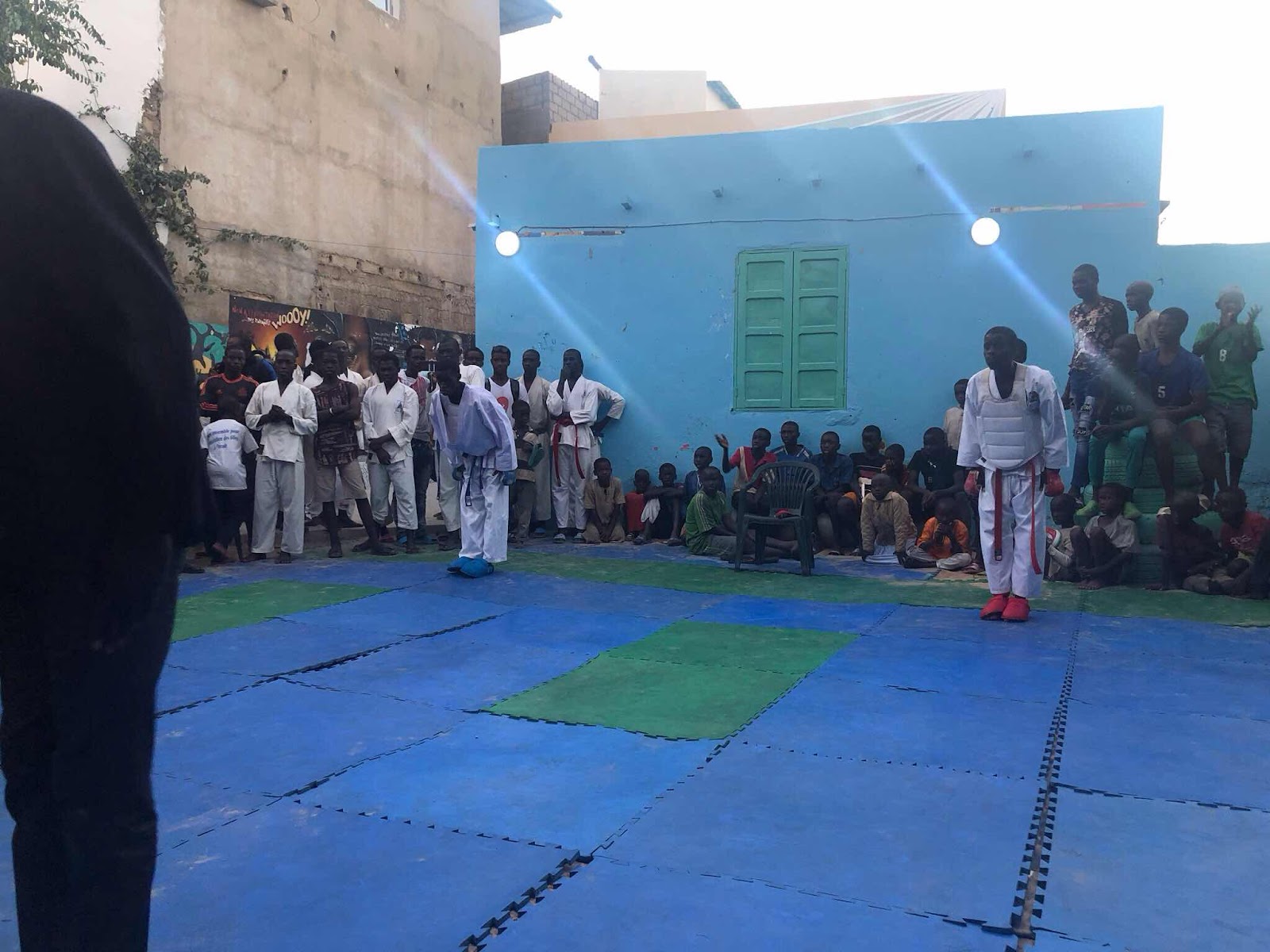
Eventually the keys were found. As the boys donned their gis, Robbie and I set up the prize tables and laid out the medals and the Douvris Young Guns Cup. The Douvris Cup for the older dojo kids was in Dakar, where the previous two time winner, Ahmadou Diallo had proudly taken it to his family. I knew there would be a chance he had not yet returned it so we brought a temporary stand-in trophy donated from a Douvris student to replace it. Talibés helped set up benches for spectators, happy to be part of what was about to happen. The WKF sanctioned referees began to arrive, professionally sporting suits and ties. The chairs were delivered in the nick of time, a referee was positioned in each corner. Sensei Ignéty Bâ of Sor Karate presided at the head table, score sheets ready. The referees bowed in the competitors. The first pair of kihon competitors was ready to begin.


As each person stepped on the mat for his turn to compete, their expressions ranged from palpable excitement to anxious anticipation to deep, focused concentration to steely determination. The kihon instructions were called out in Japanese. All the boys correctly recognized the instructions. None mixed up soto-uki with uchi-uki or oisuki with jatsuki. Each time the flags were raised, either blue or red, the expressions changed: in each pair one deflated and the other became exuberant.

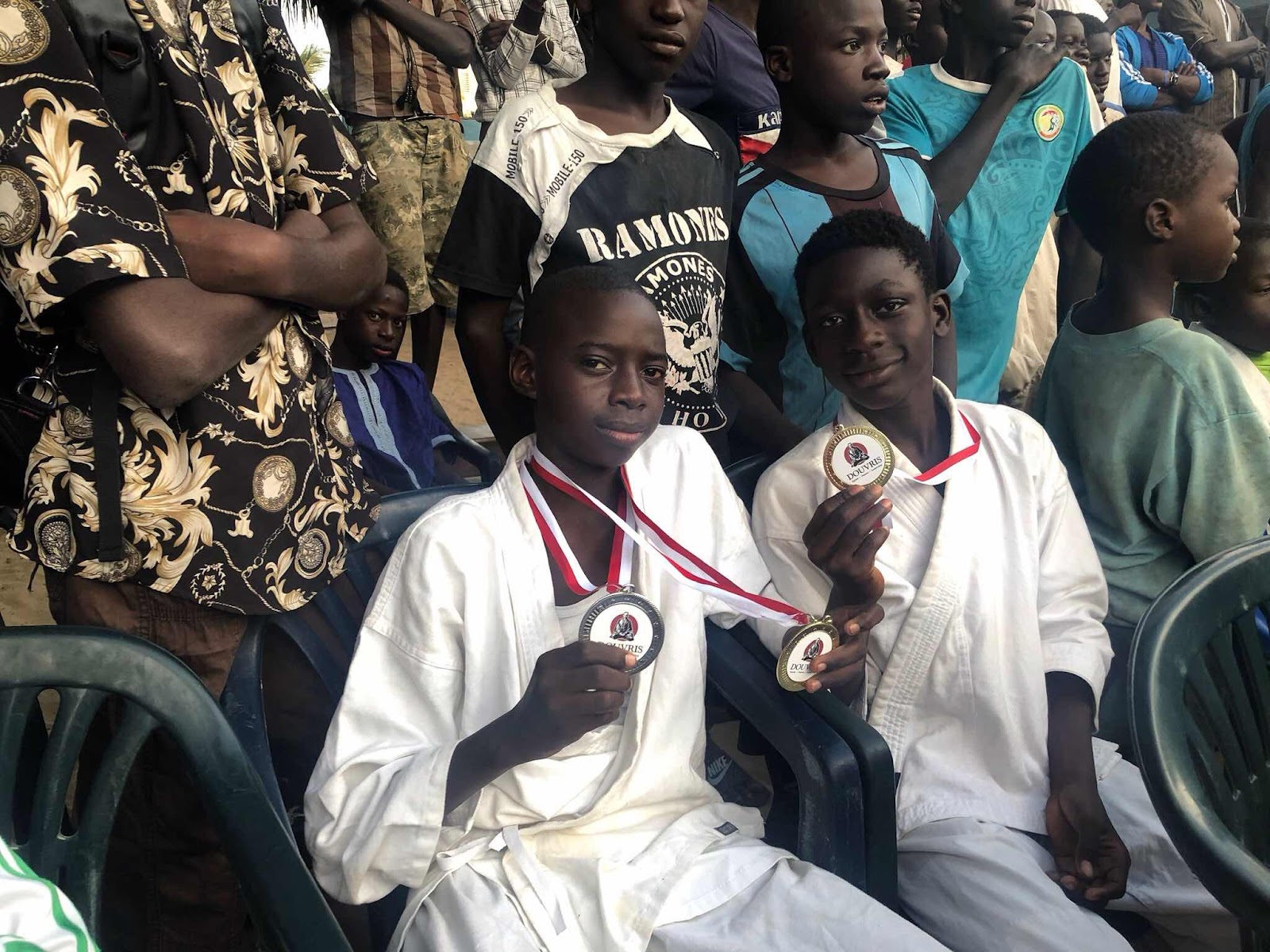
Eventually fourth, third, second and first were determined. Then, the process was repeated for kata. At the end of the first two divisions we awarded the placing and participation medals. But, the presentation of the Douvris Young Guns Cup would have to wait. The next two divisions of Young Guns, the older white belts who practice at the Center in the morning (and are not registered in the dojo at night) were not all present. Apparently some had been told they would not be competing until the afternoon or had responsibilities at their daaras they could not escape. So, we broke for a mid-day break and prayers (Friday is the day most visit the mosqué). 

Ahmadou Diallo arrived to watch the tournament (without the Douvris Cup). Upon presenting himself to Sensei Ignéty Bâ, Sensei insisted he compete. Ahmadou had not prepared diligently to his own high standard and had already decided not to attempt to defend his title. But, out of respect for his Sensei, Ahmadou put on his gi and prepared himself to compete for the third time. Robbie took Ahmadou aside to help him warm up and advise him on his kata choice and execution. After a few run throughs and adjustments, Ahmadou's confidence and determination seemed to have been restored and he was ready.

At 4 pm we reconvened. The second two divisions of Young Guns were dressed and ready to go. 9 of the anticipated competitors competed. Maybe the nerve of the other two had failed. Maybe their marabouts had detained them, it was impossible to know. 

I was astonished at the skill and focus of these white belts. This competition clearly meant so much to them. During the competition for third and fourth place one of the missing karateka presented himself, out of breath. His marabout had given him many jobs to do and he had not been able to get away until completing his extra assigned labour. Unfortunately, at this late hour there was no way to fit him in. He would have to continue dreaming of his next opportunity for now.


The same candidate won gold for kihon and kata. He would be the Grand Champion of the Young Guns, supplanting the morning winner of one gold and one silver. But, none of them realized this yet. First, the two divisions of dojo kids would have to compete.


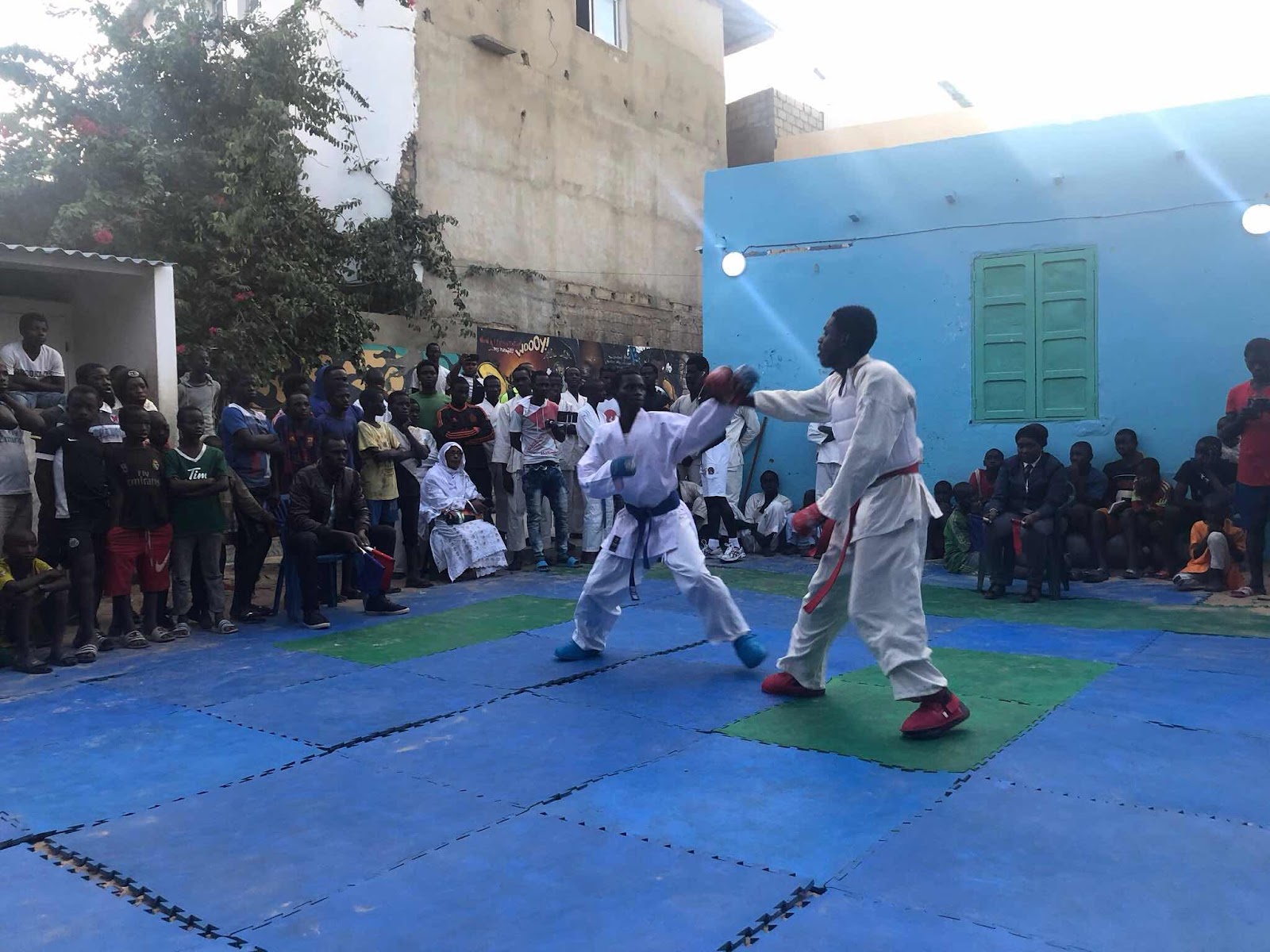
There were 17 dojo talibés competing. The katas were beautiful to watch, each one a triumph to me. After the finalists were determined we moved onto kumité. By this time the crowd of spectators had grown to several hundred. The cheers that accompanied every hit were sometimes deafening. For both the kata and kumité finals it came down to Yaya and and Ahmadou. Yaya, whose membership has been sponsored by Douvris Barrhaven since nearly the beginning, has devoted himself to karate and he had markedly improved since the last Douvris Cup Classic. Yaya won gold in kumité and Ahmadou won gold in kata. Once again, the competitors would have to await the presentation of The Douvris Cup to know who the Grand Champion would be.

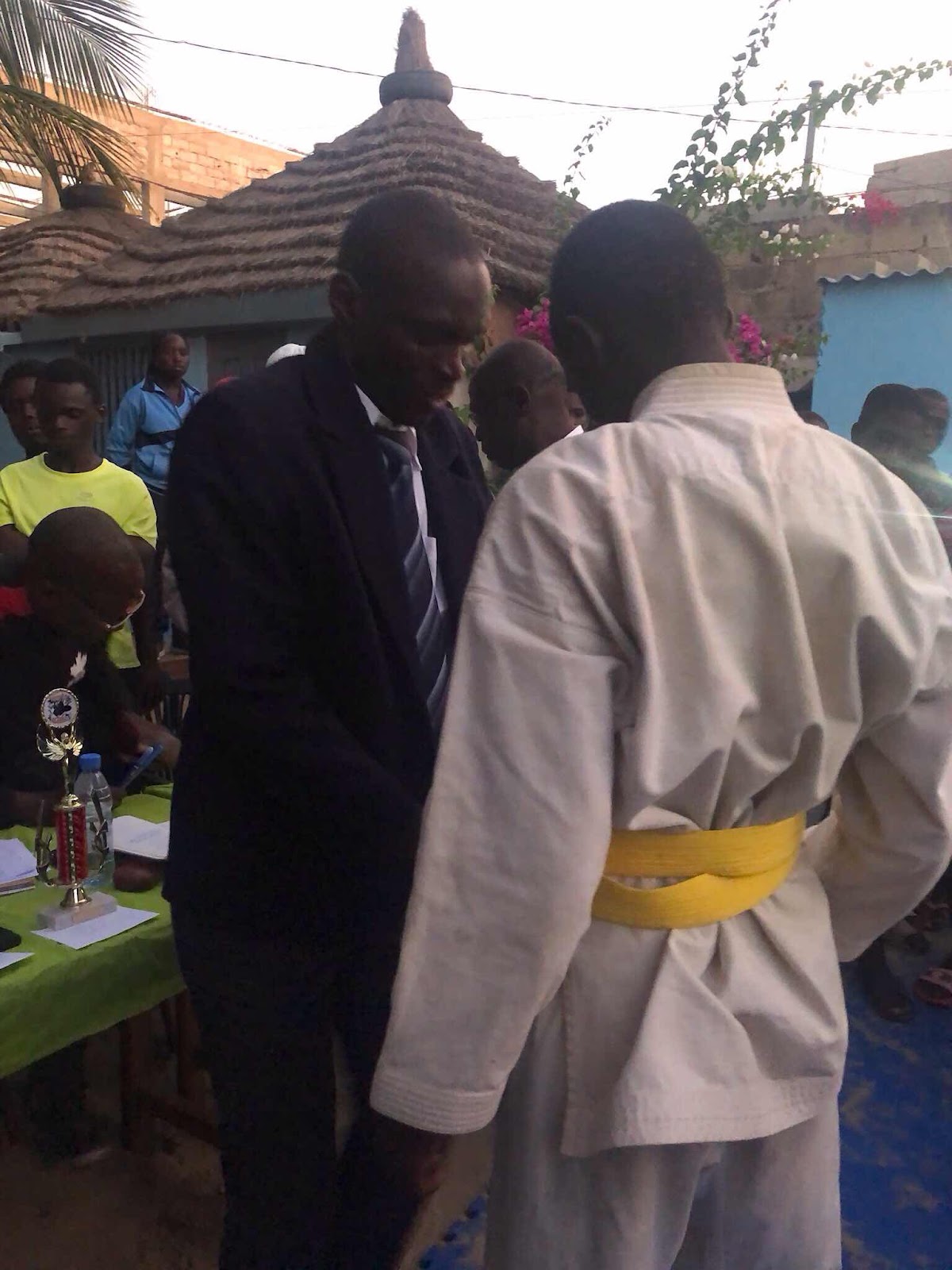
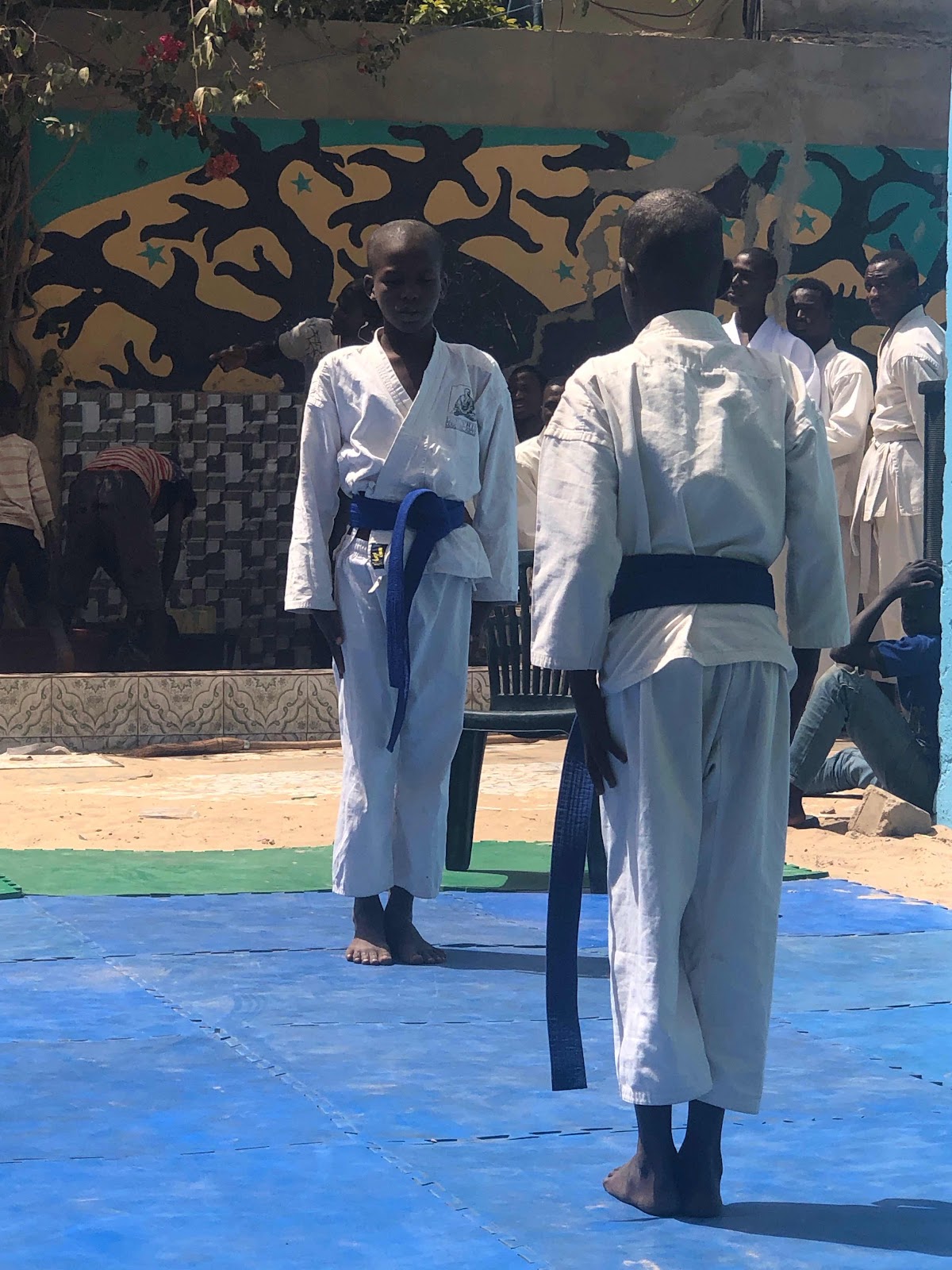
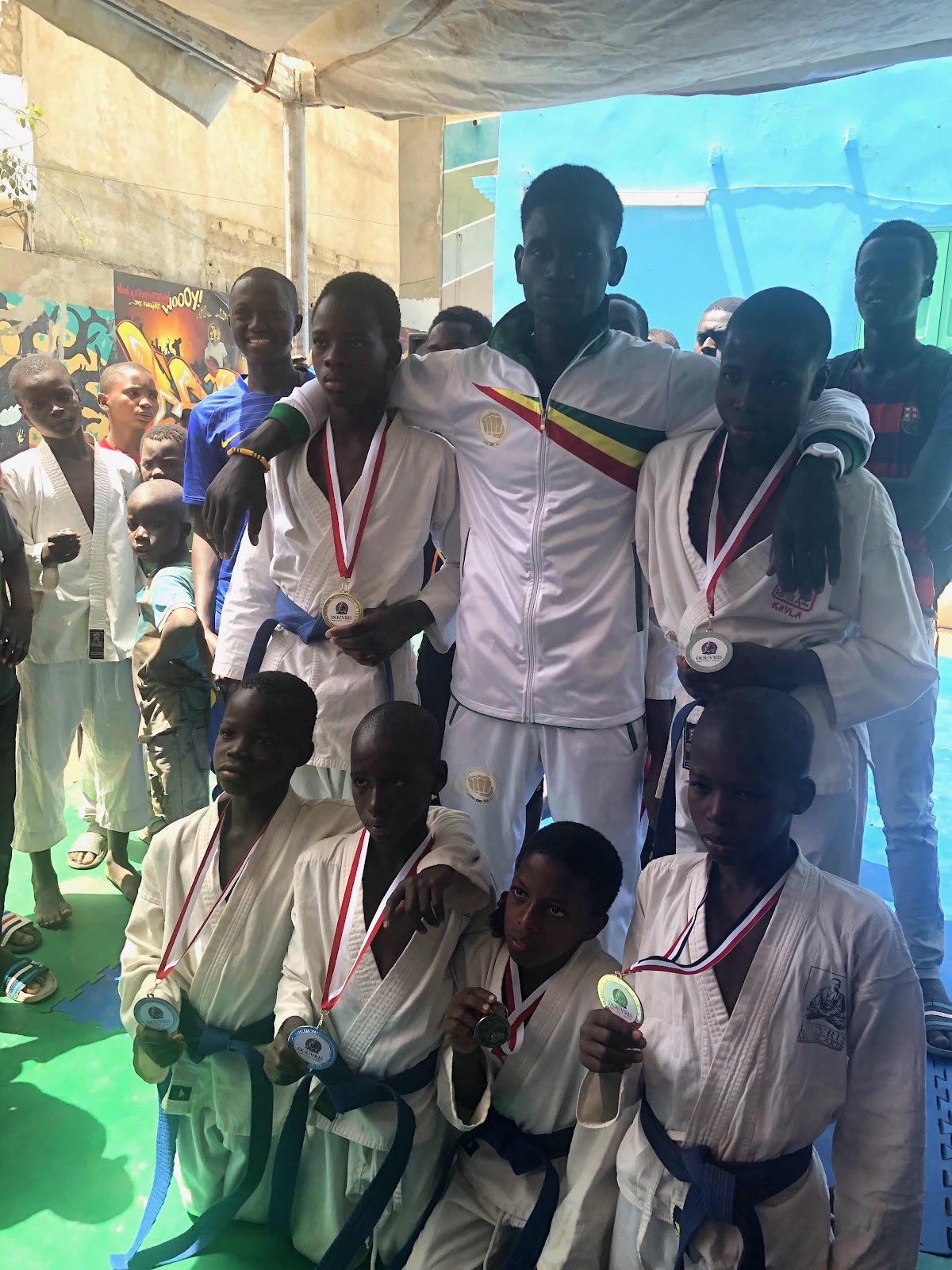
But first, the presentation of certificates and belts to the successful candidates of the last grading. several yellow belts were awarded, Ahmadou received his blue belt!


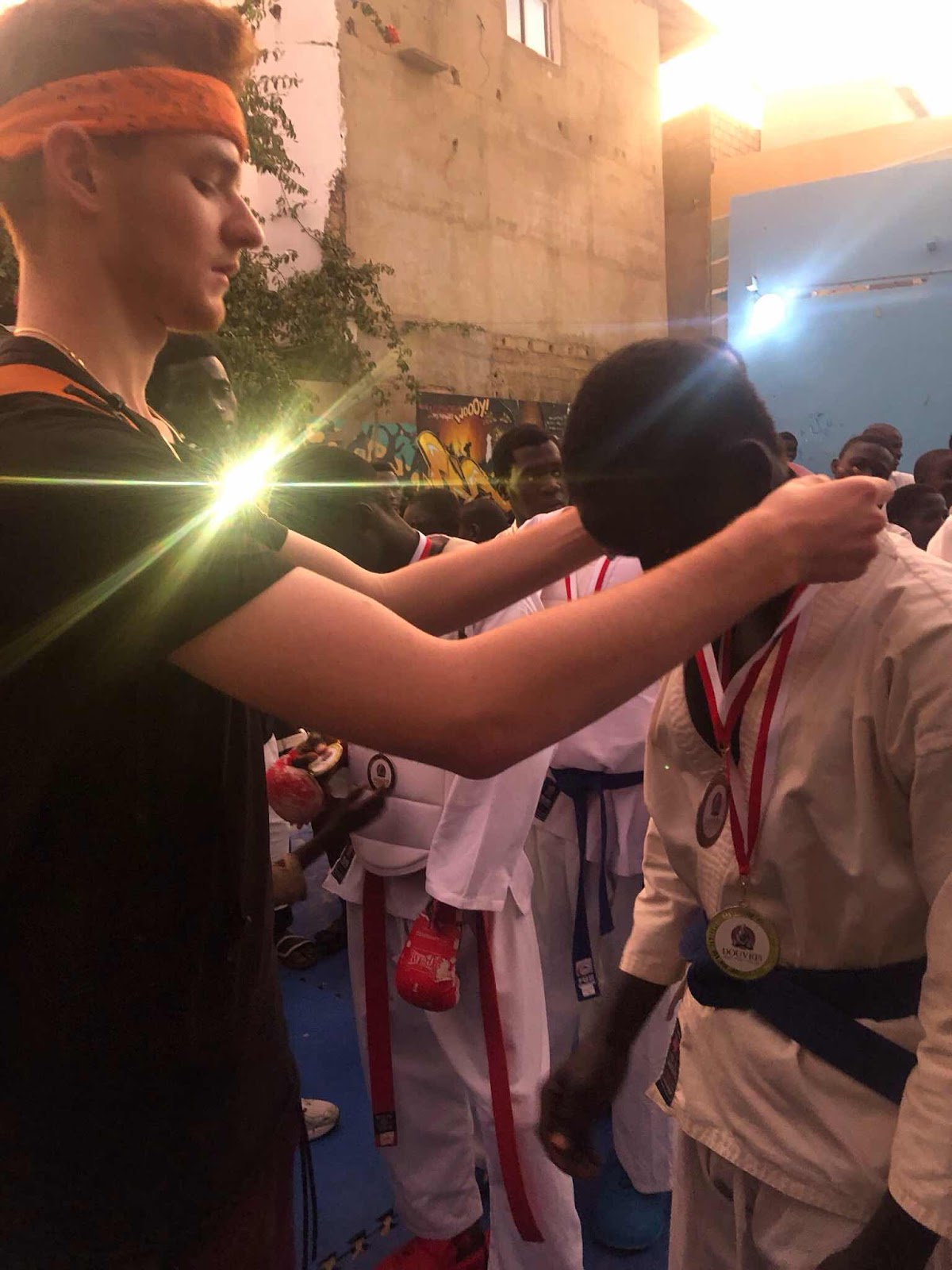
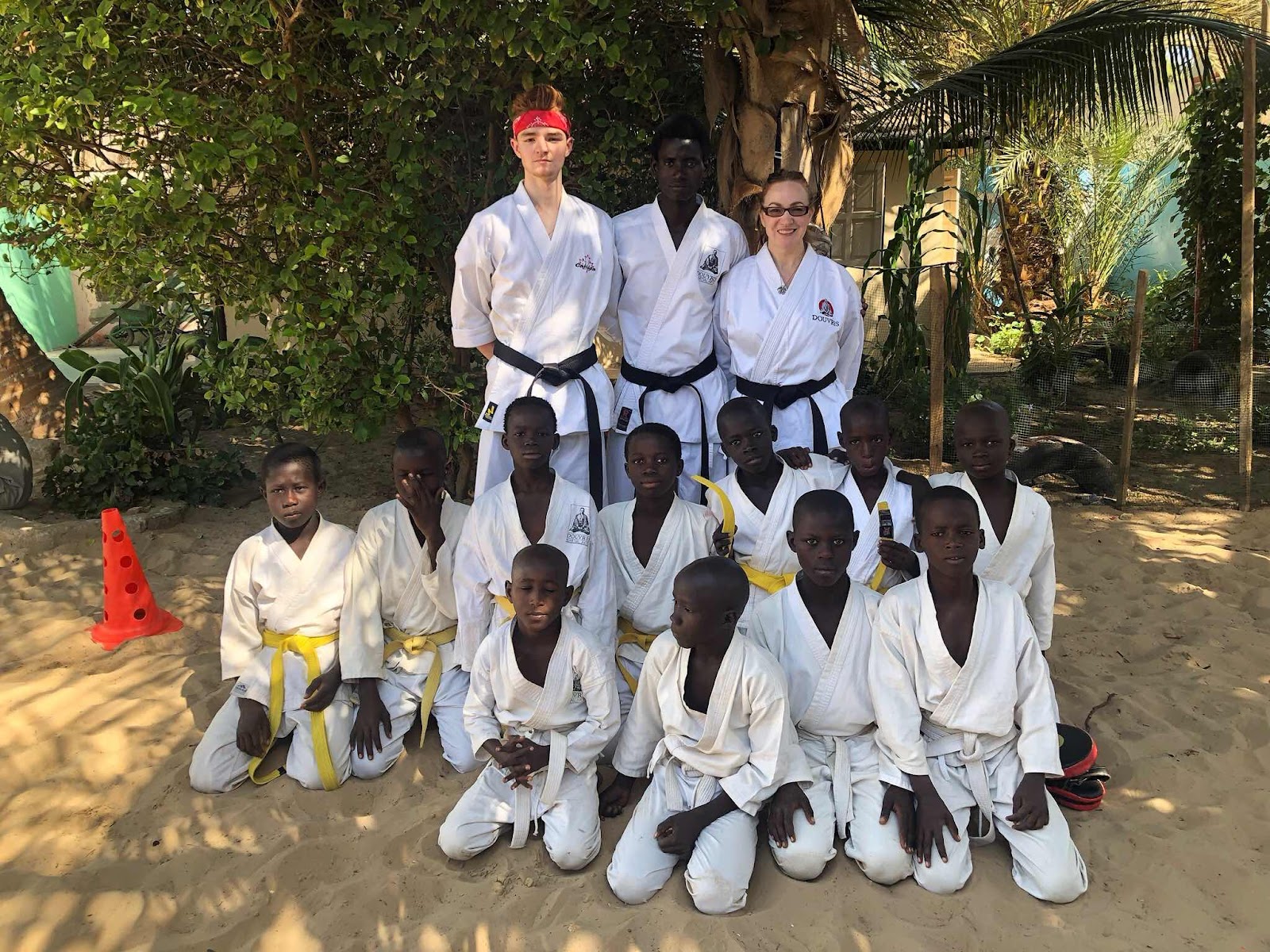
By now dusk had fallen. The head of the Regional WKF Karate Federation assisted in awarding the medals. He respectfully asked Robbie to present the gold medals. Finally, it was time for the Douvris Cup and Douvris Young Guns Cup presentation. Adama Drammeh was the new Young Gun Champion. When we return next time, his name will be engraved on the cup beside the previous winners, Seydou Ba and Omar Sow. This clearly was the first tine Adama had experienced a triumph such as this or won a prize. Despite the 32C temperature, he would not remove his new WKC sweater. And, I expect he is still wearing his two gold medals. Ahmadou Diallo was exhilarated to receive the Douvris Cup title once more. I showed him the two name plates to put on the Cup for his previous wins and explained he had now earned a third, which I would bring next time I returned. He promised to bring the Douvris Cup back to reside at MDG well before the next Douvris Cup Classic. I told him he would be able to keep the other temporary trophy permanently in exchange.

A feast for the tournament competitors was presented. It seemed the rewards and the accolades would never end. Surely in the hearts of these boys, this day and these feelings will be permanently imprinted.


The courage, confidence and self assurance of these talibés has been uncovered and locked down thanks to karate. Even if due to circumstances they cannot control, any of them are unable to continue in the MDG-Sor karate program, they have learned what they can control. They will never lose the gifts karate has given them. Each of these boys has been forever changed for the better.


Saturday, November 23, 2019

Like Coming Home


After arriving in Saint Louis we made our way to the Maison de la Gare Center. On the way we passed several groups of talibés: barefoot and in rags, carrying their begging bowls. They could not have been any older than seven or eight. A few talibés were on their own. Isolated in so many ways. unseen or detested, possibly pitied, by society. Abandoned by family. Neglected and tortured by the marabout to whom they have been entrusted. Existing void of affection or love. Their only friends are each other. And, Maison de la Gare.

It felt familiar and somewhat comforting walking up the alley toward the gates. We knew what awaited us inside: shelter, peace, welcome and friendship.


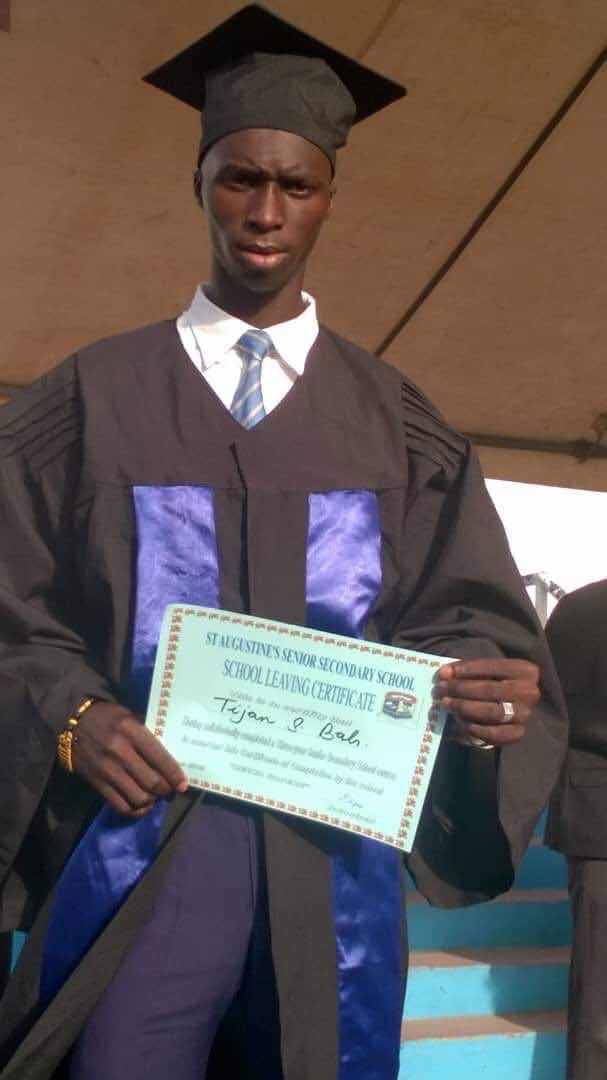
One of the first faces I saw was my friend Tijan. He had travelled from The Gambia to meet me. It was a joyous reunion. Tijan had been discussing the merits of an education with my friend, Souleymane. Souleymane has been a talibé for many years. And, he has been a karate student for years also. Robbie had the honour to present him with his yellow belt two years ago. Souleymane is seriously considering returning to The Gambia, as Tijan did, to enrol in formal school. He understands it will not be easy. Tijan, who has recently graduated with his high school diploma, has ensured Souleymane understands the challenges and the long road that awaits him if he chooses the path of education. Souleymane has made up his mind. He is going to do it. He has somehow developed enough confidence and self assurance to take this risk of the unknown in pursuit of a better future. Perhaps karate offered him this gift. Perhaps it was in him all along and karate helped him uncover it. Tijan's example showed him the impossible can be possible.


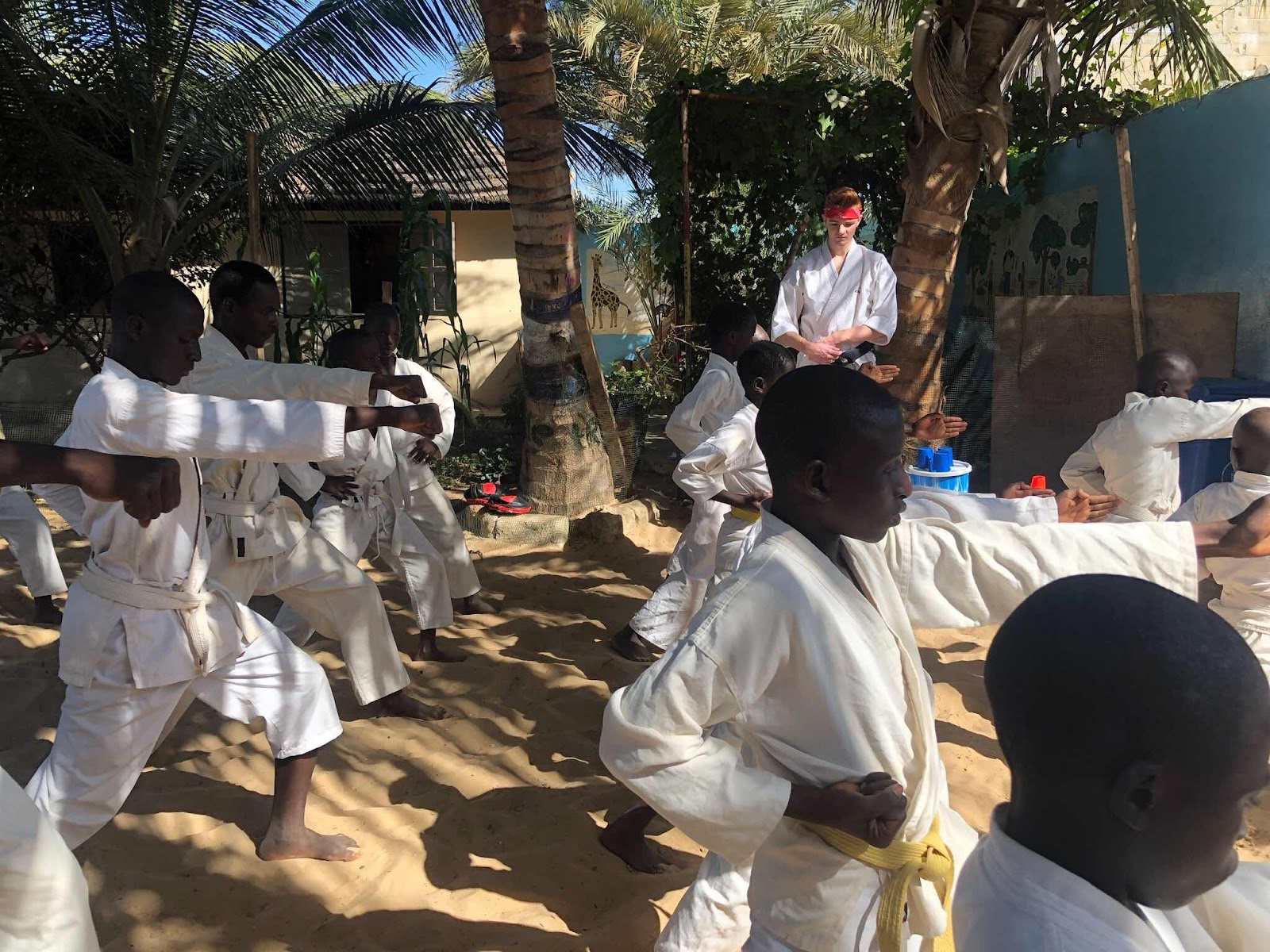
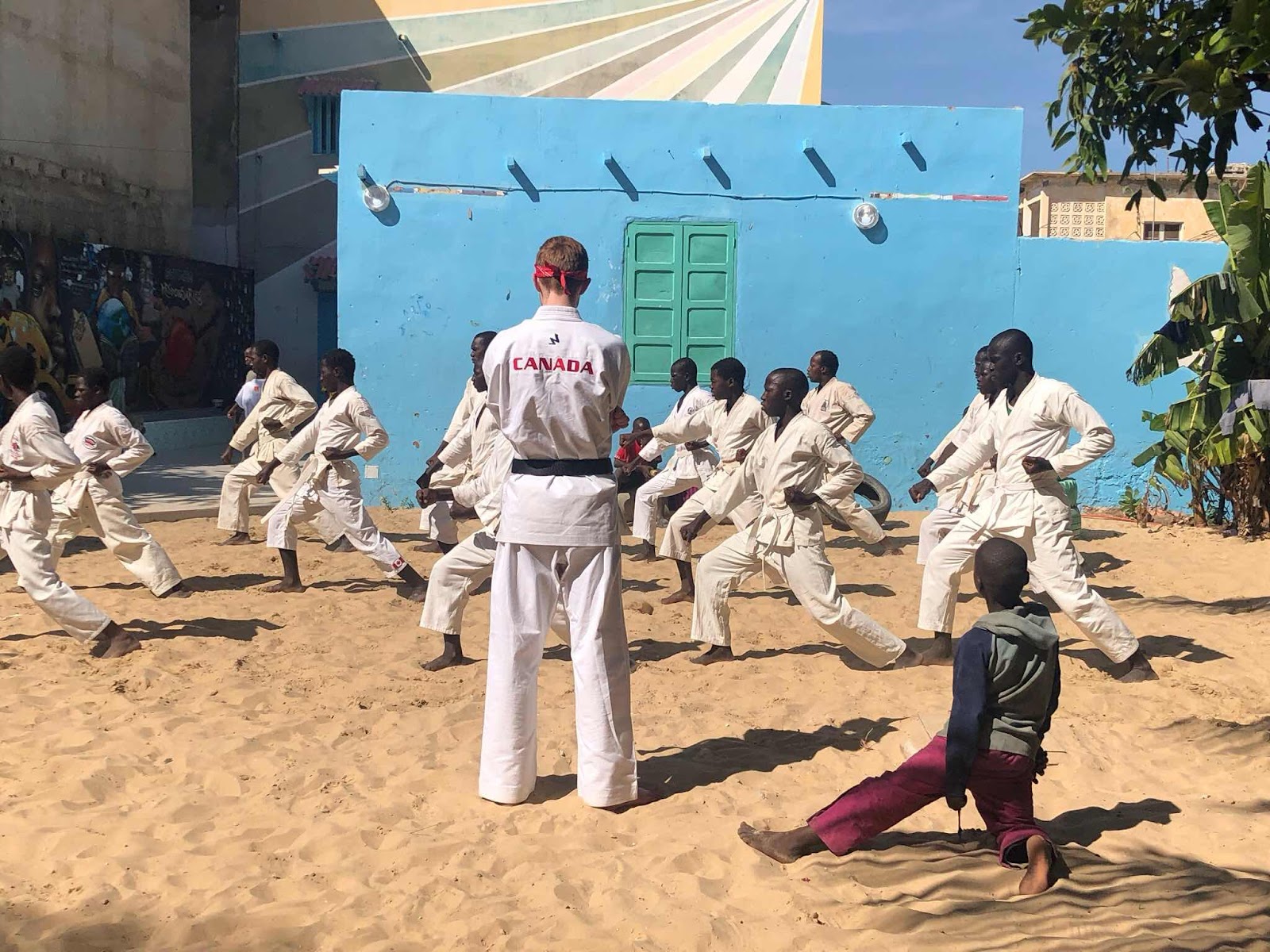
The next morning we returned to the centre, knowing there would be a karate class. As Robbie and I stepped through the gates carrying duffel bags filled with uniforms and karate supplies, the karate class that was newly underway came to a jolting halt. The karateka rushed us, calling "Sonia" "Sonia" Sonia" "Robbie". Bouaro's face lit up when he saw Robbie. The kids all reached out at once to touch or shake our hands. Then off they ran with the bags to put them away. The new students who had been waiting for Gi's dressed and so did Robbie and I. After we were bowed-in Bouaro asked Abdou to help translate the sentiments of himself and his students about how happy they were to have the karate program, and how it helps sustain them through their challenges. 


I brought out photos of some extraordinary philanthropists back home. I explained (again with Abdou's help to be sure I was understood) that children from our dojo,  Kaylie and Keagan save every penny they earn all year long to be able to help them have the chance to do karate. And Anna eschews birthday gifts and presents, asking only for money to help talibés become Maison de la Gare- Sor karate kids. I explained how these Douvris karate kids love karate and also think about and love the talibés so much that they want to be able to bring them the gift of karate.

The children seemed shocked to hear my words. A few already knew of Kaylie and Keagan but most did not. Such a huge and impossible thought that children in Canada would be thinking of them and willing to sacrifice for them. One boy asked to speak. He said "we are so happy. Karate is so important for us. Now, knowing this, we will persevere and work even harder. We will never give up." Others nodded in agreement, looking emotional, fierce and determined. one by one they all respectfully approached us and one at a time bowed. How can there be words after this!?!


Later, Robbie took a group of karatekas aside to help prepare them for the tournament to be held the next day. They would all be participating. For many it would be the first time and they were excited but anxious. Robbie worked with the older beginners, white belts, on their katas. I had the strong sense that the children felt honoured to be training with Robbie and I. But we both knew better- the honour was all ours to be training with them.

It was hard to say good bye when class ended. But, the streets called. Off came the white gis that marked them as special. In many cases they remained barefoot. But, without the gi this marked them as lesser instead of more. The children still had begging quotas to fill.


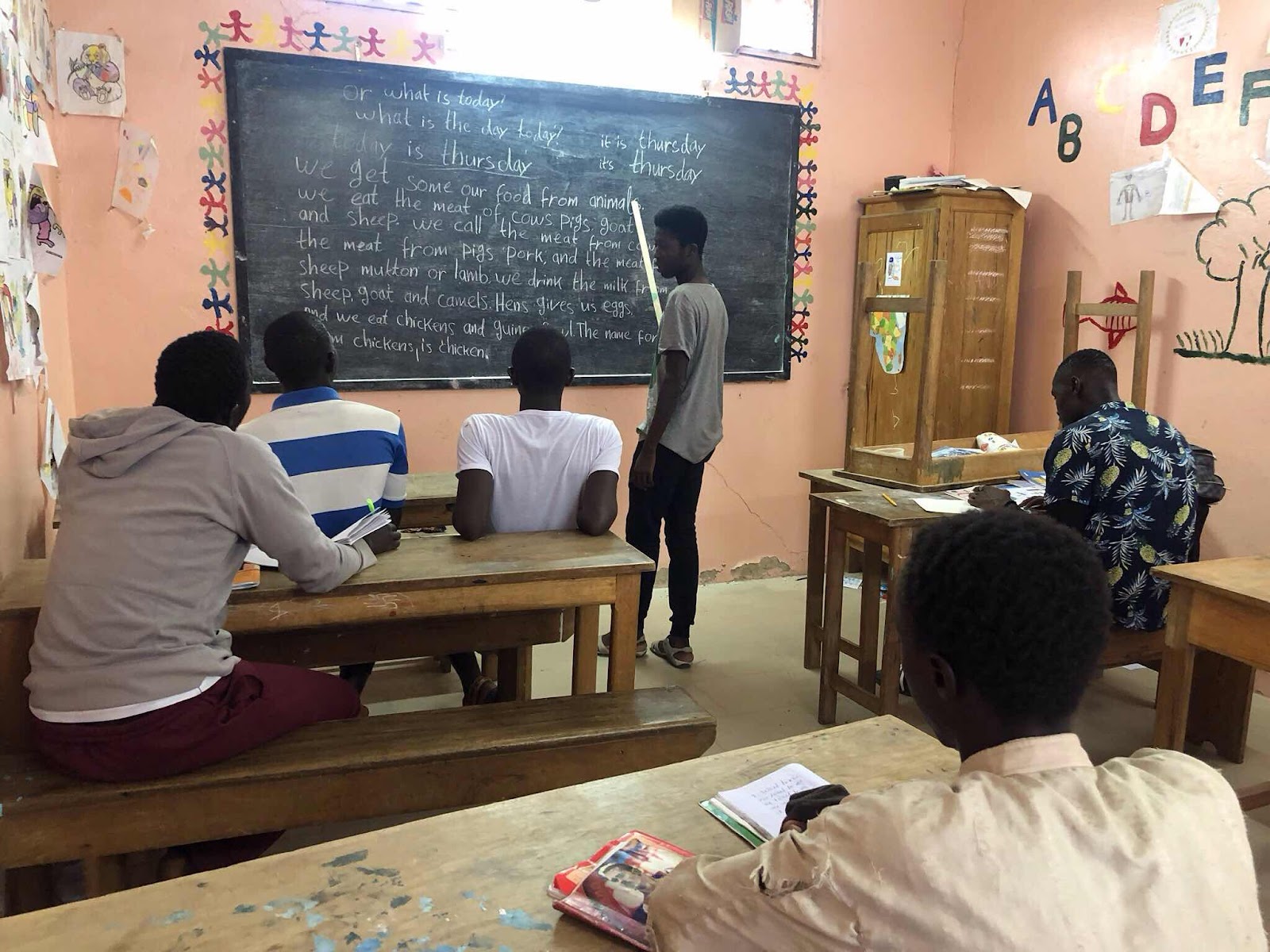
In the afternoon Robbie assisted Kalidou teaching his English class. Kalidou is a leader in the couture apprenticeship program, and he also teaches English every evening. I met Kalidou on my very first visit to Saint Louis over ten years ago when he was a forced begging talibé. Now, having taught himself English and devoted himself to learning a trade, Kalidou is an example to so many young talibés.


Robbie and I made arrangements to meet Idy late that night for a Ronde de Nuit in search of talibés who had run from their daaras and were in far worse danger, alone on the streets at night.


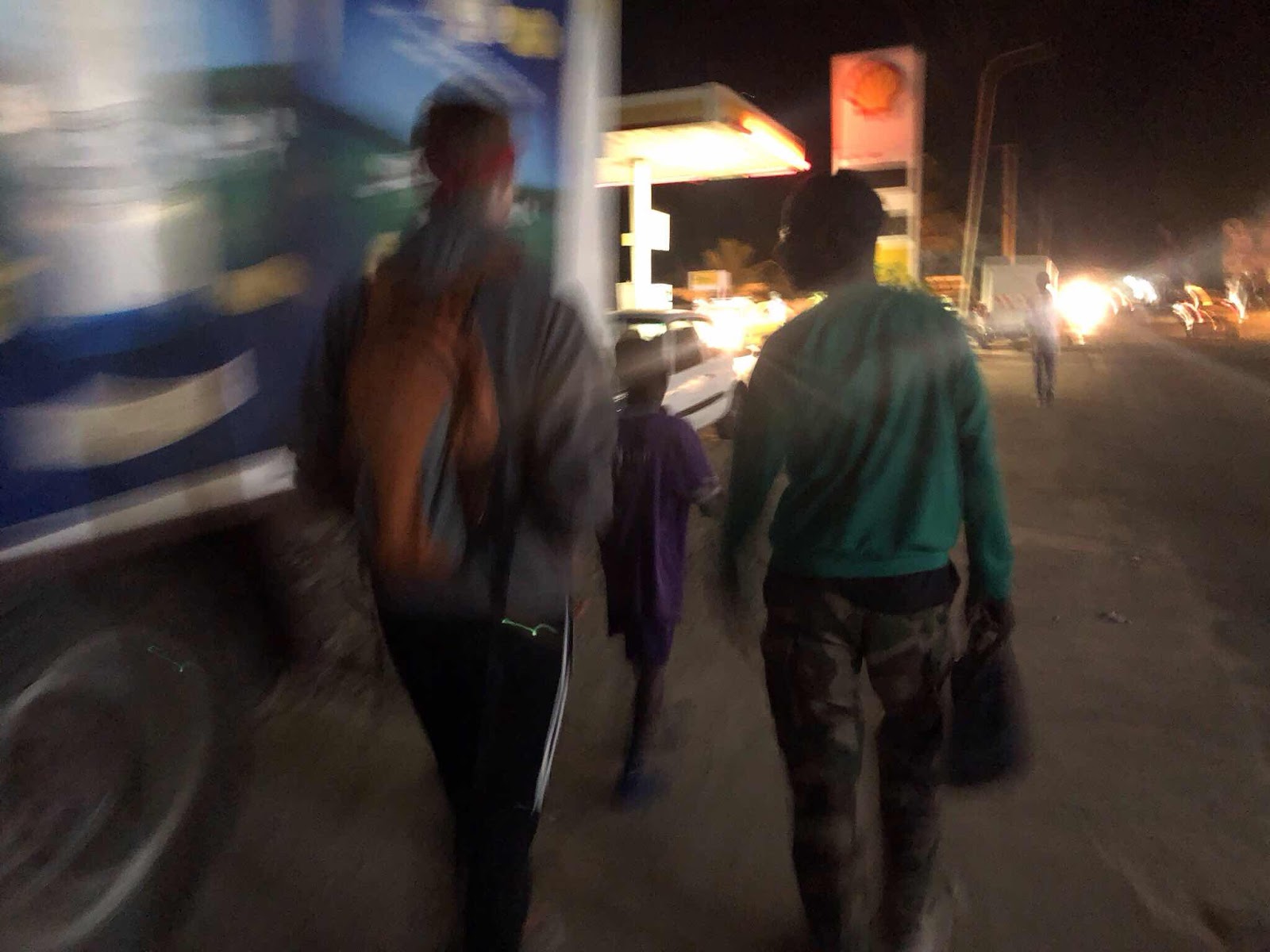
After midnight, at the Gare Routiere, we soon found a little boy, asleep in a corner. Idy gently woke him and explained he was not safe, and he could sleep instead at Maison de la Gare in a bed and have some food. The little boy, Ibrahima, trustingly followed Robbie and Idy, proving just how vulnerable they are while on the run. It was not long before we discovered a second talibé, curled up against the chilly night air on a well lit counter. For these runaways, the relative safety offered by well lit locations must be balanced against the desire to remain hidden. This boy, Ibrahim, also followed us with little objection. We took them in a taxi to Maison de la Gare's emergency shelter. The night guard checked them in and we tucked them in. Then we went out once more. 


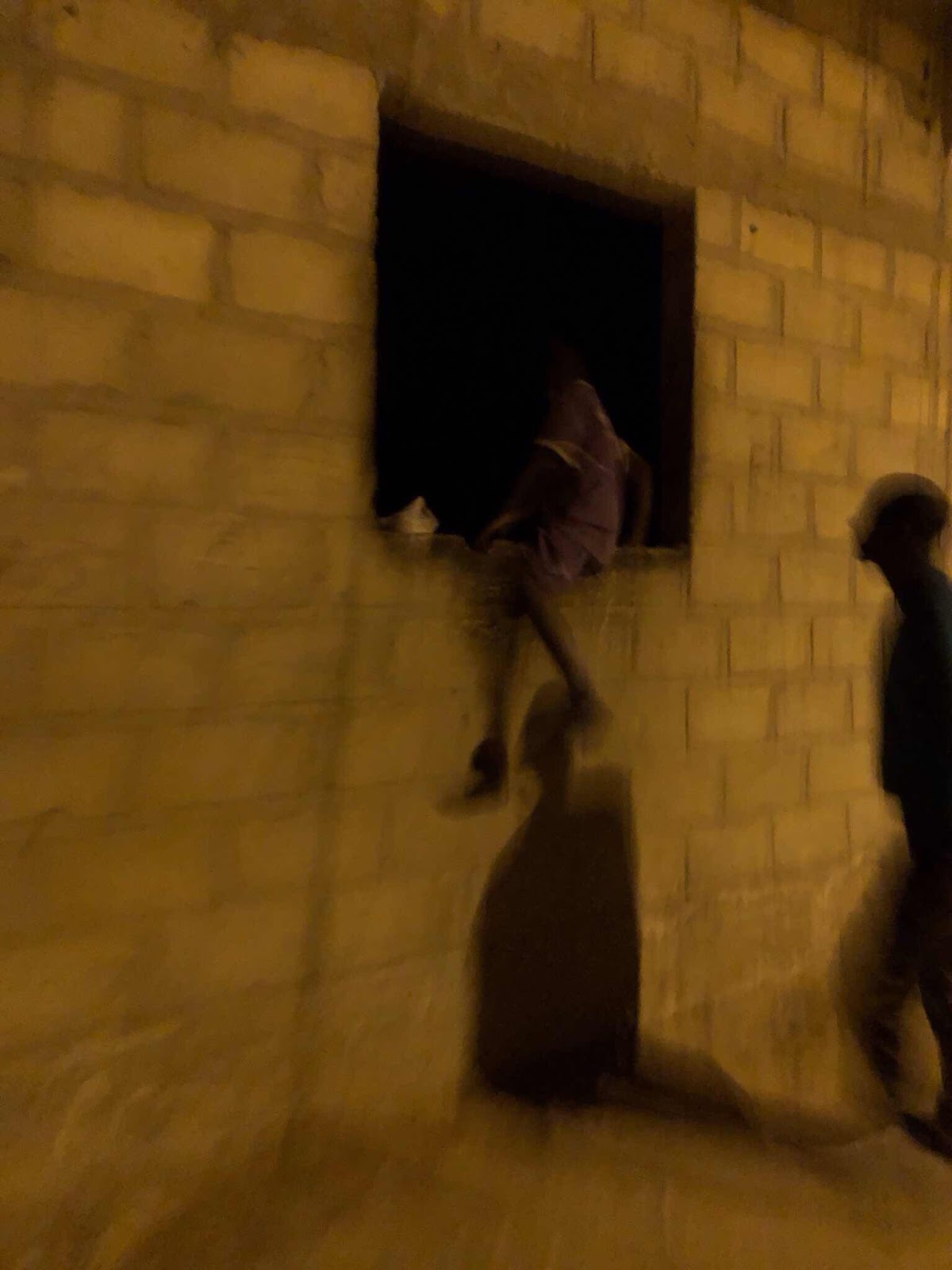
Along the main road, we found a tiny boy sound asleep under a bright light, knees tucked into his ragged t-shirt for warmth. It was very difficult for Idy to wake him, and the boy kept nodding off again, clearly beyond exhausted. Eventually he woke and realized it was late. He seemed upset that he had fallen asleep and wanted to get back to his daara quickly. He had walked for miles that day, and had not eaten at all. He had been simply too tired to take another step. I bought him a fataya to eat at the all night restaurant nearby, as well as two more for the boys now safely back at the dortoir. Idy suggested it would be safe for the boy to take him back to his daara or he would not have asked to go. So, we accompanied this little one (He seemed about age six to me but Idy said he was likely eight). The talibé was so tired that he was stumbling and seemed in danger of falling asleep on his feet. but, with every bite of his food he gained strength. When we finally arrived at his daara after about a 20 minute walk he had perked right up. instead of going in the front door, the talibé wanted to hop in a back window quietly, hoping to rejoin the other boys undetected. Idy gave him a boost, and the last we saw of his face was a smile of thanks, accompanied by a quick wave. 

It was 2 am when Robbie and I returned to our hotel, emotionally and physically exhausted. But sleep would allude us this night.


Tuesday, November 19, 2019

Tomorrow, Saint Louis!


We are on our way, again. Robbie, Dad and I. I am writing from the JFK airport. In a way it feels like going home. But, as we are leaving Rowan and Robin in Ottawa this time, half my heart will remain in Canada. And, just as more of my extended family is also back in Canada, many more await me in Senegal as well.

Two of my Godchildren, Djiby and Mohammed are in Saint Louis. Tijan, has travelled from The Gambia to meet us and waits at Maison de la Gare. Oumou and her lovely six children are anticipating our reunion. And, Arouna, of course. Robbie and I are excited to see and train with Bouaro and our MDG-Sor karate boys once more. and all of the dedicated MDG staff, who are almost family. 


I first met Tijan many years ago when he was a talibé in Saint Louis. He and Robbie have been connected on-line since  that time, friends across the ocean, from two different worlds. I have been supporting and encouraging Tijan to pursue his high school studies back in The Gambia for several years, rather than to attempt a dangerous migration in search of hope and a new life. This summer Tijan graduated from high school, despite the nearly unbelievable challenges he faced in pursuing his education. Robbie graduated at the same time. Such different paths and obstacles these two boys of mine faced in pursuing their dreams. Both of them are taking the next step toward their dreams, beginning university next year. 


Oumou's family exists on a precarious knife edge, yet sheltered from their regular brushes with disaster, dispersion, the end of their educations by Oumou's indomitable protective spirit and diligence. The kids are happy, polite, charming, love school, and each other. In Oumou's own words, her family will be separated only "over my dead body". Oumou is uneducated. But, she has a burning belief that education will free her children from their difficult life. A friend in Ottawa and I are determined to find a way to support this family more comprehensively, help them to better help themselves. Maybe on this visit I will figure out what, beyond school fees might be most effective.


Robbie and I are sponsoring a karate tournament at the MDG centre at the end of the week. We both volunteered in support of a local Ottawa Douvris tournament this past weekend. Watching and ecouraging the children conquering their fears to lay everything on the mat is always inspiring. There will be no shortage of  inspiration again this Friday as the MDG-Sor karate kids swallow their anxieties and step onto the mat for their own triumphant moments.


We have many plans and will see many friends on this journey. But first...one more flight.


Saturday, March 23, 2019

Lala and the Beautiful Game


Lala sits under the shade of the bougainvilleas, talking to a little talibé. Lala is listening to him, giving him her full attention. She speaks a few encouraging words. He nods, she pats him on the shoulder and he runs off. 

Maison de la Gare is lucky to have one dedicated, long term volunteer, Lala Sene. Lala played soccer for Senegal's Women's National Team in 2006, 2009, and 2012. Soccer was her life, until 2017 when she received a career ending injury of a double fracture to her right foot.  Wanting to use her skills to help the forced begging talibé street children of her city, Saint Louis, she began to volunteer at Maison de la Gare, coaching the soccer-crazy talibés and organizing a weekly tournament at the centre. 


As Lala's injury healed and the talibé boys of Maison de la Gare captured her heart, she increased the frequency of her volunteering until she could be found at the centre everyday, helping to prepare the daily food or lend a hand wherever it is needed. The Thursday soccer tournaments continue, but frequent  informal pick-up games now also offer regular opportunities for the boys to receive coaching tips and the extra special attention that is so lacking in their lives.


Lala was born in Saint Louis, into a family of sixteen children. She began to play soccer at age six, with the boys in her neighbourhood.  Her father knew of her love of the beautiful game  and could see that she was always the best player on her teams.  He encouraged her to feed her passion and pursue her dream of playing professional soccer. When her father was on his death bed, he asked Lala's coach to watch over her and continue to encourage her, a wish which her coach has continued to honour. 

Lala's parents are both gone now. She lives in her family home with five of her sisters and three of her brothers. They support each other, and they encourage her in her devotion to the talibés, recognizing the importance of this work for her.


Lala is now completely devoted to the talibés. Her greatest worry is that if she falls sick, or even needs to take a few days away from Maison de a Gare, that the children will miss her. She says "If God is good, I will be able to remain at Maison de la Gare and help these children who trust and need me." She adds that the talibés are like her little brothers or her own children. It hurts her heart to be away from them. It touches her deeply when the talibés call her name out to her on the streets of Saint Louis.

It is Lala's greatest wish for the future to be able to continue to commit herself to the talibés boys of Maison de la Gare.

"I feed myself off of my love for the talibés and their love for me. I am one with them."
- Lala Sene


Sunday, March 17, 2019

A Time to Shine


Karate began for Maison de la Gare four years ago. The very first classes were offered to talibés who did not know the sport, or the language in which it was taught, or the thirteen year old Canadian boy teaching them. But, it looked fun, and it did not require shoes (which they did not have), and they got to wear clean white uniforms, so dozens of talibés decided to give it a try.


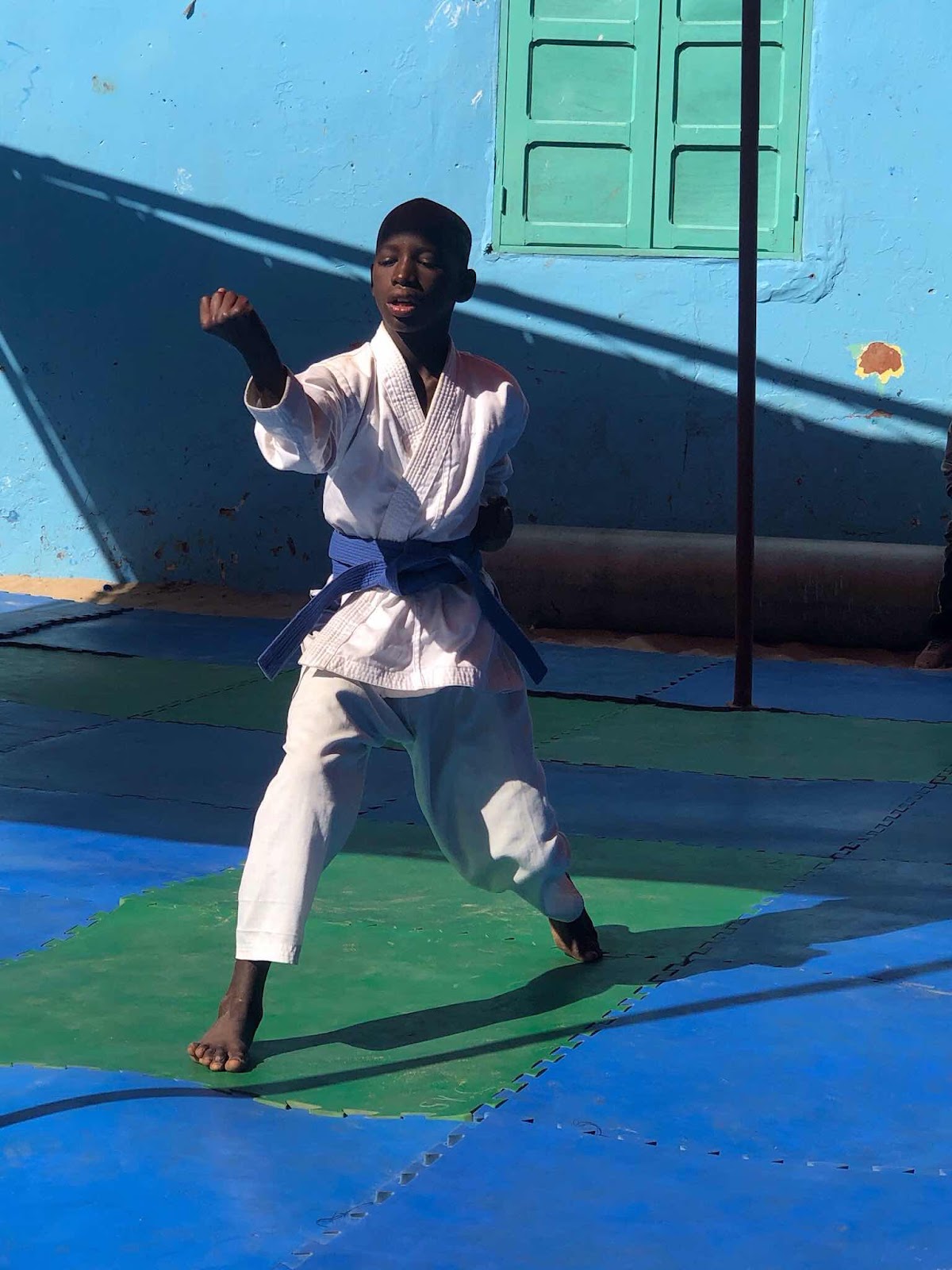
Today karate is respected and adored at Maison de la Gare. For some of the many dozens of talibé karateka karate has become a burning passion. For a few, they say karate has become to them life itself. The young Canadian who brought karate here has now been four times, and he is well known and his arrivals are highly anticipated. And, all the karateka now understand the language of karate, taking their instructions in the Japanese universally known in the karate world. 

The karate students knew a tournament  would be hosted for them at Maison de la Gare. This would be the third in two years, so they had an idea of what was in store. They were preparing at the centre during morning karate classes and also at the dojo during evening classes long before tournament day. A few days before the competition Sensei gave a motivational speech to the competitors, giving them advice on how to focus and comport themselves during the event, as well as to congratulate them on their perseverance, dedication and accomplishments to date.


The morning of the tournament, the kids began putting the mat together. But, unfortunately, as they began piecing the mat together from all four corners, it did not come together in the middle as expected (as could have been expected). As the WKF referees began to arrive, one directed the boys to take the mat apart and begin again from one side only. They were very appreciative of how neatly the mat pieces fit together after using this method. 

Before long the prizes, medals, and the Douvris Cup were displayed as motivation. The five referees were present and ready. Sensei was standing by, and the competitors were dressed, lined up and ready to go. Maison de la Gare was packed with talibés, staff and visitors anxious for the competition to begin.


The first division was kihon, for the younger group of students who train at the centre in the mornings. Over twenty competitors performed as requested. Or, what they thought was requested (the instructions were in Japanese after all). After each pair performed, a winner was chosen. Then the winners competed again. And again, until only the gold, silver bronze and runner up remained. The process was repeated for kata. Then medals were awarded, and prizes for the winners. Candy sticks were given to all the competitors. But it seemed that all of them felt like winners.


At 1:00pm the tournament was suspended so the invitees and referees could break for lunch and to pray. Some of the competitors returned to their daaras, some went out to the streets to beg, and some remained to hang out at Maison de la Gare. The tournament was scheduled to resume at 4:00pm.  

At 4:30pm the group began to assemble again. By 4:45 the dojo talibés, and the older kids who train in the mornings were dressed, lined up, and ready to compete. A surprise: The President of the WKF Senegalese Karate Federation was attending, a great honour! He was seated at the head table beside Sensei Ignety Ba The referees turned to salut him. Then they bowed to the karateka. The boys nervously bowed back to them. The afternoon battle for the Douvris Cup was ready to begin.


First Kihon, for the morning older kids. This was the first time competing, ever, for these boys, all white belts. They seemed surprised and delighted by the audience's applause.


Then, kata, for the dojo kids. Some white belts, some who has passed for yellow, but not yet been granted their belts (that would happen later during the competition), several orange belts, and a few greens. For the tournament however, they were all equal, wearing blue or red. One competitor, in particular, orange belt, Ahmadou Diallo, performed a particularly spectacular kata. The crowd burst into loud, sustained shouting and applause, astonished at his skill, much to Ahmadou's obvious joy.


Finally, kumite, As the boys were paired off and donned their protective gear, the anticipation in the air was palpable. What is it about competitive fighting that excites people this way? The referee started the first pair. As they began to spar, the crowd grew louder. At first laughing as punches missed or were blocked, then clapping and cheering as hits were made and points called. As the fights progressed, with the winners moving on to fight the winners, the skill displayed increased. The noise from the crowd grew ever louder with each successive pair. Finally, the fight for gold. Veteran competitor Souleymane won the match, his roundhouse kick to the head his special weapon. But, one more fight remained, Ahmadou was fighting for third place. Although he did not realize it, he was fighting for the Grand Championship. If he placed third, he would win the Douvris Cup, having won Gold in kata. As the clock ticked down, Ahmadou received a blow to the face that required a call for the medic. After the all clear, he insisted on continuing. One more point was scored: Ahmadou!

The medals were awarded. Then, it was time for the Douvris Cup winner to be revealed. All the competitors who placed made sure their medals were visible to the judges, thinking to influence the decision. Then,,,"Et le Grand Champion de la Coupe Douvris est Ahmadou Diallo!" The crown went wild for him, he lept up, beaming with happiness and pride as he accepted his prizes and congratulations. 


Then, a ceremony to award the yellow belts earned the previous week. The President of the Federation awarded the first yellow belt, a wonderful honour, and an important recognition and vote of confidence in the Maison de la Gare talibé karate initiative. The founder of the program, Robbie Hughes, tied the belts on each successful grader, in turn. Many of the karateka thanked him, bowed, hugged him, and wanted their pictures taken with the young Canadian, crediting him with their opportunity to practice karate, make it their own. If only these boys could truly know how their strength, passion, and perseverance in the face of unimaginable obstacles, in turn, inspires Robbie.


This glorious day for the talibés, competitors and guests alike, will not be forgotten. As for the medalists, heroes forever!
u


Thursday, March 14, 2019

The Sounds of Senegal


It is the middle of the night. Silence. When the sheep bellows, it surely is heard for kilometers around. Still dark, the first call to pray sings out over the city, echoed  infinite times in every direction. Then, with the first crack of dawn song birds begin their morning ritual. Àt first just a few voices, rising gradually to a sustained cacophony. Finaly, the mourning  doves join the choir, and we know it is time to rise.

On the way to the centre, calls of "Sonia" distract me, slowing my progress to my destination. The words "madame", accompanied by the outstretched hand of a shoeless, filthy, tiny waif remind me why I am here, and after a pause to touch his hand and meet his eyes, I hasten my step.

As I walk up the alley toward the Centre, the bustling sounds of the street recede and laughter and childish voices reach my ears, growing louder as I approach the gate. Out in the city talibés are rarely heard laughing, they have work to do, collecting money for their marabouts, or to feed themselves. It is not a happy chore. But here, at Maison de la Gare, laughter feels more natural, children can be children. If only for a brief respite.


During karate class laughter is not the dominant sound. Instead, Japanese instructions are called and answered. A different kind of work, but this time it is a labour of love. A gift to themselves. Yoi. Ich. Ni. Sun.


At midday, the call to prayer rings out across the city again. The voices of the imams in each mosque separate, but linked, calling out to the faithful. As the call is answered, the bustle of the city diminishes perceptibly, one by one and in small groups, some slip into mosques, others roll out mats if they have them, and yet others kneel down in a quiet corner or on the sidewalk, more or less out of the way of those who do not pause to pray.


As the afternoon advances, a soccer game breaks out at MDG. The laughter is now accompanied by happy shouts, calls for the ball, and triumphant declarations. As the winners are announced, screams of joy, singing, chants of the name of the talibé who scored the winning point. The celebretory noises take a very long time to die down. Such joy only occurs here, at moments such as this. Why not draw it out. These sounds will ring in their hearts for hours to come. Until the versement must be delivered and all joy dies.

As the teachers arrive at the Centre, sounds of play are replaced by classroom words of learning. Scratches of chalk on chalkboards and tablets. Scraping of bench legs on floors. Quiet shuffling as a child shifts over to make room for a latecomer. All are welcome to join at any time. Each new entry is never a disruption. It is a triumph.


Another call to prayer. Another reminder, along with the hopeful faces of the children in class,  that God is here. 

Maison de la Gare's gate clangs shut for the night. The sound is more quiet, somehow sadder, as feet are walking away, back toward the road and a very different reality.