Followers

Monday, February 21, 2022

Opportunity Knocks


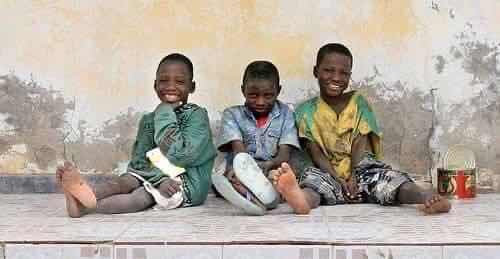
2021 has been such a difficult year for the talibés, forced begging street boys, of Saint Louis and the staff of Maison de la Gare who strive to make their lives better and help them find hope for a better future. Again.


Covid 19 initially closed the Maison de la Gare centre and dramatically affected the talibés ability to find enough even to eat. Eventually with the help of donors, Maison de la Gare was able to help feed the hungry boys during periods of lock-down. Later, the Center was able to reopen and talibé could return to spend a few hours a day playing, learning, seeking solace or health care, and just be children.


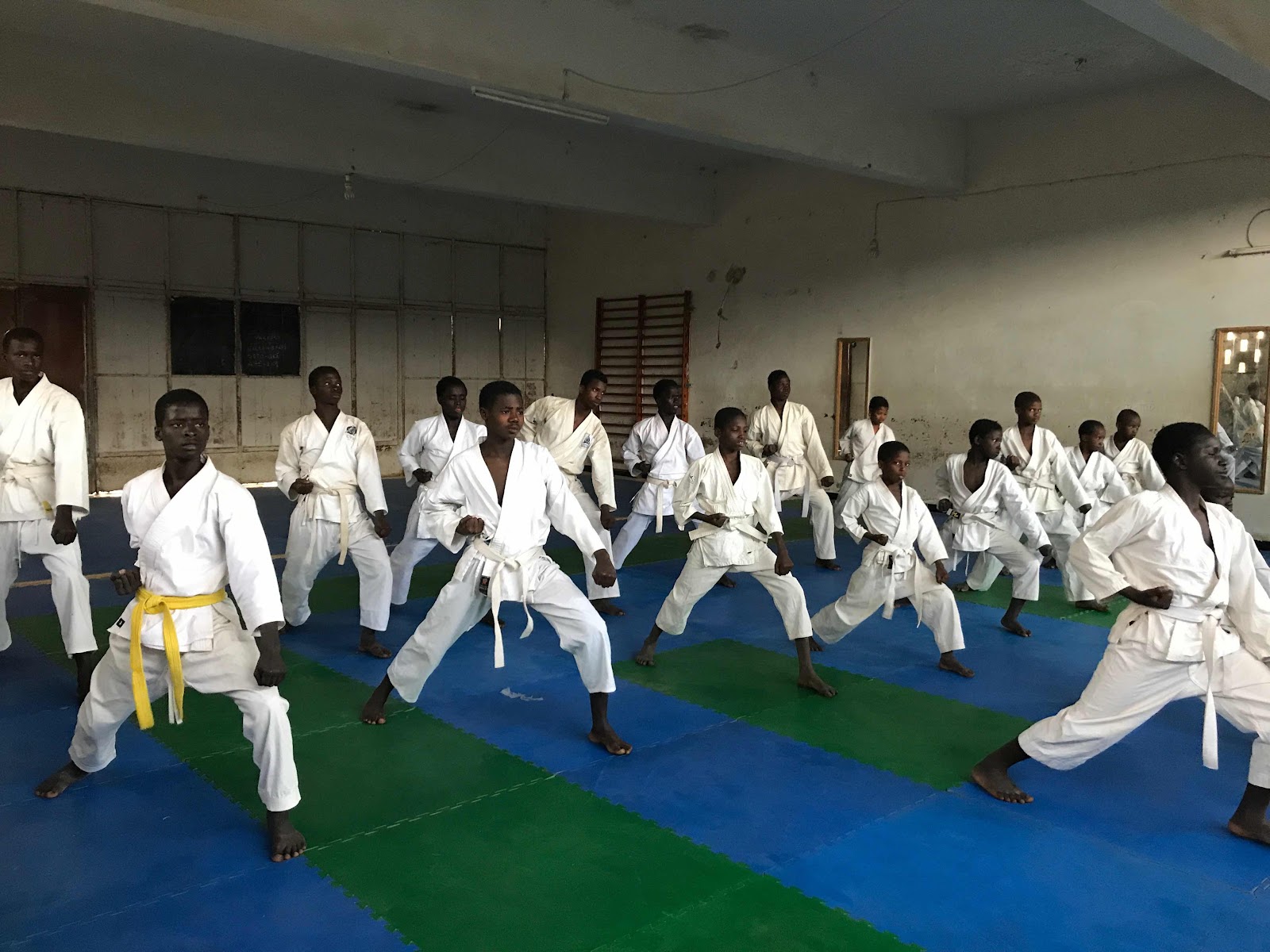
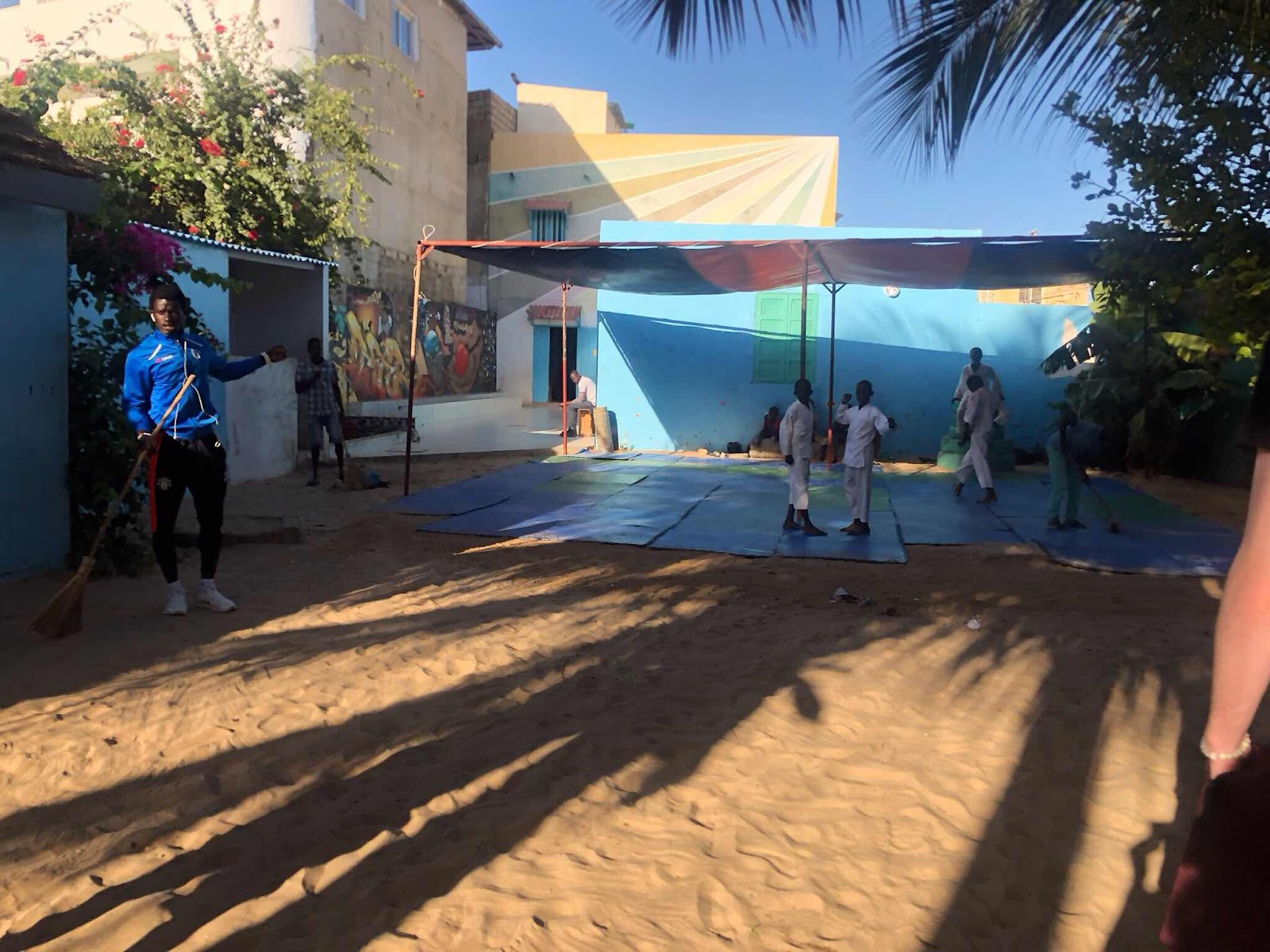
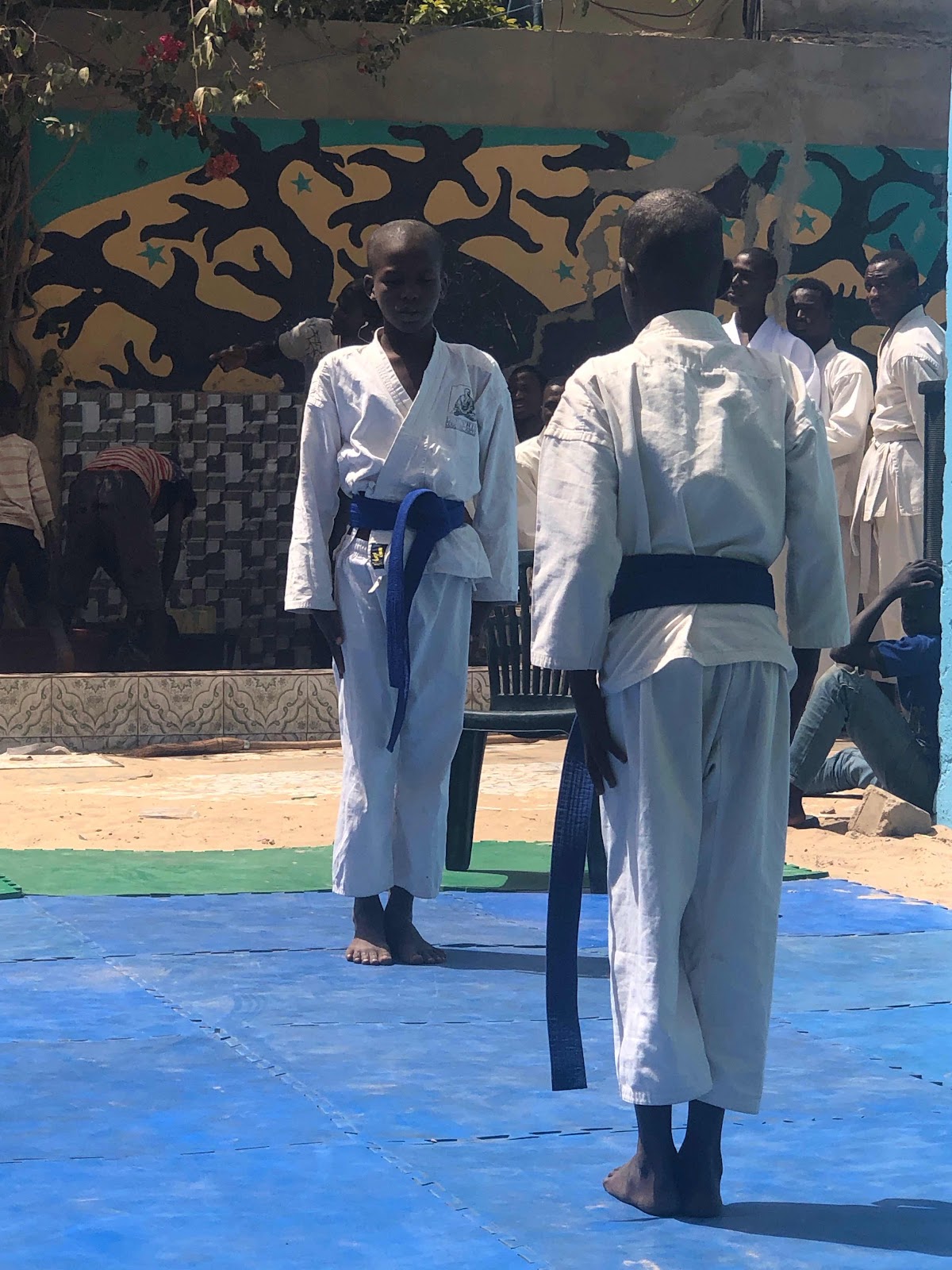
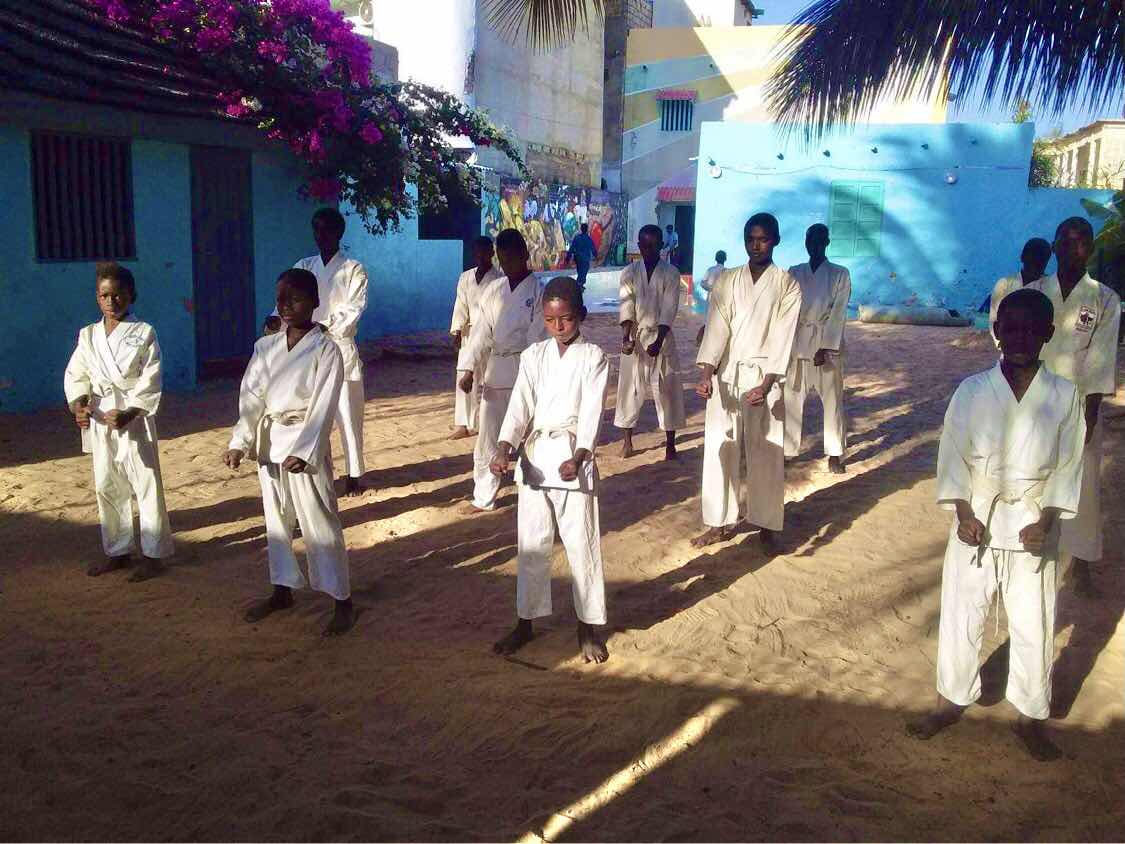
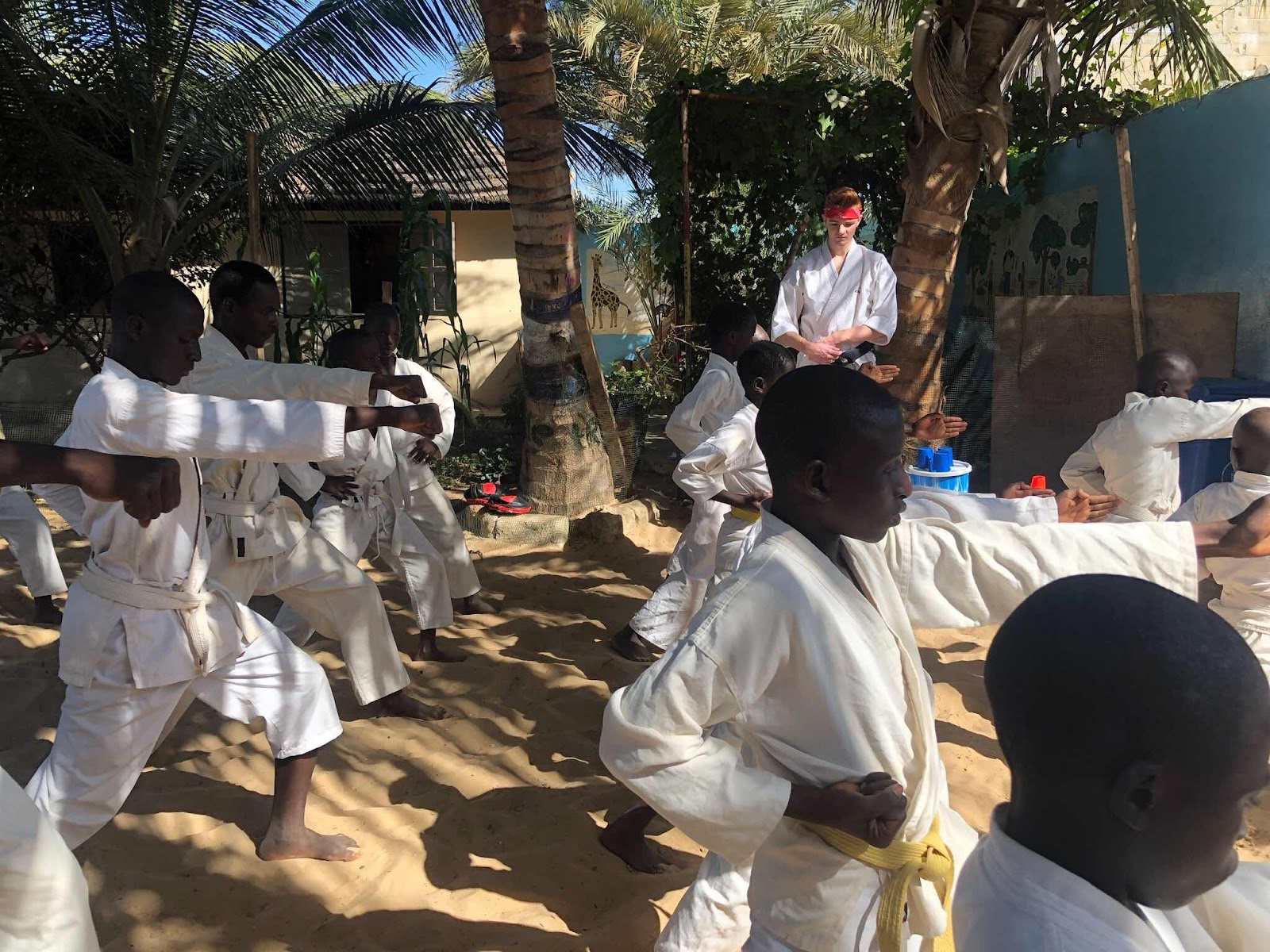
Best of all for the young martial artists of Maison de la Gare, karate could resume. the clean, white gi’s came out of storage, white and coloured belts were wrapped around torsos once, the sand was raked and swept of shells, pebbles and twigs, and the karateka lined up under the African sun once more. Yoi. Ready in anticipation for the instruction of their Sensei.


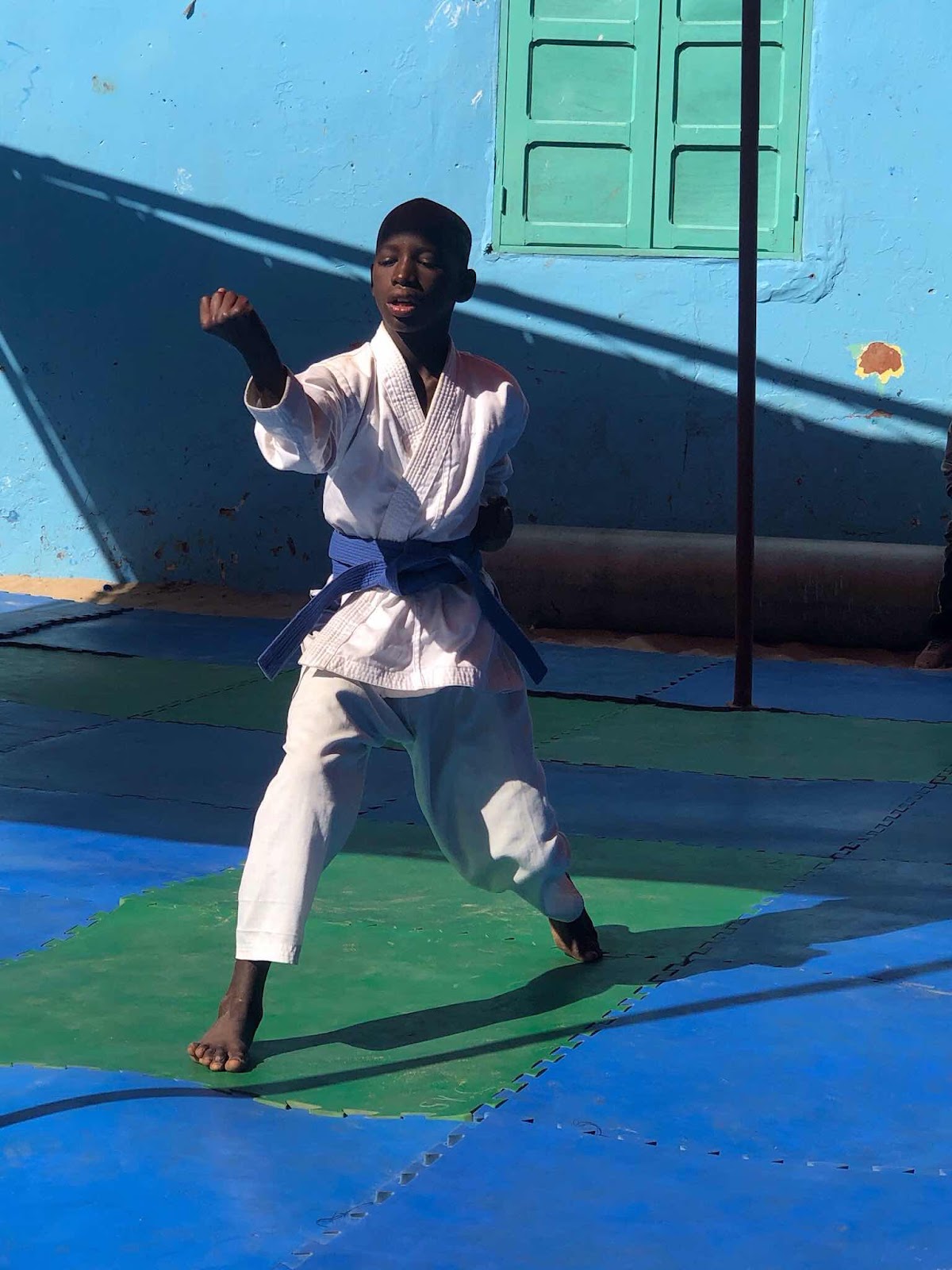
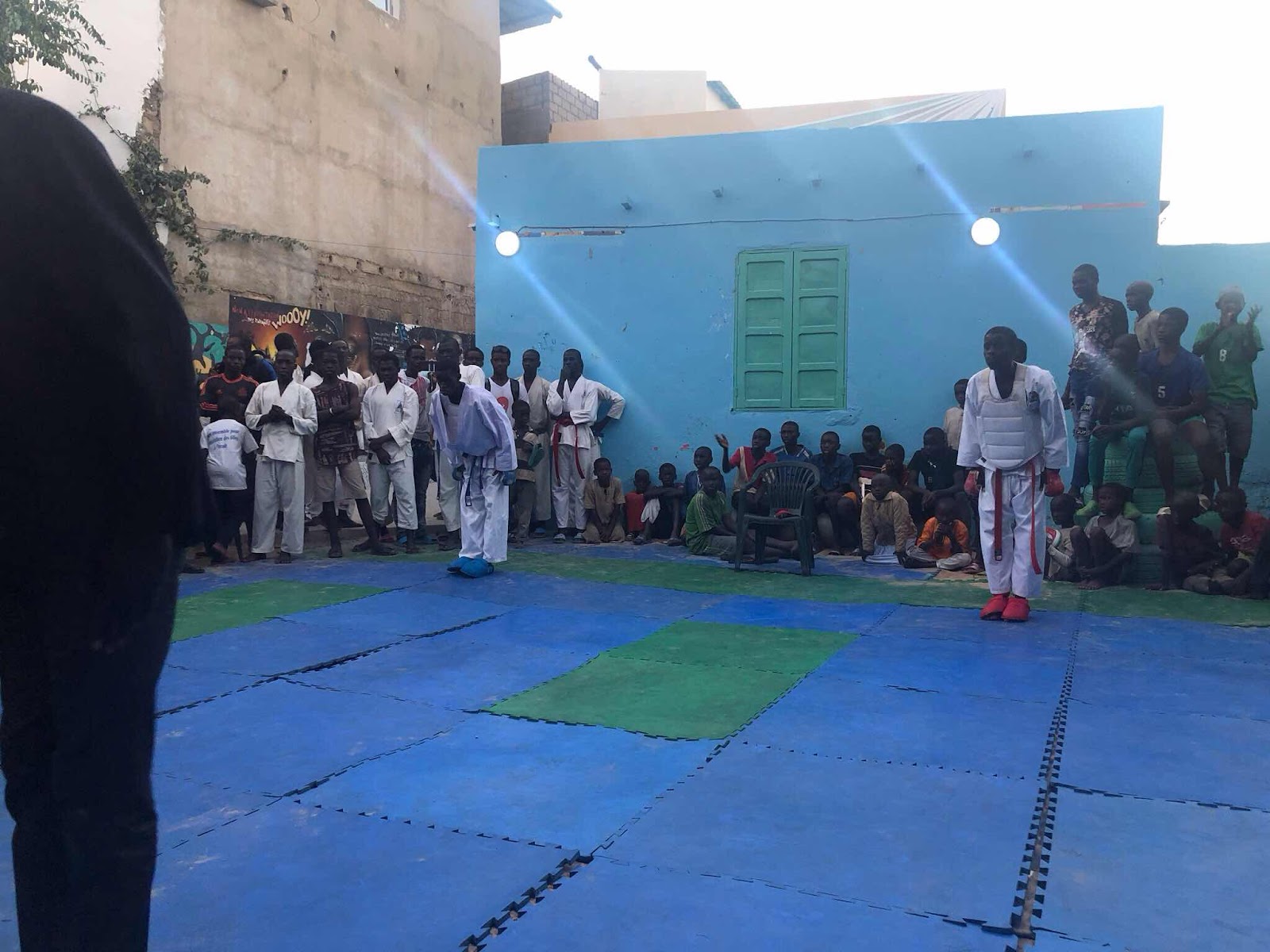
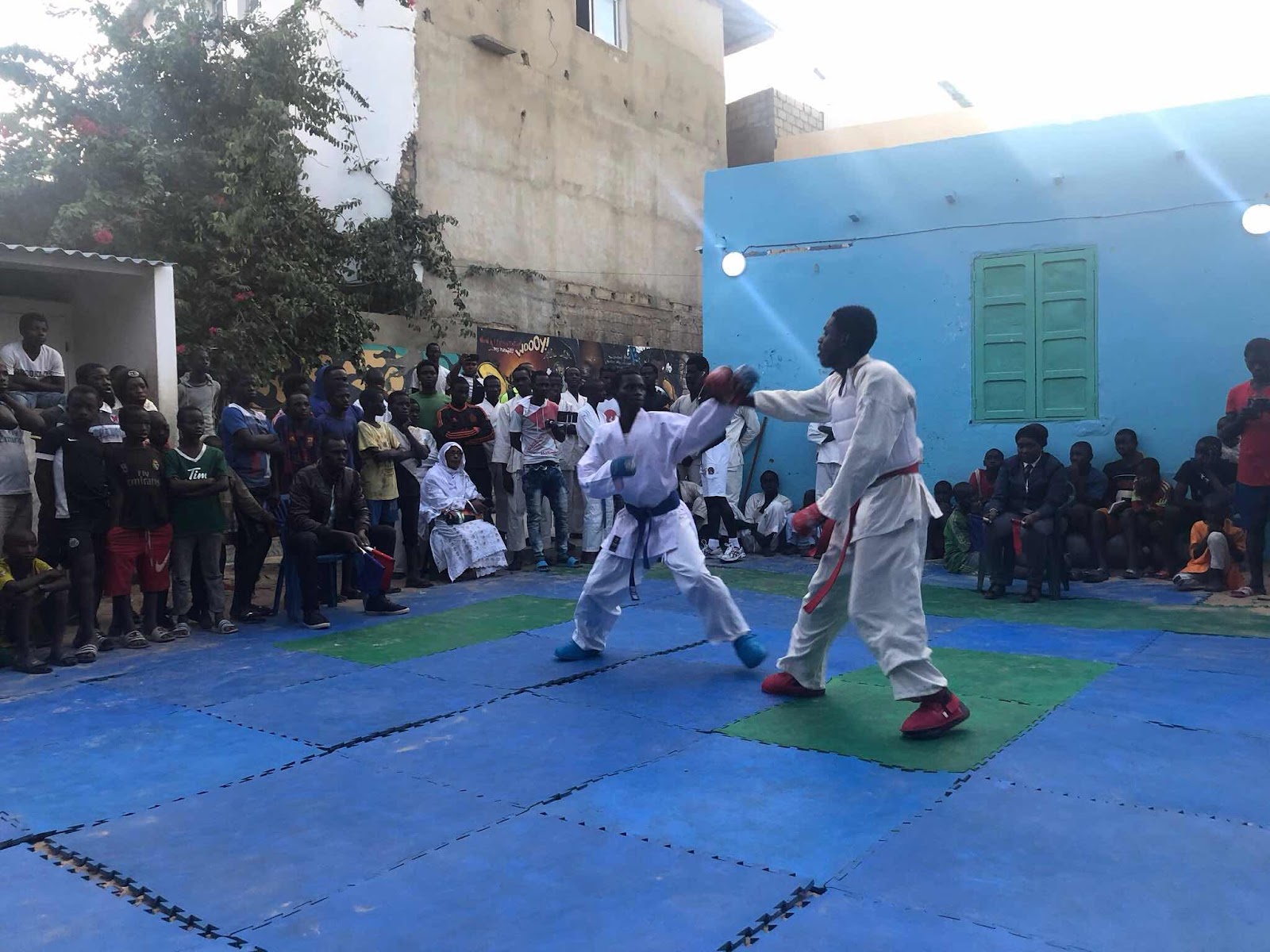
This December, excitement about karate was heightened as a few of Maison de la Gare’s long time karate students, Ahmadou and Adama, and the Center’s instructor, Bouaro were invited to compete at a rare International Karate Tournament being hosted in Saint Louis on boxing Day, December 26. Ahmadou and Bouaro competed in kata divisions, while Adama competed in kumité. For any martial artist, a karate competition is an exciting opportunity. For talibés, it is an absolute life highlight. More than an opportunity to excel at their sport and test their skill, competition tests a karateka’s perseverance, courage, determination, and offers incredible opportunity for personal growth. It is also an opportunity to shine on the mat. To be applauded as a hero, win or lose. For talibés who live most of their lives neglected, overlooked or pitied by much of society, the positive impact of applause and admiration, let opportunity to be in the spotlight can hardly be understood.


Bouaro, Adama, and Ahmadou enjoyed their glorious day of competition. Cheered on by Maison de la Gare supporters and their fellow karatekas, the day of competition will not soon be forgotten by the competitors.  And it will be remembered by the spectators who watched these young people putting everything they had on the mat, demonstrating their skill with unusual passion and determination, inspiring other talibés that it is possible to rise out of the invisible crowd and shine, that glory is possible if one is willing to work for it. 


There are over 40 of the talibés who are more advanced and particularly committed to elevating their karate skills, who are registered in the local dojo, Sor-Karate. They are anxious to renew their memberships at the dojo and be able to continuing to practice the martial art they have come to love, that offers them a sense of self worth, confidence, self respect, and belonging. January each year the karate licensing and dojo membership renewal fees are due. Continuation with the program depends on the generosity of international donors. A gift of $100 Canadian will renew a child’s karate membership for a year, enabling them to test for higher belts, and participate in a supplementary food program while training. More kids who have been participating in the morning karate classes at the Maison de la Gare center are ready to join the dojo as well. Their hopes being fulfilled will depend upon the generosity of donors. 


Thank you to our generous donors for helping to bring the opportunity that participation in martial arts offers, to the talibés of Maison de la Gare.


An Oasis During the Pandemic


In March of 2020 Covid-19 hit Maison de la Gare like a freight train. Our planned visit was cancelled at the last moment. International volunteers evacuated the country. Other planned volunteer visits and the revenue they bring were cancelled. Travel between regions was prohibited, trapping vulnerable talibés children in the cities in their darras. And, the cities locked down, instantly eliminating the source of food for tens of thousands of forced begging street children.


Early in the Pandemic, Covid-19 was not the primary danger in Saint Louis.  With travel and all activity stopped in its tracks, cases were few. But, the economic devastation was swift and deep. Many Senegalese lost their work and income. Many could no longer house or sufficiently feed their families. For the vulnerable talibés, already victims of abuse, neglect and modern slavery, things became so much worse. Within days of the first lock downs, the streets of Saint Louis were empty of all but hungry talibés, desperately sorting through garbage heaps for anything at all to eat. With the help of generous donors, Maison de la Gare was able to continue to pay its staff, but the Center had to close. The only refuge for thousands of talibés was lost to them. 


Maison de la Gare soon was able to pivot and respond to the new dangers to talibés. Neighbourhood cooks were rallied, international donors responded, and first hundreds, and then thousands of meals each day were cooked and delivered by Maison de la Gare staff and older talibés 


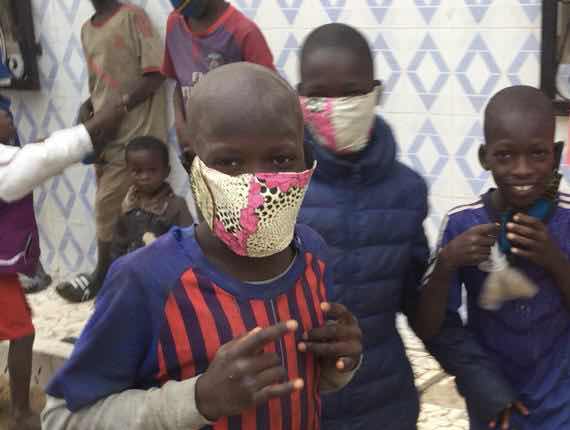
to the daaras where the boys lived. Starvation for many talibés was avoided after all. Apprentices in the Maison de la Gare couture program sewed massive quantities of masks. Maison de la Gare teams delivered cleaning supplies and masks to the talibés in their darras and taught them to protect themselves from the Covid virus.


As time passed, Covid did make its way more dangerously into Senegal.  After months of experiencing  few cases, economic activity began to  resume in Saint Louis. people returned to their daily business, even if at a diminished rate. Talibés went back to begging, the Center was able to open again. But, as vaccinations became widely available in the Global North, travel began to resume. And with it, Covid began to spread and take hold.


Now in Senegal, hospitals are full. So many people are sick, and everyone seems to know someone who has died of Covid. But, unlike in the North, the hope offered by vaccines is not available to most in Senegal. The supply of vaccines only trickles in, and Covid continues to spread.


But now, knowing how to better manage the risks of Covid, life at Maison de la Gare continues. Masked, and distanced, but it continues. Food and water and cleaning supply costs are higher than ever at Maison de la Gare. But, talibé children are able to tumble through the gates each day in twos and threes, or alone. They wash their clothes and themselves.  They enjoy a meal they do not need to beg for. They visit the infirmary, sometimes to have serious conditions treated, sometimes just for some much needed tender loving care from the health care workers. The put on clean, white uniforms and practice karate. They play soccer. They attend classes and learn French and math. They play, relax, and just get to be children for a few minutes or hours. 


Some of the Maison de la Gare team have managed to get vaccinated. Others are registered to get their jabs, waiting their turn. But, it could be a long wait. People are scared. And vaccines are scarce. Nevertheless, Maison de la Gare staff are doing all they can for the vulnerable talibés, most of who are too young to be vaccinated, even if the supply were available. We have often described Maison de la Gare as an oasis for the talibés. During the Covid-19 pandemic, the oasis provided by Maison de la Gare has proven to be more important than ever, offering more than hope…helping to sustain life itself.


Sunday, December 1, 2019

Alkaline

Sulayman with Abdou Soumaré

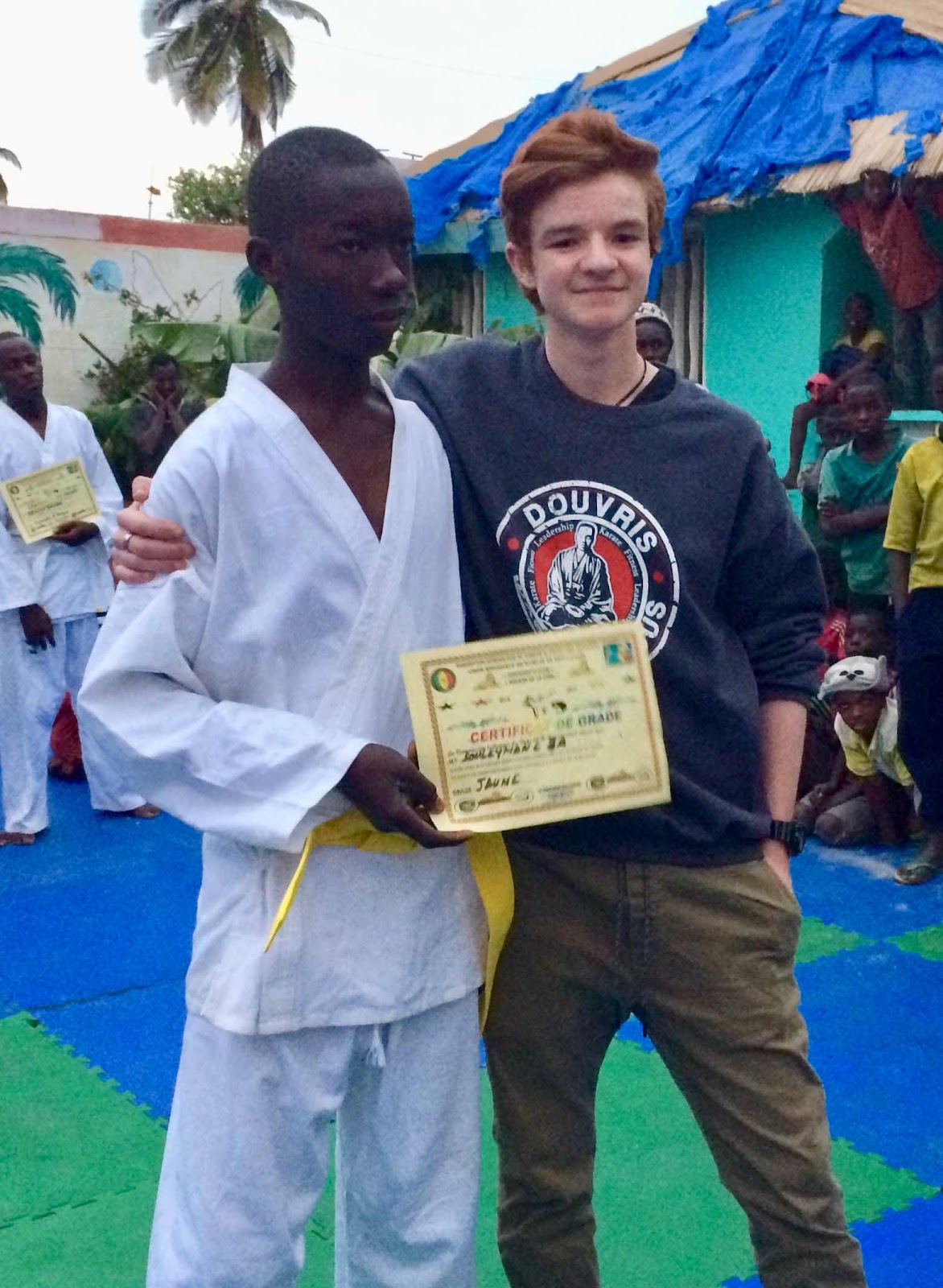
I have known Sulayman for over five years. He has always been a quiet, positive boy with a gentle spirit and a smile. He began with the karate program early. Robbie presented him with his yellow belt at a cérémonie de passage about three years ago. As he is originally from The Gambia, Sulayman speaks some English, and we always enjoyed conversations while hanging around the Maison de la Gare center.

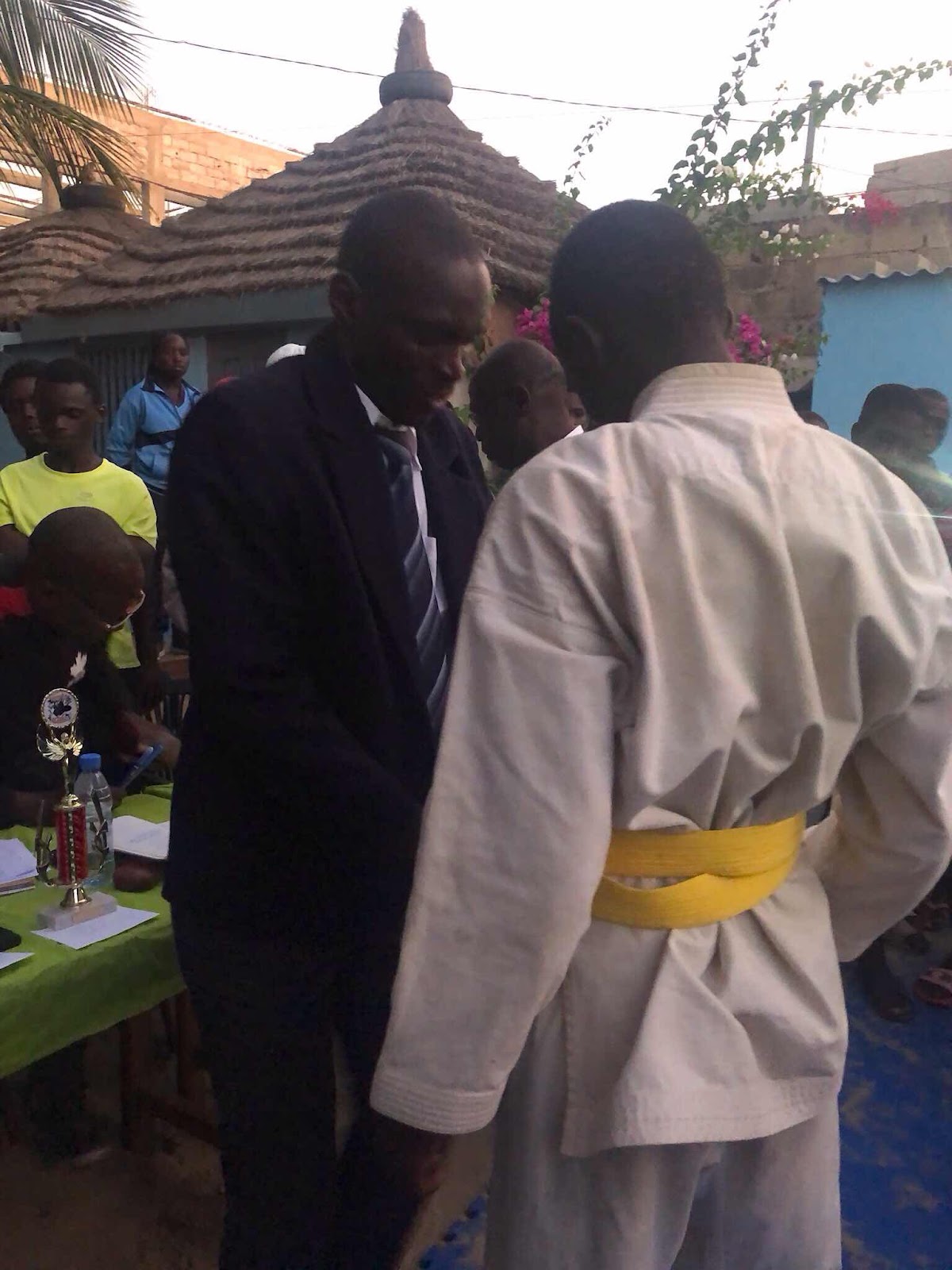
Robbie Hughes presenting Sulayman with his yellow belt in karate


Sulayman remembers that when he was a young boy he lived happily with three brothers and two sisters and his mother and father in the Village of Welingarau in The Gambia, until the age of six. 

Everything changed when his father died. Sulayman does not remember his father at all, just photos of him. Apparently Sulayman had once told his father when very young that he wanted to be a marabout. and his brother said he wanted to be a teacher. Sulayman has no memory of having said this, or of ever having wanted to be a marabout. But, Because it had been his father's wish that he become a marabout, upon his father's death his mother sent him to an Arabic school in a nearby Gambian village. His brother was sent to school in hopes of becoming a teacher. Sulaymane remained in the daara for nearly eight years.

Then, at the age of fourteen, Sulayman's mother wanted him to go to Saint Louis to be a talibé to better learn the Quran. So, he was sent by his Marabout to a daara in Saint Louis. Saint Louis has a reputation as a place to send one's sons to learn the Quran, among poorer villages, anyway. Perhaps many parents are unaware of the miserable conditions to which they are sending their children.

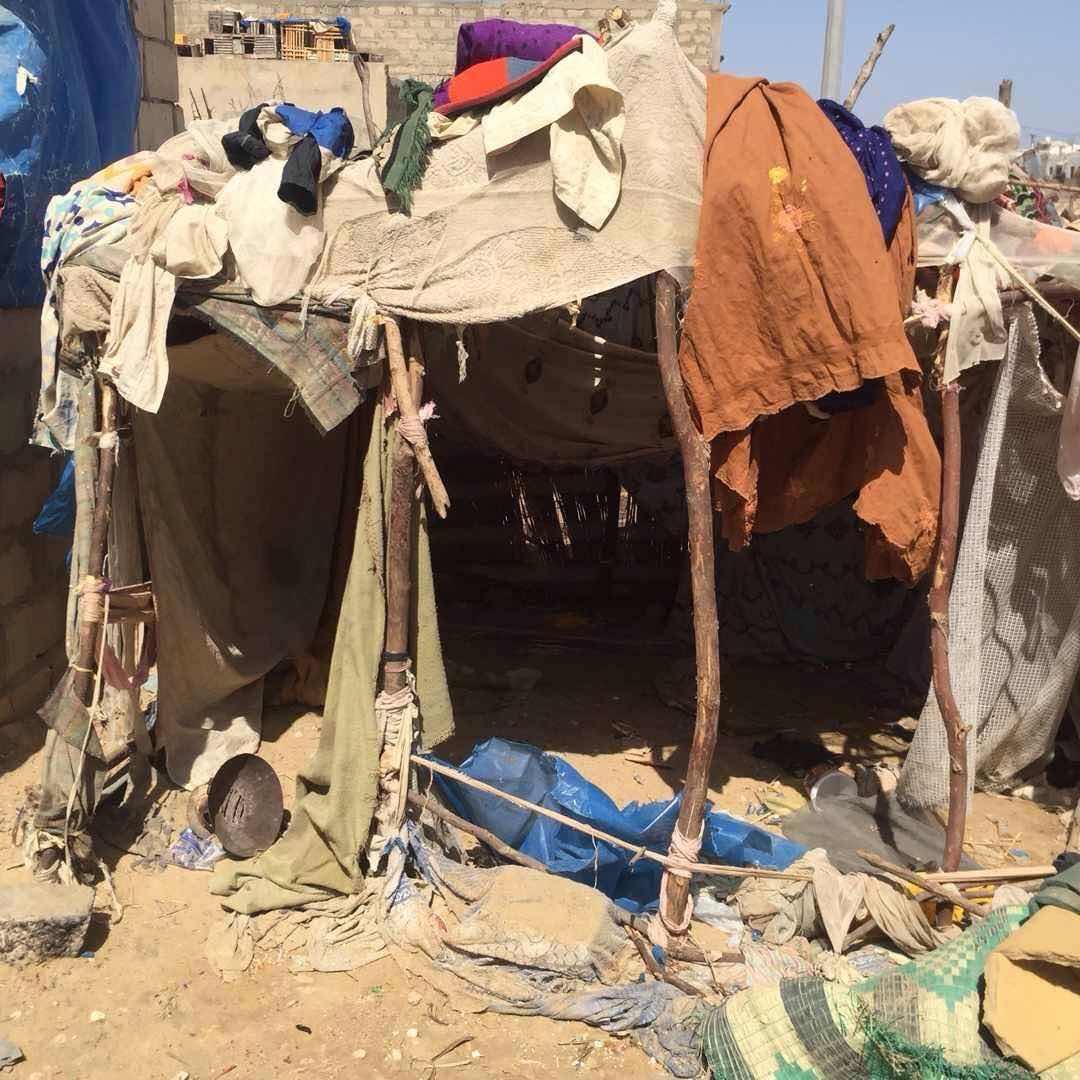
a daara Saint Louis, taken by talibé in transition, Elhage Diallo
a daara in Saint Louis, taken by talibé in transition, Elhage Diallo 

  Sulayman noted that all of the younger children were forced to beg for daily quotas of money. He only needed to beg or work for his own food.  None of the children, including himself were fed or offered any type of health care when needed. No one was sent to school. Sulayman did not like what he saw of how the children were treated.  He was taught the Quran during the day, but there was no place for him to sleep at night at the daara.  Sulayman spent the first three months sleeping on the street, in doorways of homes, getting little sleep as he needed to quickly move away when anyone entered or left the house where he was sheltering. He learned to ask for food from door to door to feed himself. Sulayman arrived from The Gambia with good clothes, but everything except what he was wearing was soon stolen in the daara.

Not too long after arriving in Saint Louis, Sulayman heard about Maison de la Gare and he made his way there. He saw the Maison de la Gare classes in session and he realized education could be the key for him. He spent as much time as he could at the centre, as life was much better there than on the streets or in the daara. He joined the karate program and earned his yellow belt.
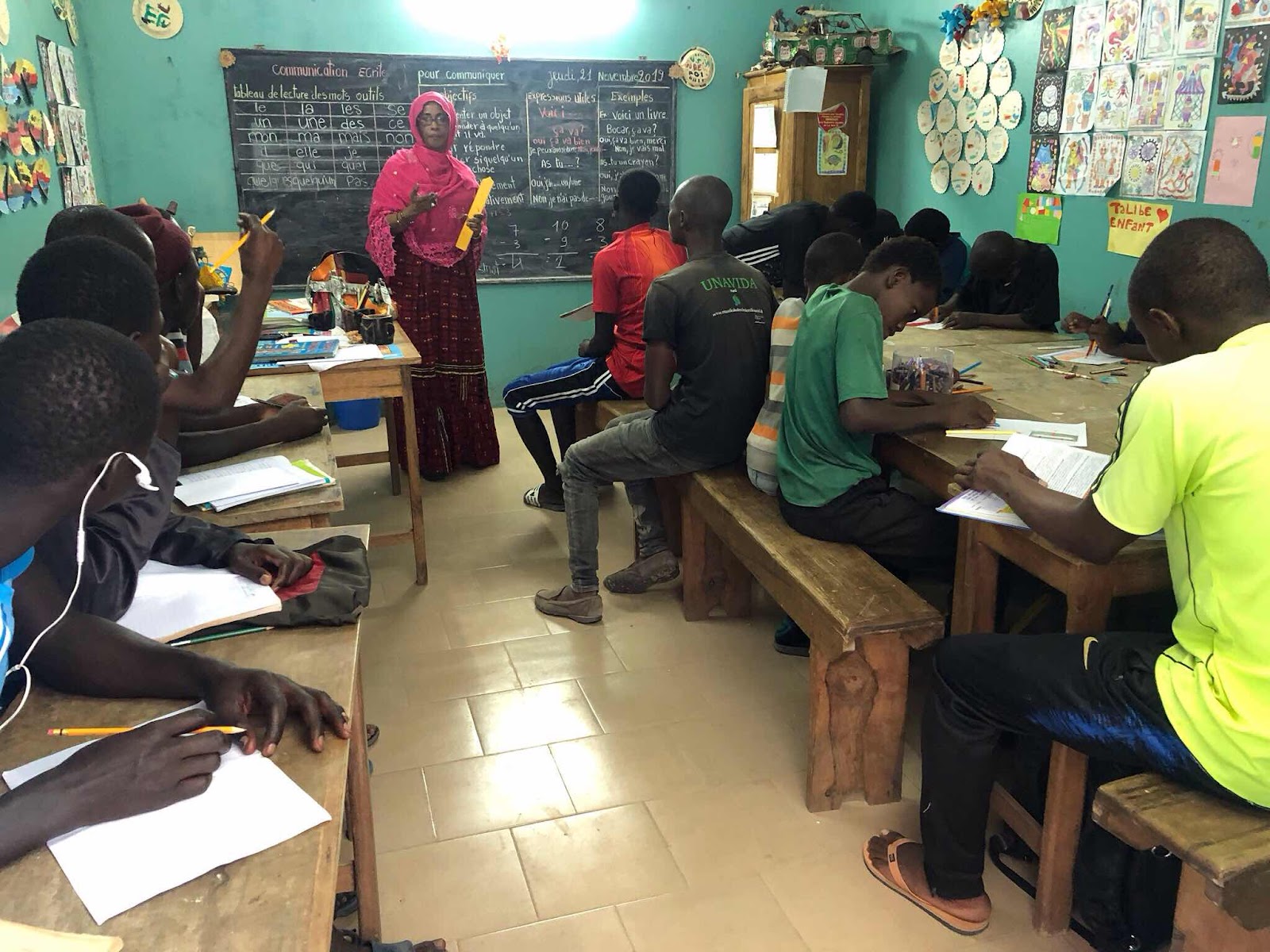
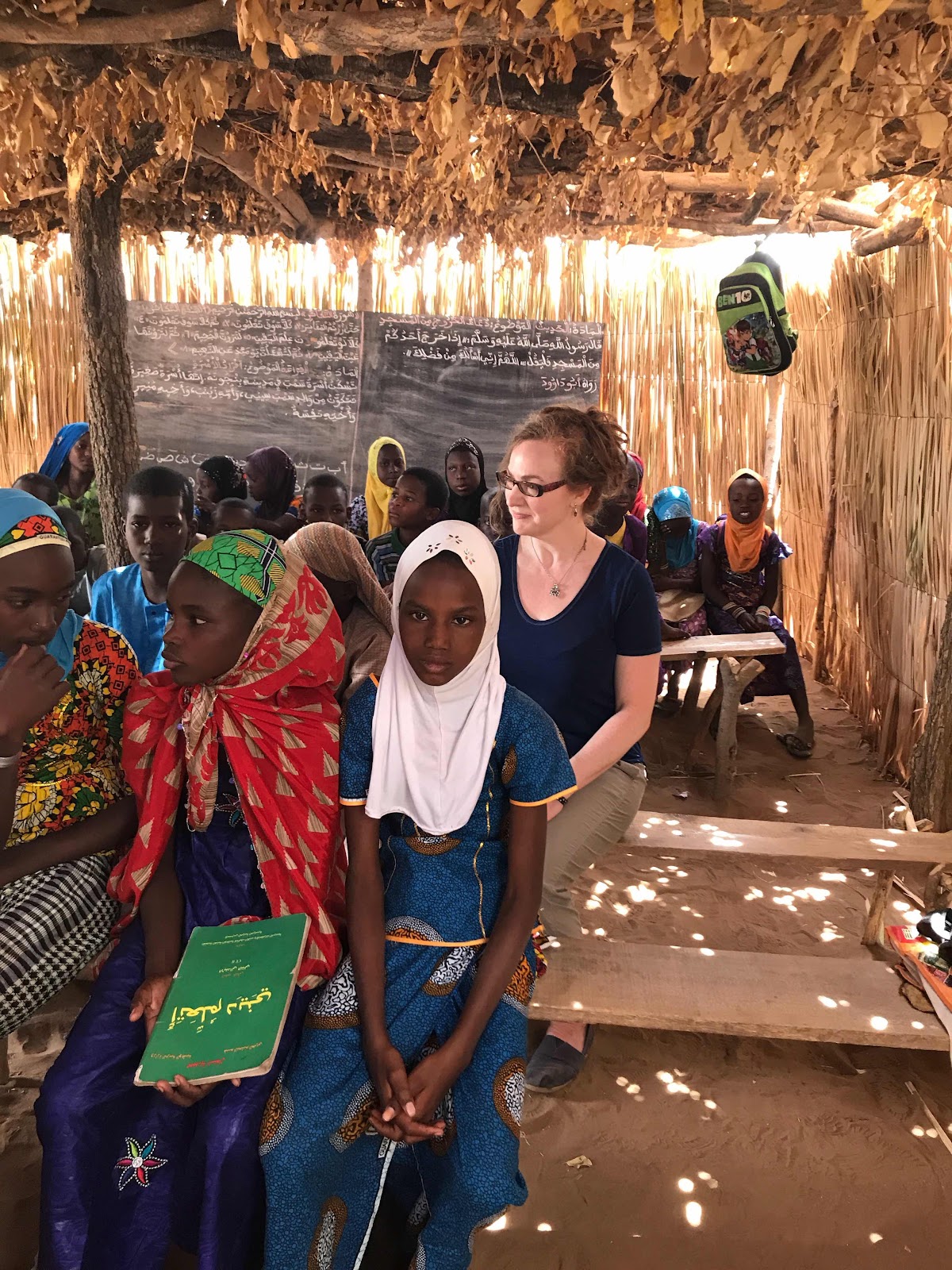
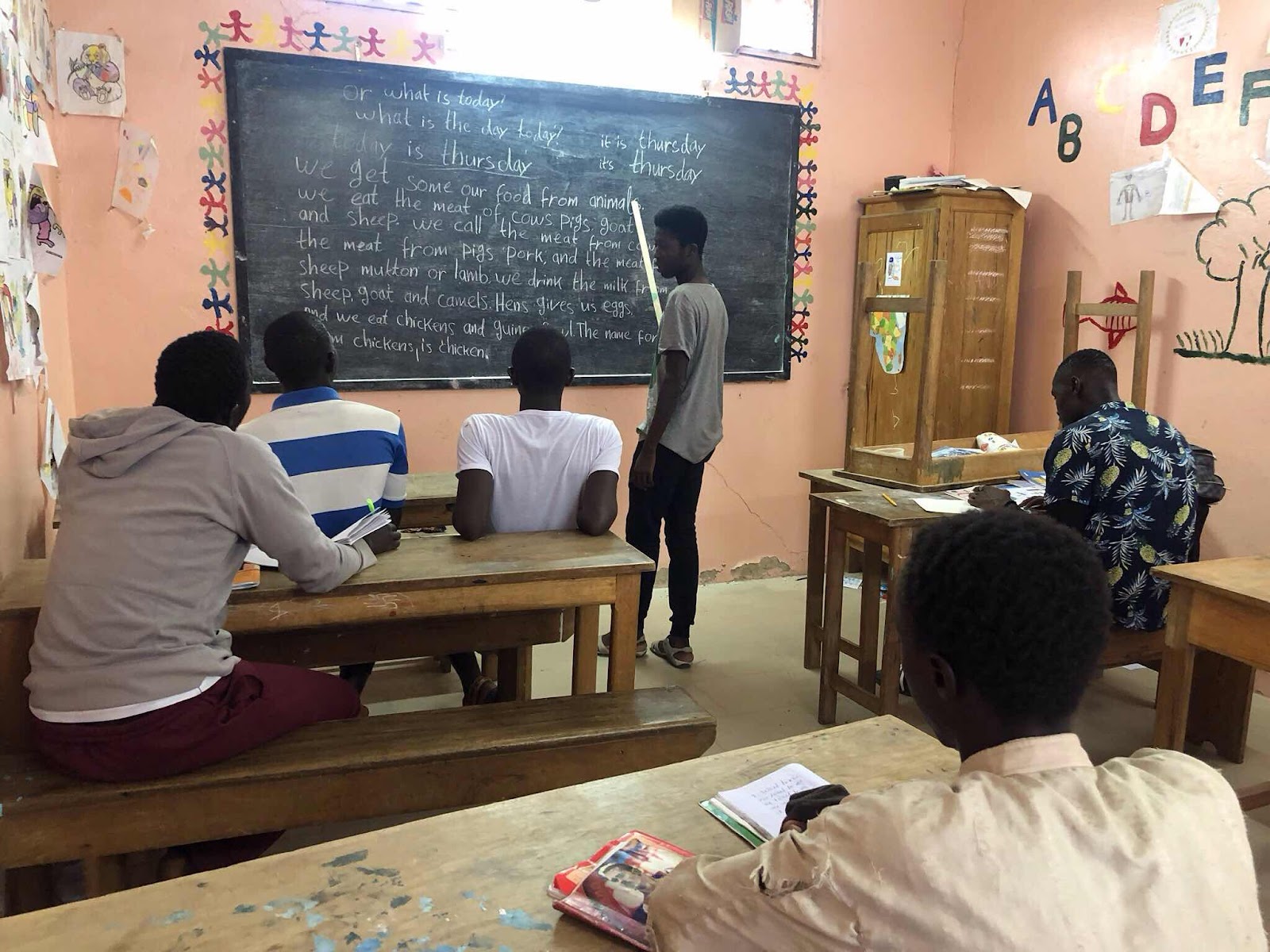
A Maison de la Gare classroom

After his first three months his marabout left for Casamance in the south of Senegal and Sulayman was able to sleep in the daara now, with more than 50 other boys. 

Sulayman was able to return to The Gambia to visit his family twice in 2015. After two and a half years living in the daara in Saint Louis Sulayman had had enough. He left, and from that time on has existed in Saint Louis by couch surfing with friends. Sometimes he would sleep at Maison de la Gare's emergency shelter. He spent as much of his time as he could improving his English and learning math, in Maison de la Gare's classes and in others offered by other associations. His goal was to learn enough that he would be able to someday be able to integrate into school in The Gambia. He supports himself working in the market helping to make cooking pots, operating the grinder to finish them. Sulayman earns enough money working to buy food. 

Some of the older talibés have given themselves knick names, which is how the international volunteers have come to know and address them. Sulayman has been going by the name of Alkaline. He is not quite sure why that particular name, but he likes it. Sometimes the names are chosen by a friend, sometimes they select them themselves. Perhaps in a world where the talibé are nearly invisible to society, this is one more way they can feel they are individual and in control.
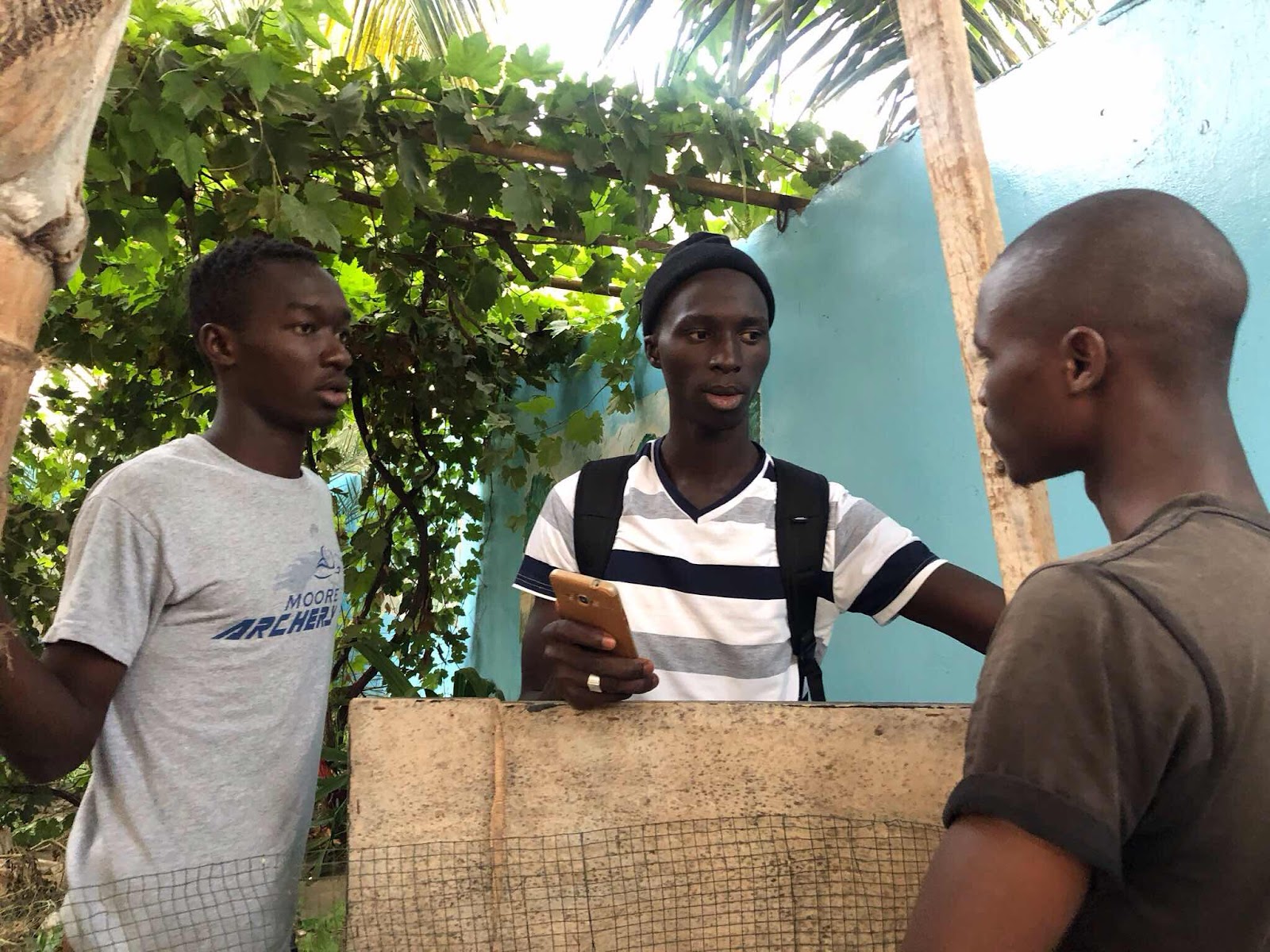
Tijan and Sulayman

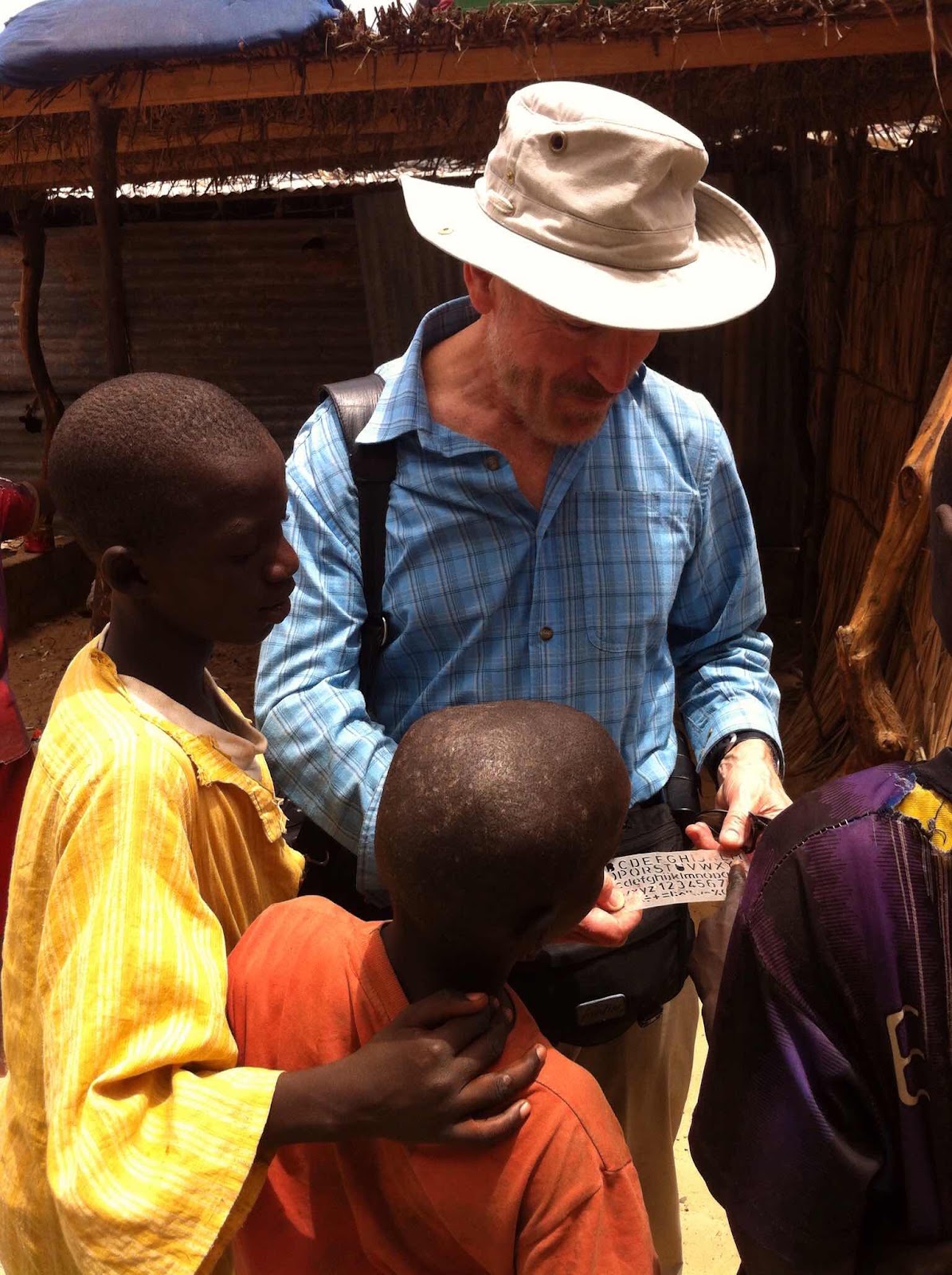
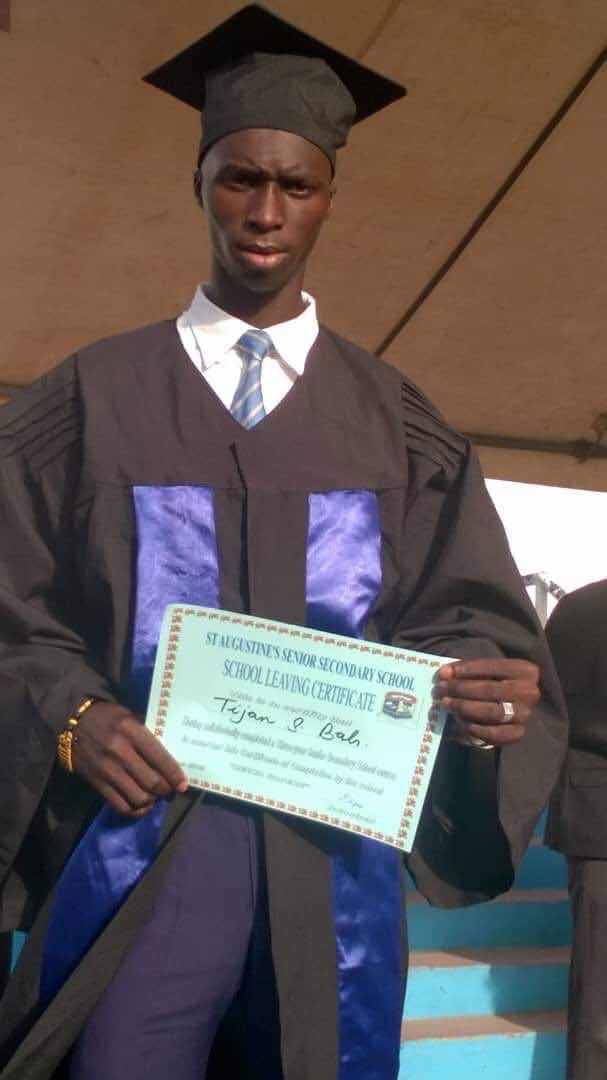
Since this summer Sulayman has been seriously considering the idea of returning to The Gambia to go to school. The lack of resources to pay school registration fees and the fear of the unknown has held him back. This week things changed when Tijan arrived in Saint Louis. Tijan had been a talibé who I first met about six years ago at Maison de la Gare, also from The Gambia. Tijan also had wanted nothing more than to become educated. About three years ago when I was in Saint Louis, Tijan confided that had been considering attempting to find his way to Europe, as he heard that minors who arrived there would be enrolled in school. We figured out how he could instead return to The Gambia where he had the right to go to school, but no practical means to do so. That was three years ago. This June Tijan graduated from high school and is now preparing to begin university, studying business and economics, in January. This week he had come to Saint Louis to see me and Robbie before starting university.
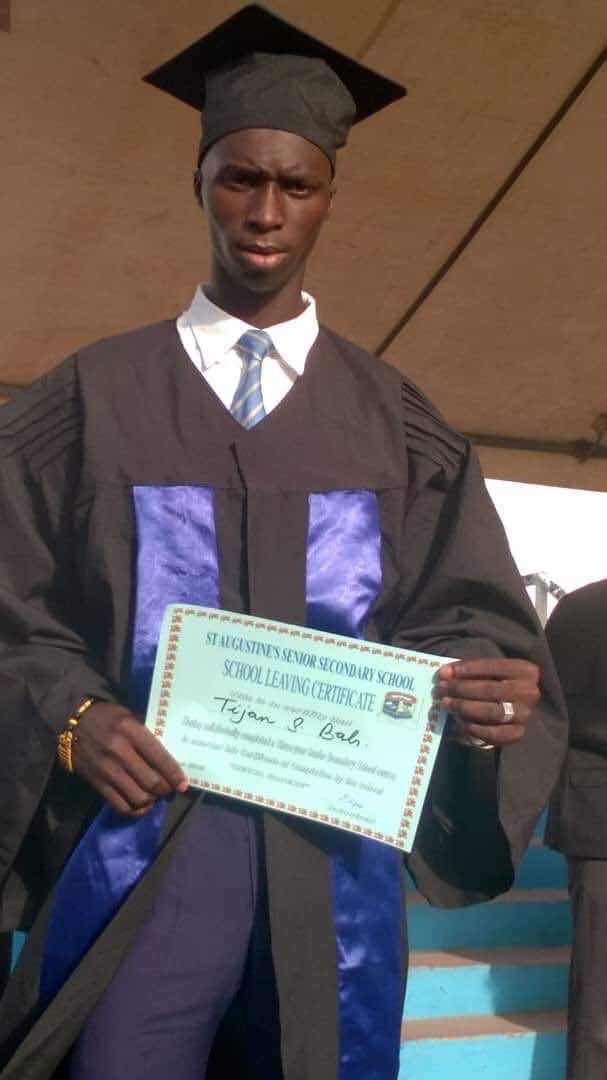
Tijan with his high school diploma

Sulayman, seeing Tijan's successful example, made up his mind that perhaps the seemingly impossible may be possible after all. The school he thinks he could go to is near his cousin's house. He is hoping to be able to stay with his cousin, eating two meals a day there. And, Tijan lives just 20 minutes away in case he needs help. A friend in Ottawa had given me some money for a person I perceived to be in need. I gave it to Sulayman to help him on his way. I gave him a school bag and some school supplies and set up an email account for him to ensure we could stay in touch.

The ongoing school fees will be a challenge. And, he is not sure his plan for living arrangements will be workable. But, he is full of hope and optimism. Sulayman is determined that his time is now. Before Tijan and Sulayman left, Issa, the President of Maison de la Gare, spoke with the two boys, offering advice. Sulayman also received much appreciated life advice and encouragement from Abdou, the head teacher at Maison de la Gare.
Issa Kouyate, President of MDG offering advise to Tijan and Sulayman

Tijan and Sulayman left Maison de la Gare together, excited about the future and we said goodbye.  Two days later I learned they had arrived in The Gambia. Sulayman has had a meeting with the director of his hoped for school. He can begin high school at the start of the next term, at the end of December despite his age of 21 years.  And, he has already found a math study group to join now to help prepare him for what lies ahead. And Tijan begins his university adventure in January. The future is looking bright.


Thursday, November 28, 2019

The Future is Bright in Saint Louis


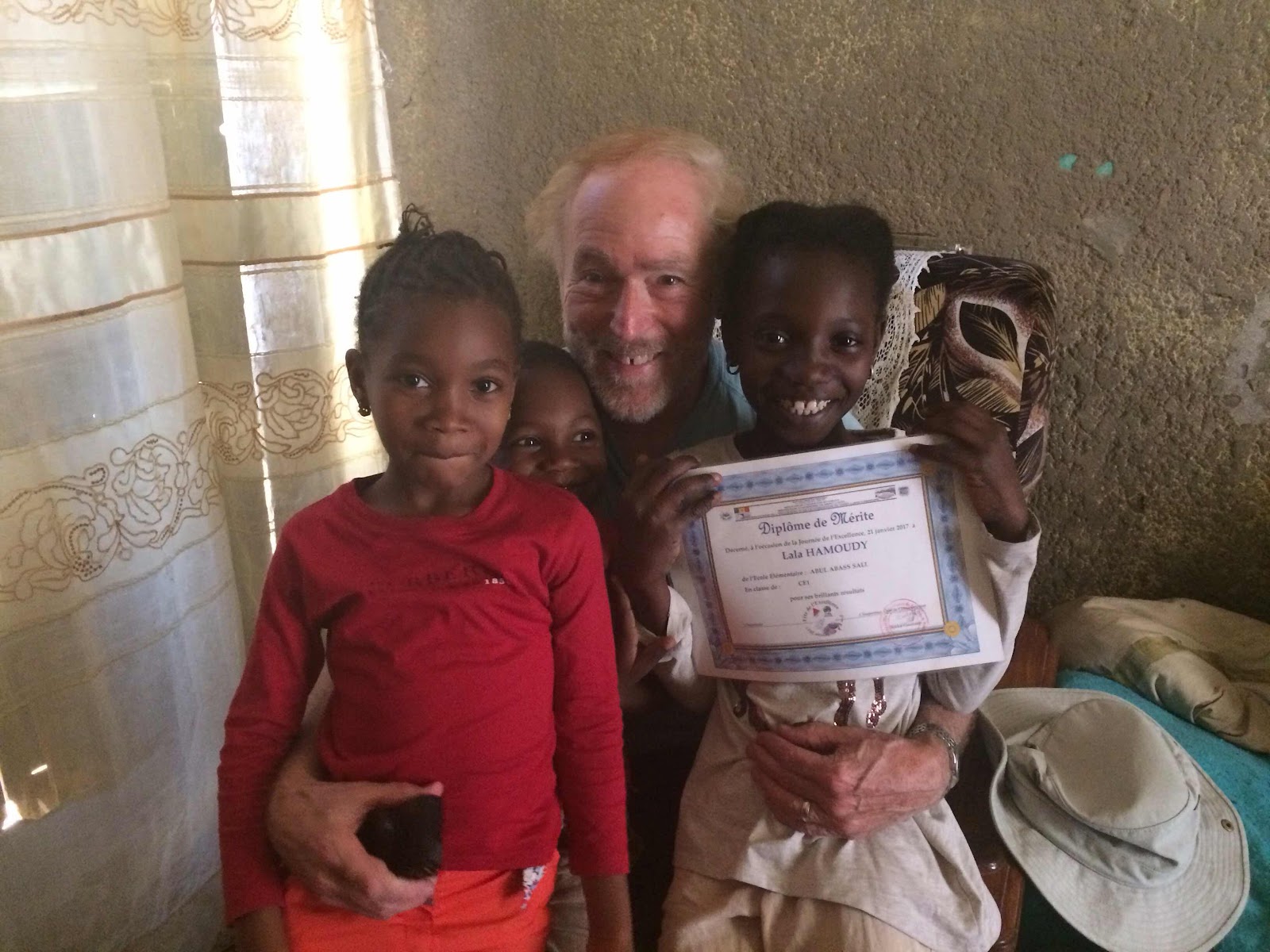
Saturday night a very special family joined us for dinner. I had been looking forward to seeing Oumou's six beautiful children  again.  Many years ago, long before the youngest, Mohammed had been born, we had visited  their home when our friend Samir welcomed us as guests. 

Samir had worked at our hotel in Saint Louis. He had been the first to welcome us on our very first trip. Each day I went for an early morning run around the island Samir would watch out for me. We had many talks about his pride for his children. The family was committed to the education of their children as their first priority. Lala is always at the top of her class, and Fadel usually is first or second in his. When ever we visited their home, all the children were proud to show us their exercise books and test results.


They chose to live in a very small, rudimentary two room house with a small sand courtyard in order to afford private school fees. Private school is not as what we would think of in Canada, but it does usually assure that the teachers show up and when they do that they do not spend much of their time on their smart phones. If one wants to advance to high school and succeed there, private school is nearly a necessity. It is not expensive, but for Samir, with fees to pay for three  children, it was a considerable burden. When the youngest at the time became old enough to be registered in school and Samir was not sure how he would cope, I began to help them out at registration time.

Two years ago Samir tragically passed away. His wife, Oumou, is not educated, and five of the children were under the age of twelve. The director of the school at first waived the fees for the older children. Due to their brilliance and promise, he did not want them to have to drop out of school. Extended family and Samir's former employer also helped out for a time. Working reselling charcoal and consumer goods, and cooking for neighbours, Oumou could earn enough to pay the rent or feed the family, but not both. Evntually the assistance trickled to a halt. Tragic stories such as this one are not uncommon here. Life, its hopes and dreams, can shatter in a heartbeat. Families adapt: children drop out of school, go to work, or the family breaks up to get parcelled out to live with and possibly serve distant relatives. This is the accepted way of things. 

But Oumou is different. She and Samir had sacrificed so much already for their children's' education. And, she is a fierce, determined mother with a will of steel.  She confided to me that her family would be separated over her dead body. So far, thanks to Oumou's perseverance and creativity and some help from Canada, all of her children continue to thrive in school and their happy family life persists, the children sheltered and protected lovingly by their mother from knowledge of the precariousness of their future.

Indeed, the optimism. and gratitude  in this family is almost shocking. When I presented the family with a Quran, gifted from a compassionate friend in Canada, Oumou was overwhelmed with happiness and expressed her belief that God has been so good to her family. So many in her situation would have a very different perspective.

The next afternoon, our dear friend Cheikh bounded joyfully to our hotel door to inform us of the birth of his second child. His wife was not due for several weeks yet and he had been anxiously preparing to return to his remote village in the bush. Their son came early, but both mother and child were healthy. Cheikh was over-whelmed with joy and gratitude, and hopes and dreams for his family.


 Cheikh works as a street-side cobbler in Saint Louis. And, just like Oumou,  he is the type of person who is optimistically willing to move mountains for his family and his community. From the example of Maison de la Gare Cheikh had the idea to build schools in the region of his village to offer local families  with little means an alternative to fulfil their wish to give their sons an education rather than send them to a daara in a distant city. The schools have become a Maison de la Gare supported pilot project to end forced begging. Most of the villages in the region have stopped sending their boys to the city to be talibés.  And, Chekh has found and returned many of the talibés from his area who were in Saint Louis back home. A happy effect of the schools is that now, for the first time,  girls are benefitting from an education  too, along side the boys.  Cheikh even thinks that with the return of young boys it will be less likely in future for girls to be  polygamously married off to older men. In fact, he is so optimistic for girls that Cheikh had hoped for a girl this time. But, of course he was just as grateful and over joyed to have another boy instead.

Despite the ever present reminder of the harshness of fate and the precariousness of happiness in the oppressive and abusive forced begging talibé system, optimism and ingenuity are alive and well in Saint Louis.


Sunday, November 24, 2019

A Time to Shine


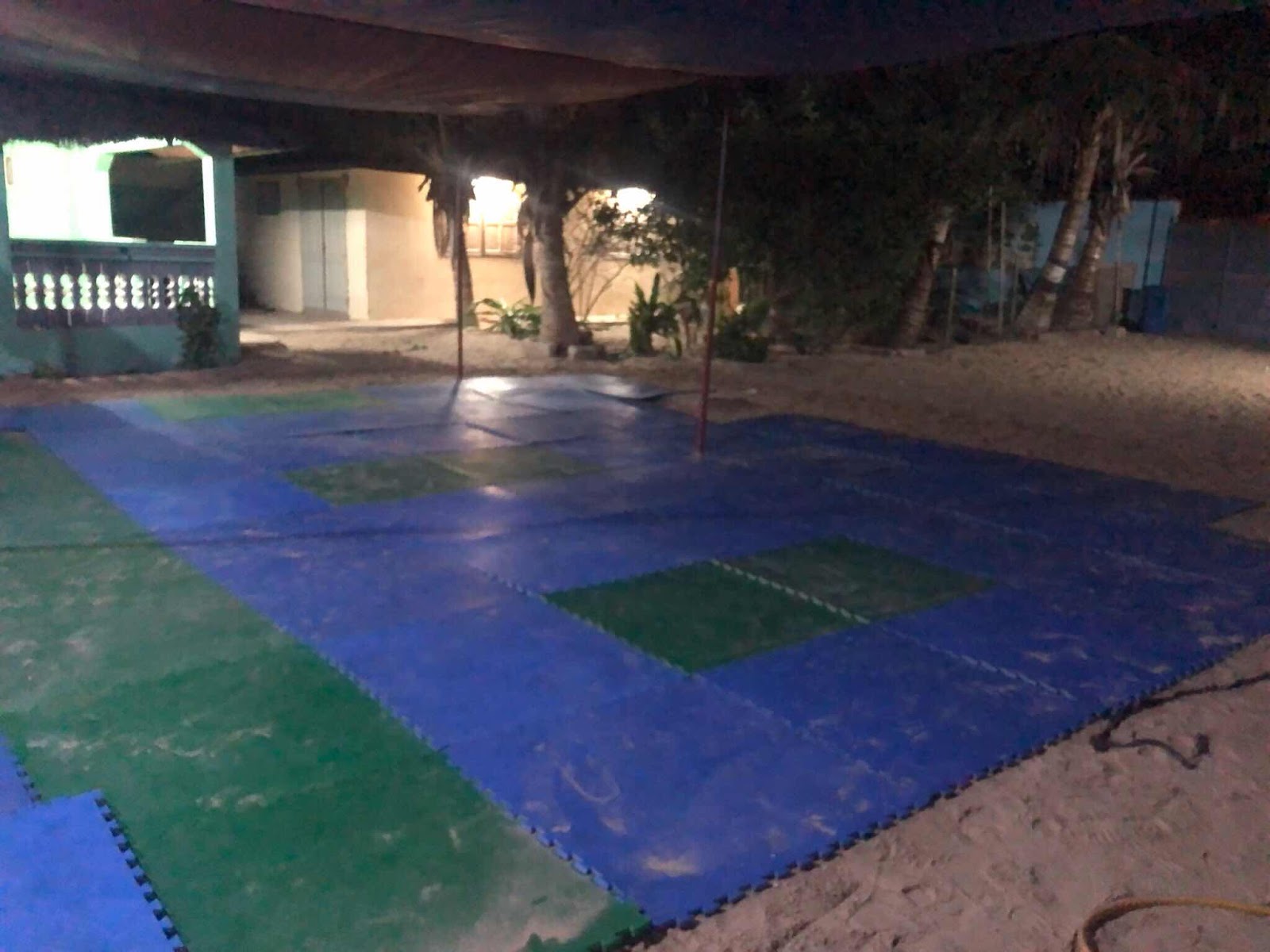
As the sun set before tournament day the Maison de la Gare-Sor karate kids set up the mats in preparation for the highly anticipated third Douvris Cup Classic. They had been delivered earlier that evening by horse drawn cart. Bouaro and I had compiled the lists of competitors earlier in the day, of the first four divisions planned for the morning. 20 young kids, white and yellow belts for kata and kihon. And, 11 older white belts also for kata and kihon. We were not sure who would be competing in the afternoon kata and kumite from among the more advanced dojo kids, and would need to wait to see who presented themselves to register. Bouro estimated perhaps 15.


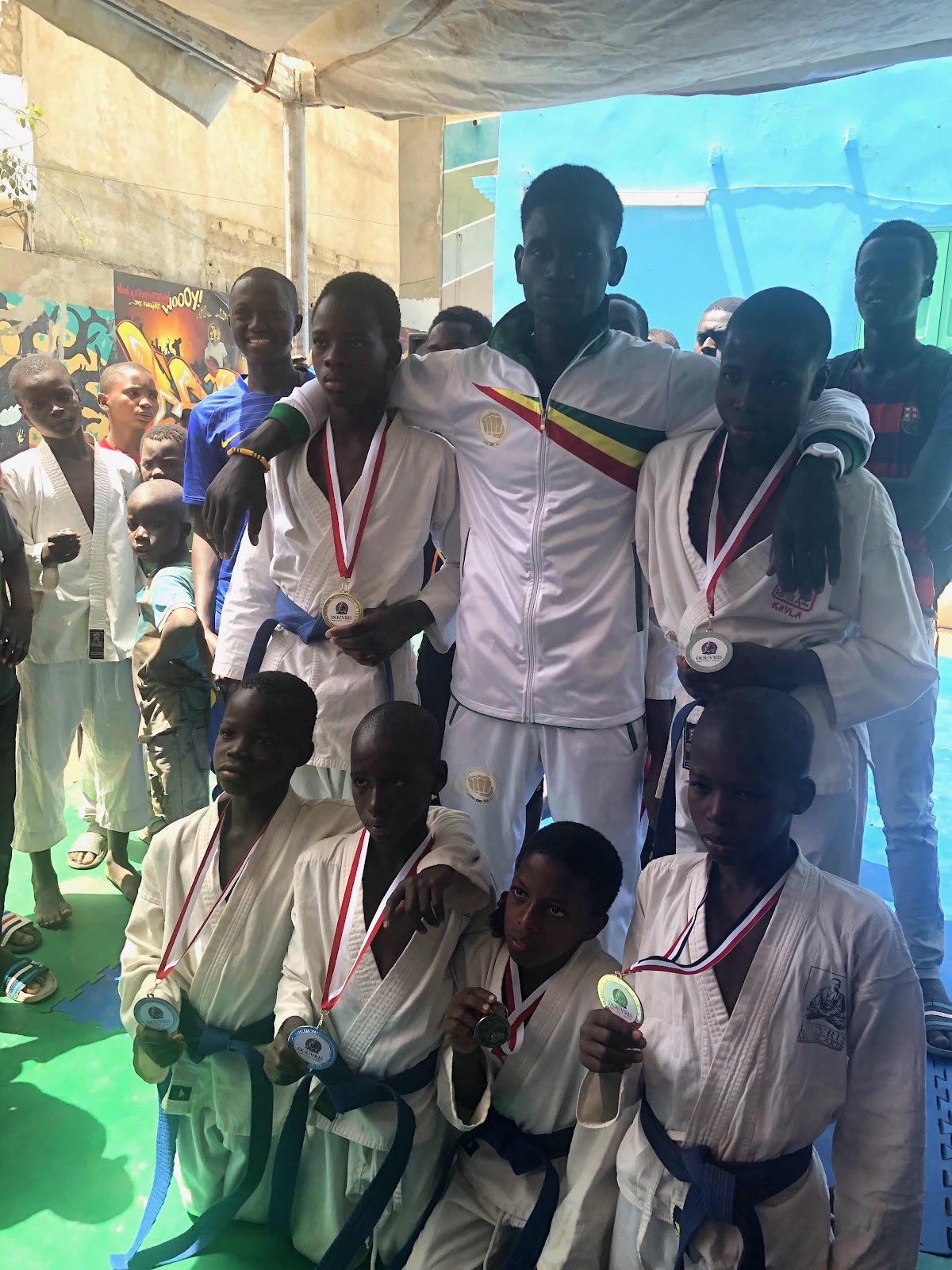
Douvris Martial Arts in Ottawa had donated enough medals for all the participants. And, I had brought with me the names engraved on plaques of the previous Douvris Cup winners to add to the trophies. Robbie's final two WKC Championship sweaters would be given as Grand Championship prizes, and Douvris t-shirts for the runners up. 


As the sun rose on tournament day I could almost feel the nervous excitement of all those talibé boys. About half of them had competed in previous Douvris Cup Classics. For the rest, it would their first time ever being in a positive spotlight, with an opportunity to shine and be rewarded for it. To show they are individuals with the ability to persevere and excel at an activity of their own choosing, based on their own hard work and determination. For the gold medalists and 2 grand champions, true glory awaited.

Robbie and I arrived at the center around 8:30am. The person with the keys to the room where the gis are kept and the classroom where the tables and benches were had not yet arrived. The kids set to compete in the first divisions were present and were busy sweeping sand off the mats and setting up a tent in anticipation of the full burning sun later in the day. 

Eventually the keys were found. As the boys donned their gis, Robbie and I set up the prize tables and laid out the medals and the Douvris Young Guns Cup. The Douvris Cup for the older dojo kids was in Dakar, where the previous two time winner, Ahmadou Diallo had proudly taken it to his family. I knew there would be a chance he had not yet returned it so we brought a temporary stand-in trophy donated from a Douvris student to replace it. Talibés helped set up benches for spectators, happy to be part of what was about to happen. The WKF sanctioned referees began to arrive, professionally sporting suits and ties. The chairs were delivered in the nick of time, a referee was positioned in each corner. Sensei Ignéty Bâ of Sor Karate presided at the head table, score sheets ready. The referees bowed in the competitors. The first pair of kihon competitors was ready to begin.


As each person stepped on the mat for his turn to compete, their expressions ranged from palpable excitement to anxious anticipation to deep, focused concentration to steely determination. The kihon instructions were called out in Japanese. All the boys correctly recognized the instructions. None mixed up soto-uki with uchi-uki or oisuki with jatsuki. Each time the flags were raised, either blue or red, the expressions changed: in each pair one deflated and the other became exuberant.

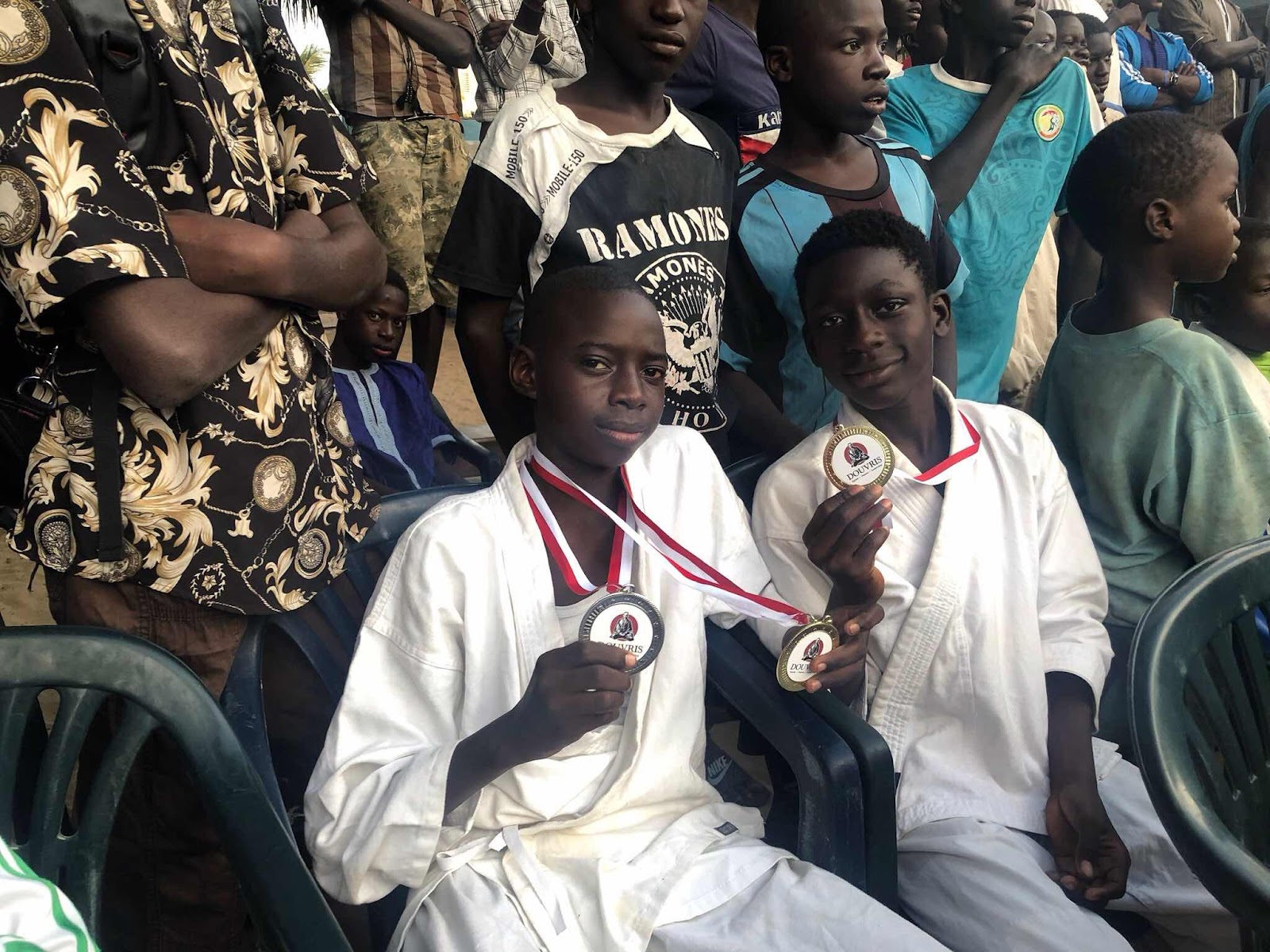
Eventually fourth, third, second and first were determined. Then, the process was repeated for kata. At the end of the first two divisions we awarded the placing and participation medals. But, the presentation of the Douvris Young Guns Cup would have to wait. The next two divisions of Young Guns, the older white belts who practice at the Center in the morning (and are not registered in the dojo at night) were not all present. Apparently some had been told they would not be competing until the afternoon or had responsibilities at their daaras they could not escape. So, we broke for a mid-day break and prayers (Friday is the day most visit the mosqué). 

Ahmadou Diallo arrived to watch the tournament (without the Douvris Cup). Upon presenting himself to Sensei Ignéty Bâ, Sensei insisted he compete. Ahmadou had not prepared diligently to his own high standard and had already decided not to attempt to defend his title. But, out of respect for his Sensei, Ahmadou put on his gi and prepared himself to compete for the third time. Robbie took Ahmadou aside to help him warm up and advise him on his kata choice and execution. After a few run throughs and adjustments, Ahmadou's confidence and determination seemed to have been restored and he was ready.

At 4 pm we reconvened. The second two divisions of Young Guns were dressed and ready to go. 9 of the anticipated competitors competed. Maybe the nerve of the other two had failed. Maybe their marabouts had detained them, it was impossible to know. 

I was astonished at the skill and focus of these white belts. This competition clearly meant so much to them. During the competition for third and fourth place one of the missing karateka presented himself, out of breath. His marabout had given him many jobs to do and he had not been able to get away until completing his extra assigned labour. Unfortunately, at this late hour there was no way to fit him in. He would have to continue dreaming of his next opportunity for now.


The same candidate won gold for kihon and kata. He would be the Grand Champion of the Young Guns, supplanting the morning winner of one gold and one silver. But, none of them realized this yet. First, the two divisions of dojo kids would have to compete.


There were 17 dojo talibés competing. The katas were beautiful to watch, each one a triumph to me. After the finalists were determined we moved onto kumité. By this time the crowd of spectators had grown to several hundred. The cheers that accompanied every hit were sometimes deafening. For both the kata and kumité finals it came down to Yaya and and Ahmadou. Yaya, whose membership has been sponsored by Douvris Barrhaven since nearly the beginning, has devoted himself to karate and he had markedly improved since the last Douvris Cup Classic. Yaya won gold in kumité and Ahmadou won gold in kata. Once again, the competitors would have to await the presentation of The Douvris Cup to know who the Grand Champion would be.

But first, the presentation of certificates and belts to the successful candidates of the last grading. several yellow belts were awarded, Ahmadou received his blue belt!


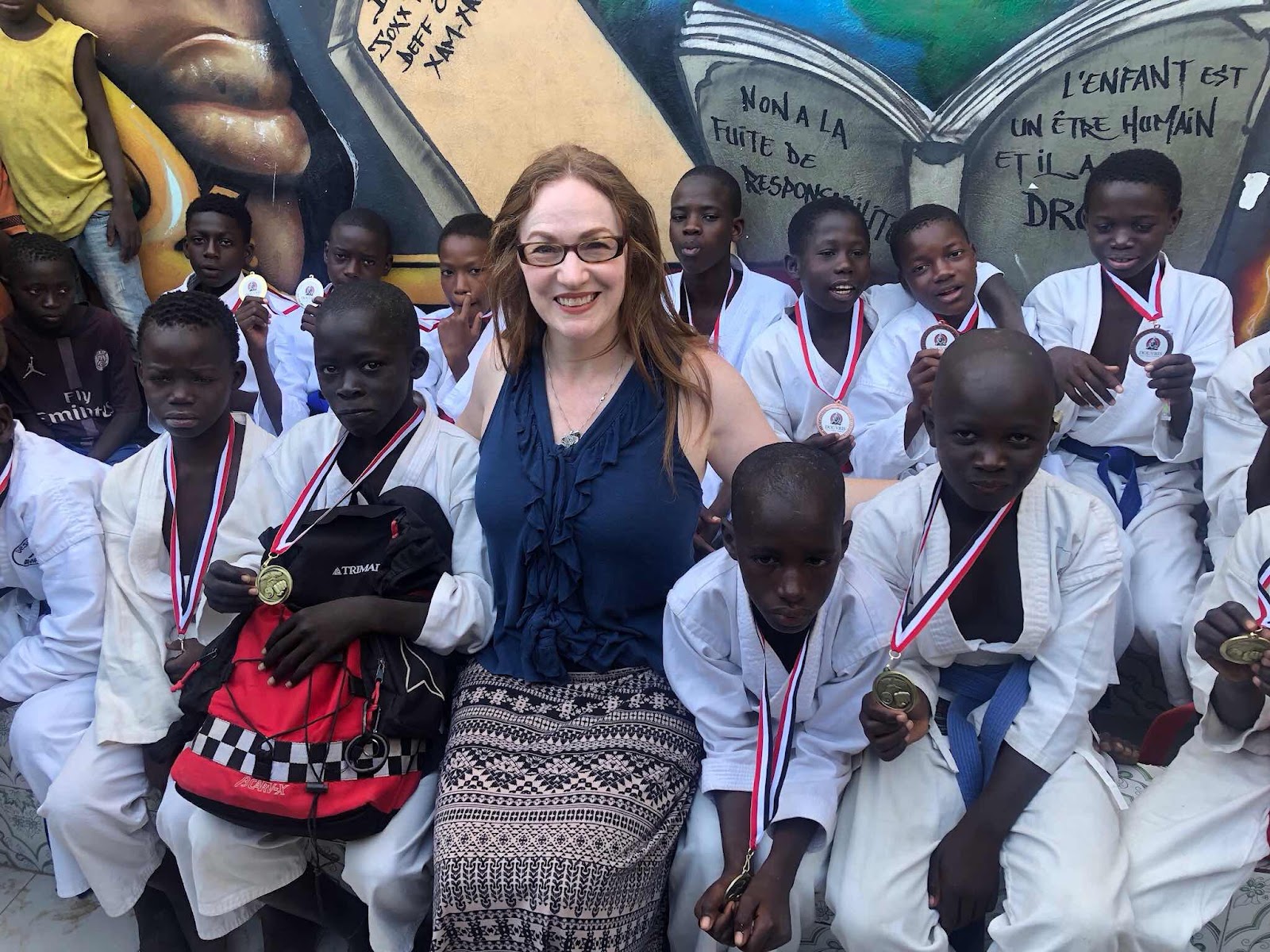
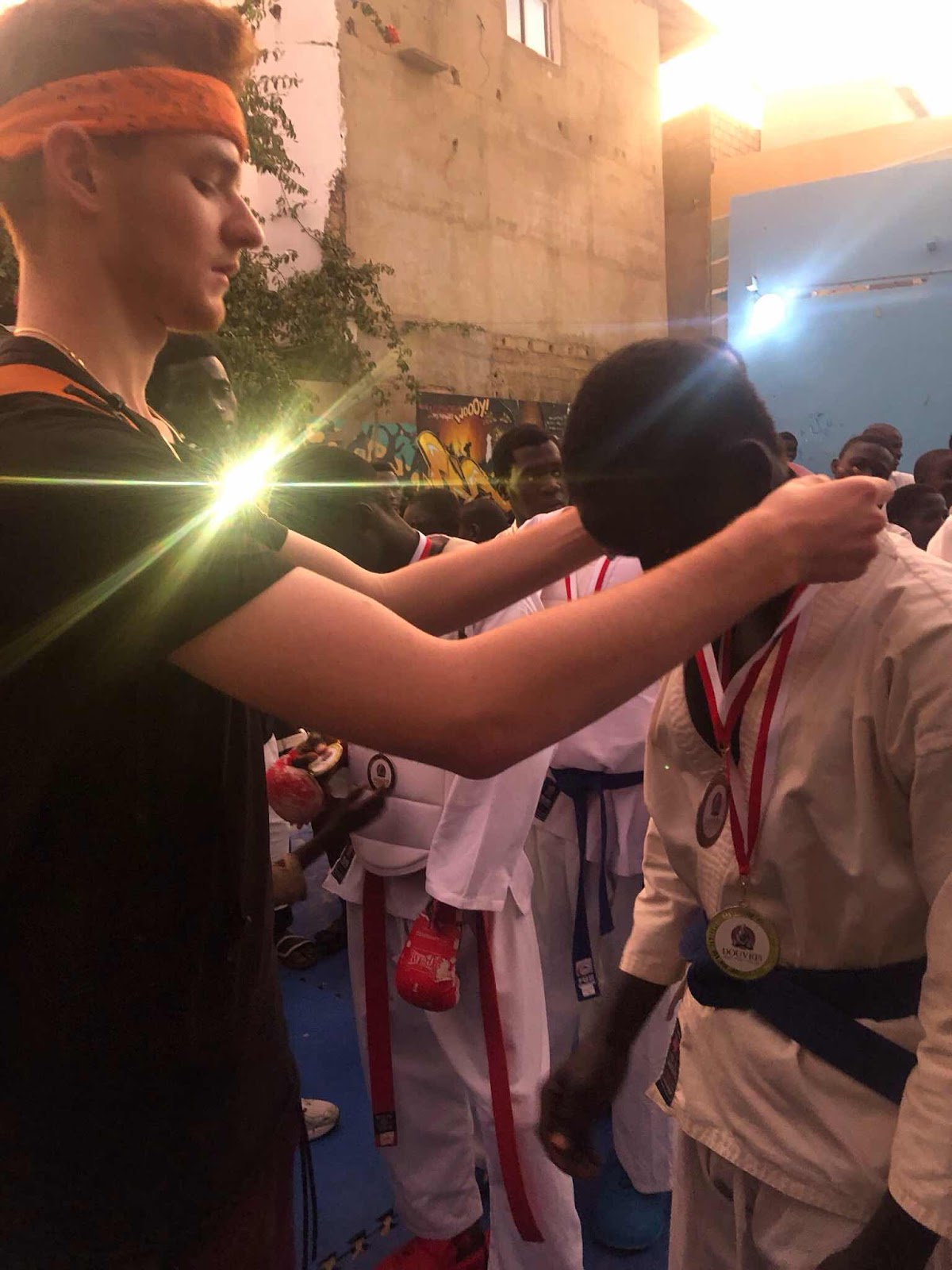
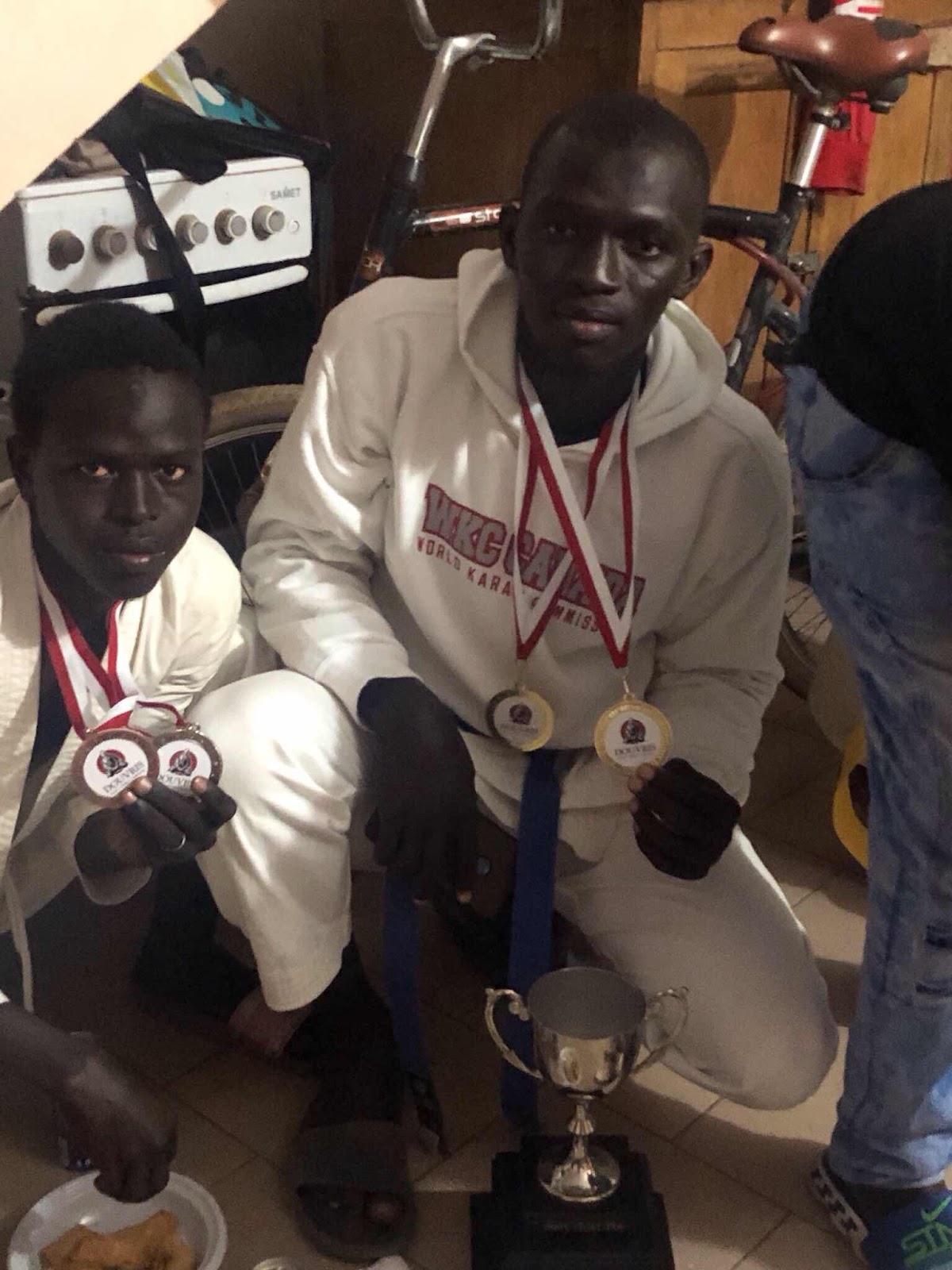
By now dusk had fallen. The head of the Regional WKF Karate Federation assisted in awarding the medals. He respectfully asked Robbie to present the gold medals. Finally, it was time for the Douvris Cup and Douvris Young Guns Cup presentation. Adama Drammeh was the new Young Gun Champion. When we return next time, his name will be engraved on the cup beside the previous winners, Seydou Ba and Omar Sow. This clearly was the first tine Adama had experienced a triumph such as this or won a prize. Despite the 32C temperature, he would not remove his new WKC sweater. And, I expect he is still wearing his two gold medals. Ahmadou Diallo was exhilarated to receive the Douvris Cup title once more. I showed him the two name plates to put on the Cup for his previous wins and explained he had now earned a third, which I would bring next time I returned. He promised to bring the Douvris Cup back to reside at MDG well before the next Douvris Cup Classic. I told him he would be able to keep the other temporary trophy permanently in exchange.

A feast for the tournament competitors was presented. It seemed the rewards and the accolades would never end. Surely in the hearts of these boys, this day and these feelings will be permanently imprinted.


The courage, confidence and self assurance of these talibés has been uncovered and locked down thanks to karate. Even if due to circumstances they cannot control, any of them are unable to continue in the MDG-Sor karate program, they have learned what they can control. They will never lose the gifts karate has given them. Each of these boys has been forever changed for the better.
Saturday, November 23, 2019

Like Coming Home


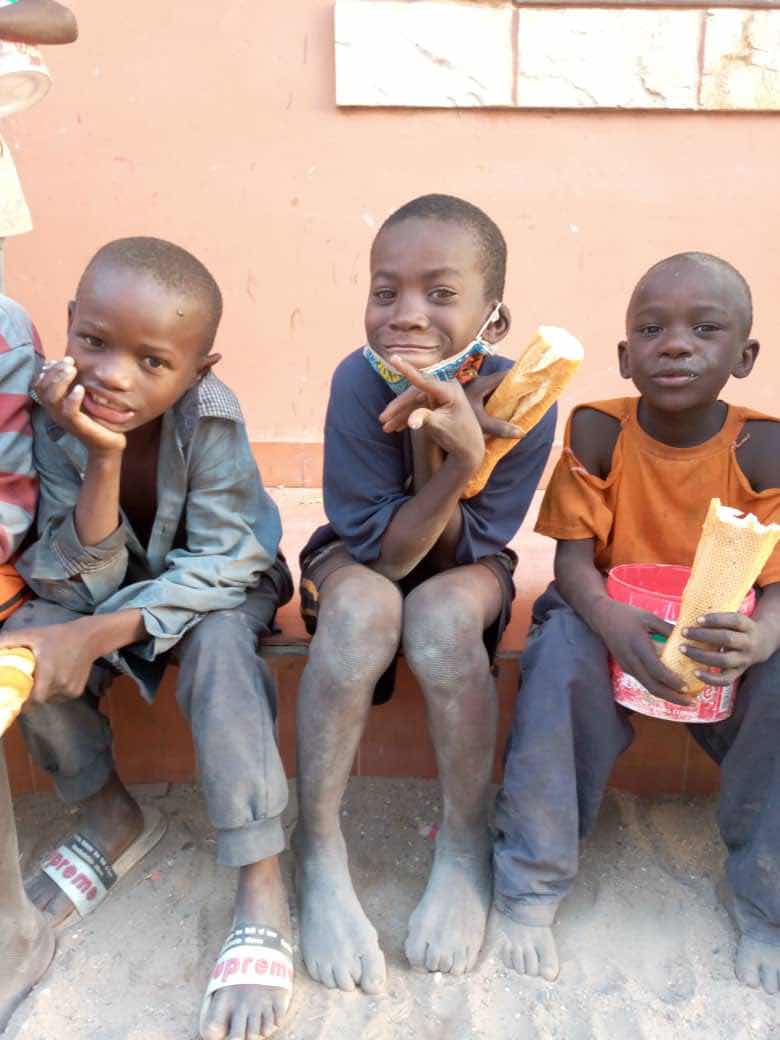
After arriving in Saint Louis we made our way to the Maison de la Gare Center. On the way we passed several groups of talibés: barefoot and in rags, carrying their begging bowls. They could not have been any older than seven or eight. A few talibés were on their own. Isolated in so many ways. unseen or detested, possibly pitied, by society. Abandoned by family. Neglected and tortured by the marabout to whom they have been entrusted. Existing void of affection or love. Their only friends are each other. And, Maison de la Gare.
It felt familiar and somewhat comforting walking up the alley toward the gates. We knew what awaited us inside: shelter, peace, welcome and friendship.


One of the first faces I saw was my friend Tijan. He had travelled from The Gambia to meet me. It was a joyous reunion. Tijan had been discussing the merits of an education with my friend, Souleymane. Souleymane has been a talibé for many years. And, he has been a karate student for years also. Robbie had the honour to present him with his yellow belt two years ago. Souleymane is seriously considering returning to The Gambia, as Tijan did, to enrol in formal school. He understands it will not be easy. Tijan, who has recently graduated with his high school diploma, has ensured Souleymane understands the challenges and the long road that awaits him if he chooses the path of education. Souleymane has made up his mind. He is going to do it. He has somehow developed enough confidence and self assurance to take this risk of the unknown in pursuit of a better future. Perhaps karate offered him this gift. Perhaps it was in him all along and karate helped him uncover it. Tijan's example showed him the impossible can be possible.


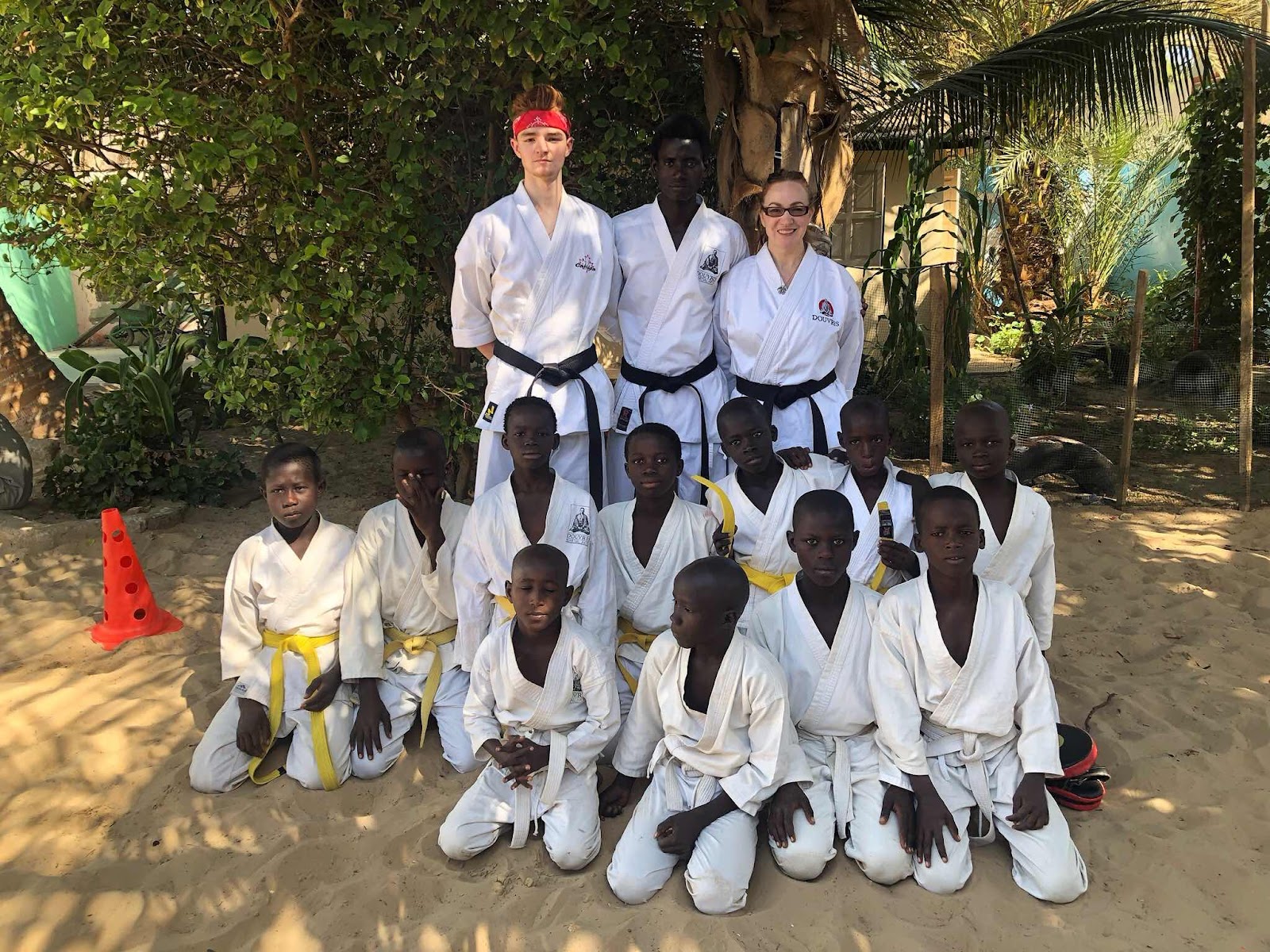
The next morning we returned to the centre, knowing there would be a karate class. As Robbie and I stepped through the gates carrying duffel bags filled with uniforms and karate supplies, the karate class that was newly underway came to a jolting halt. The karateka rushed us, calling "Sonia" "Sonia" Sonia" "Robbie". Bouaro's face lit up when he saw Robbie. The kids all reached out at once to touch or shake our hands. Then off they ran with the bags to put them away. The new students who had been waiting for Gi's dressed and so did Robbie and I. After we were bowed-in Bouaro asked Abdou to help translate the sentiments of himself and his students about how happy they were to have the karate program, and how it helps sustain them through their challenges. 


I brought out photos of some extraordinary philanthropists back home. I explained (again with Abdou's help to be sure I was understood) that children from our dojo,  Kaylie and Keagan save every penny they earn all year long to be able to help them have the chance to do karate. And Anna eschews birthday gifts and presents, asking only for money to help talibés become Maison de la Gare- Sor karate kids. I explained how these Douvris karate kids love karate and also think about and love the talibés so much that they want to be able to bring them the gift of karate.

The children seemed shocked to hear my words. A few already knew of Kaylie and Keagan but most did not. Such a huge and impossible thought that children in Canada would be thinking of them and willing to sacrifice for them. One boy asked to speak. He said "we are so happy. Karate is so important for us. Now, knowing this, we will persevere and work even harder. We will never give up." Others nodded in agreement, looking emotional, fierce and determined. one by one they all respectfully approached us and one at a time bowed. How can there be words after this!?!
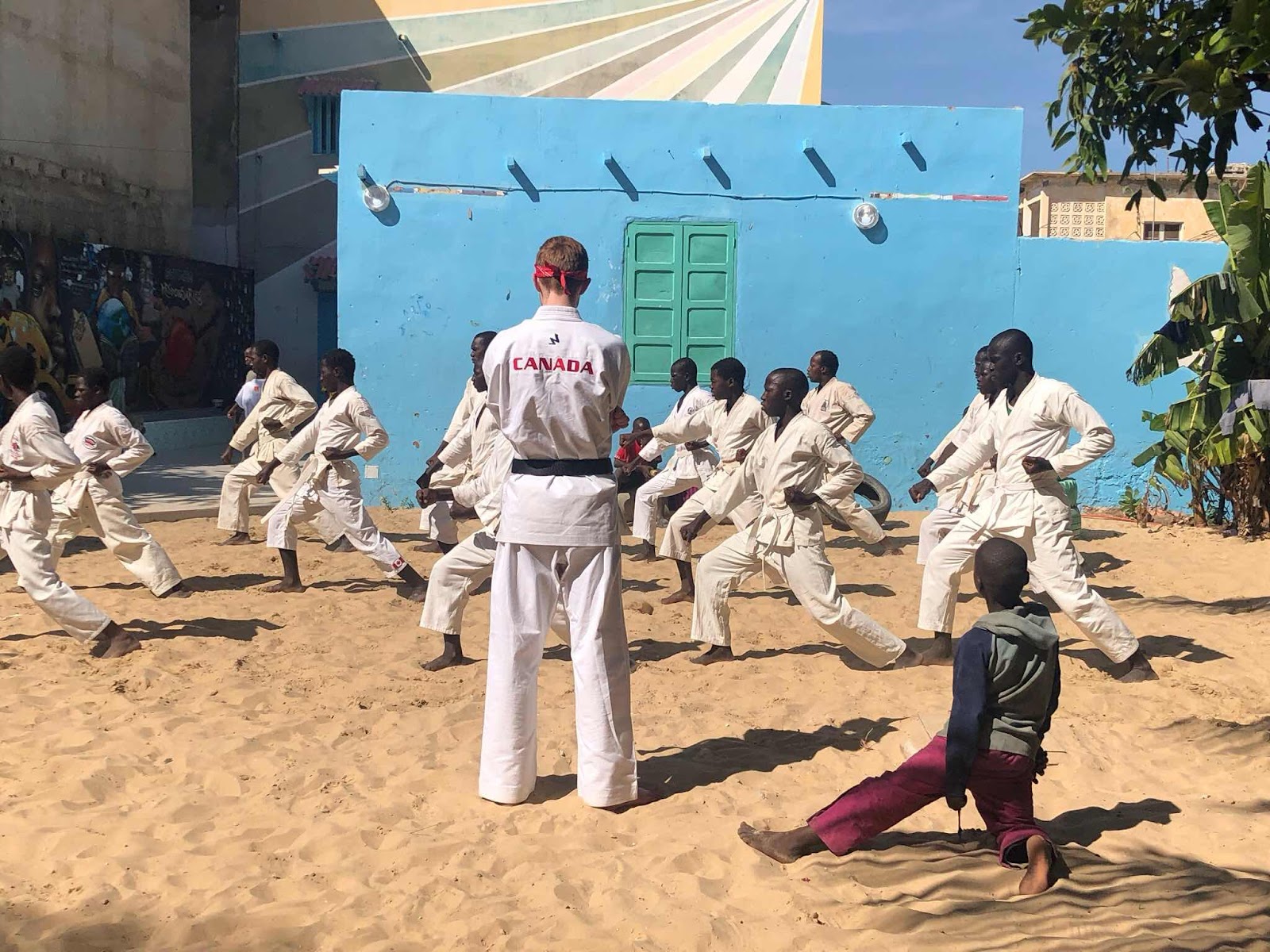

Later, Robbie took a group of karatekas aside to help prepare them for the tournament to be held the next day. They would all be participating. For many it would be the first time and they were excited but anxious. Robbie worked with the older beginners, white belts, on their katas. I had the strong sense that the children felt honoured to be training with Robbie and I. But we both knew better- the honour was all ours to be training with them.

It was hard to say good bye when class ended. But, the streets called. Off came the white gis that marked them as special. In many cases they remained barefoot. But, without the gi this marked them as lesser instead of more. The children still had begging quotas to fill.


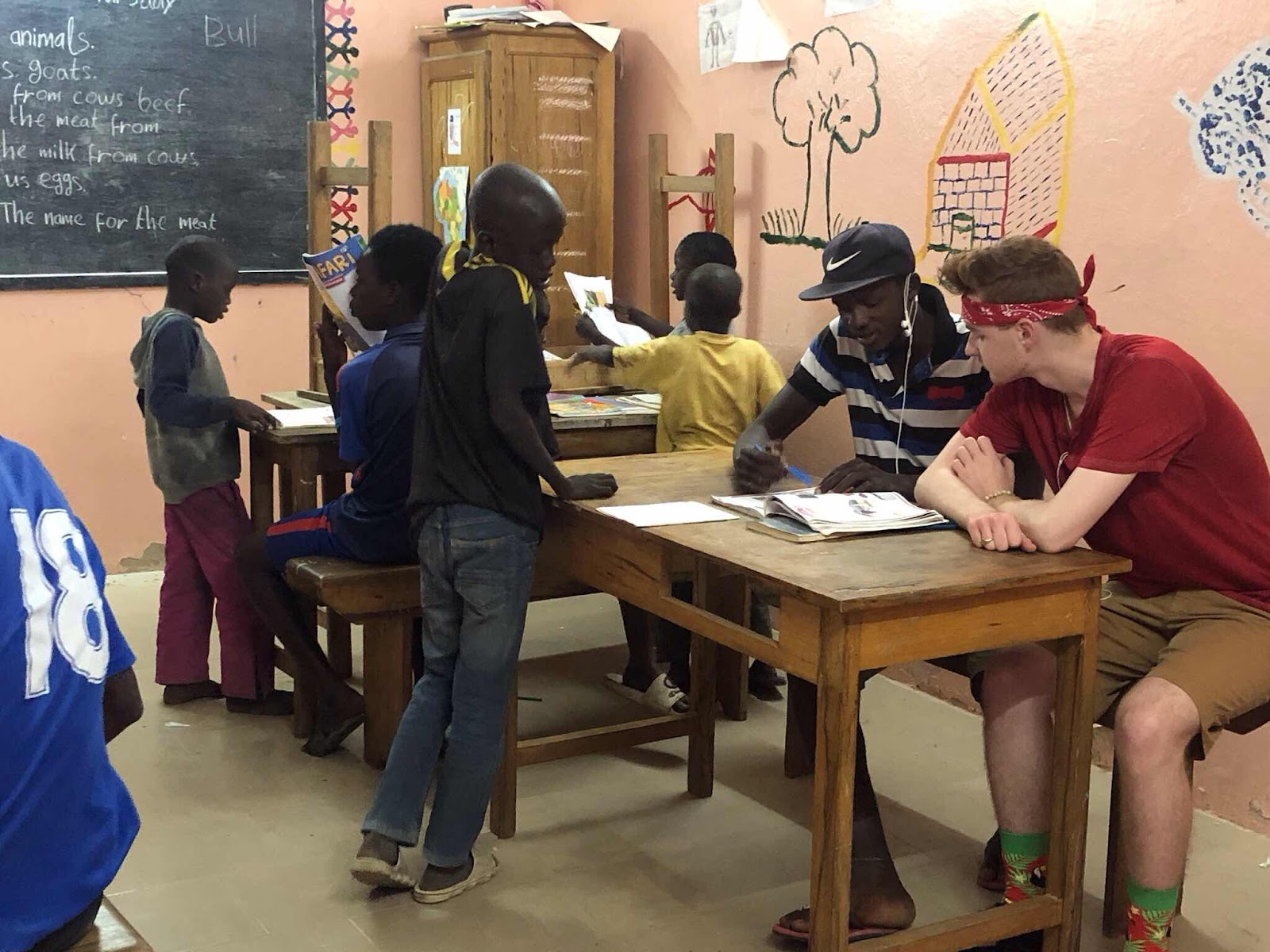
In the afternoon Robbie assisted Kalidou teaching his English class. Kalidou is a leader in the couture apprenticeship program, and he also teaches English every evening. I met Kalidou on my very first visit to Saint Louis over ten years ago when he was a forced begging talibé. Now, having taught himself English and devoted himself to learning a trade, Kalidou is an example to so many young talibés.


Robbie and I made arrangements to meet Idy late that night for a Ronde de Nuit in search of talibés who had run from their daaras and were in far worse danger, alone on the streets at night.


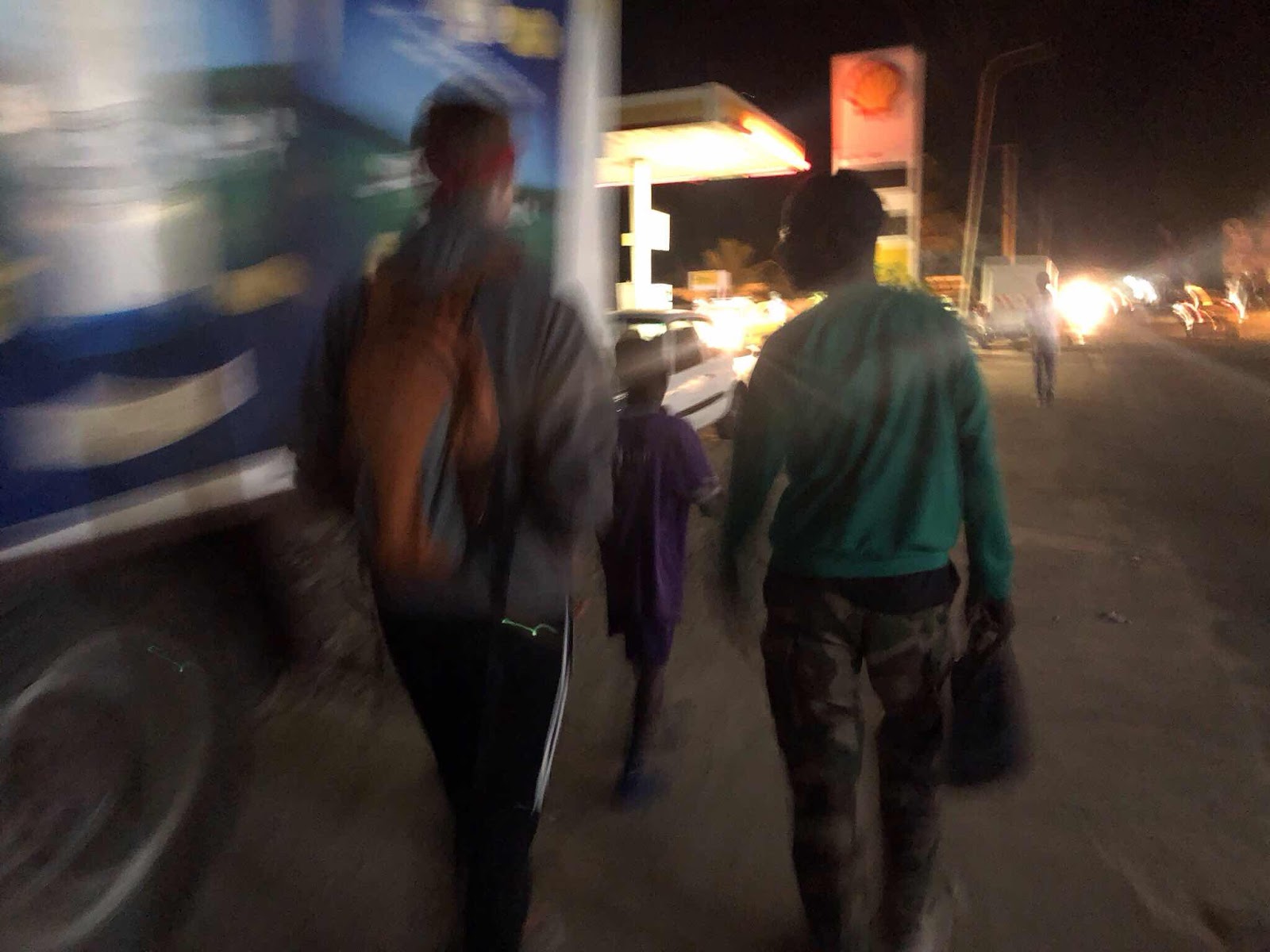
After midnight, at the Gare Routiere, we soon found a little boy, asleep in a corner. Idy gently woke him and explained he was not safe, and he could sleep instead at Maison de la Gare in a bed and have some food. The little boy, Ibrahima, trustingly followed Robbie and Idy, proving just how vulnerable they are while on the run. It was not long before we discovered a second talibé, curled up against the chilly night air on a well lit counter. For these runaways, the relative safety offered by well lit locations must be balanced against the desire to remain hidden. This boy, Ibrahim, also followed us with little objection. We took them in a taxi to Maison de la Gare's emergency shelter. The night guard checked them in and we tucked them in. Then we went out once more. 


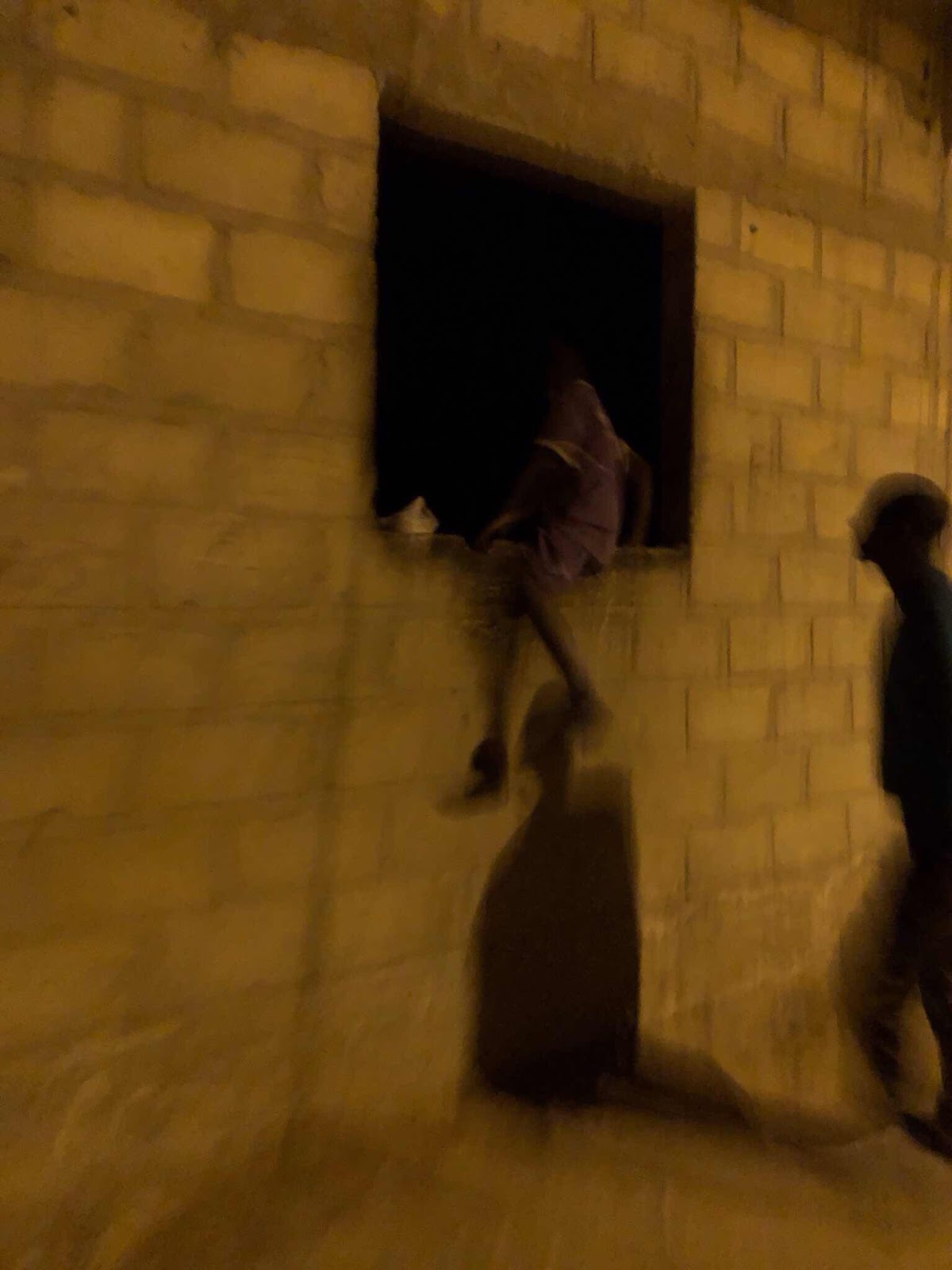
Along the main road, we found a tiny boy sound asleep under a bright light, knees tucked into his ragged t-shirt for warmth. It was very difficult for Idy to wake him, and the boy kept nodding off again, clearly beyond exhausted. Eventually he woke and realized it was late. He seemed upset that he had fallen asleep and wanted to get back to his daara quickly. He had walked for miles that day, and had not eaten at all. He had been simply too tired to take another step. I bought him a fataya to eat at the all night restaurant nearby, as well as two more for the boys now safely back at the dortoir. Idy suggested it would be safe for the boy to take him back to his daara or he would not have asked to go. So, we accompanied this little one (He seemed about age six to me but Idy said he was likely eight). The talibé was so tired that he was stumbling and seemed in danger of falling asleep on his feet. but, with every bite of his food he gained strength. When we finally arrived at his daara after about a 20 minute walk he had perked right up. instead of going in the front door, the talibé wanted to hop in a back window quietly, hoping to rejoin the other boys undetected. Idy gave him a boost, and the last we saw of his face was a smile of thanks, accompanied by a quick wave. 

It was 2 am when Robbie and I returned to our hotel, emotionally and physically exhausted. But sleep would allude us this night.


Tuesday, November 19, 2019

Tomorrow, Saint Louis!


We are on our way, again. Robbie, Dad and I. I am writing from the JFK airport. In a way it feels like going home. But, as we are leaving Rowan and Robin in Ottawa this time, half my heart will remain in Canada. And, just as more of my extended family is also back in Canada, many more await me in Senegal as well.

Two of my Godchildren, Djiby and Mohammed are in Saint Louis. Tijan, has travelled from The Gambia to meet us and waits at Maison de la Gare. Oumou and her lovely six children are anticipating our reunion. And, Arouna, of course. Robbie and I are excited to see and train with Bouaro and our MDG-Sor karate boys once more. and all of the dedicated MDG staff, who are almost family. 


I first met Tijan many years ago when he was a talibé in Saint Louis. He and Robbie have been connected on-line since  that time, friends across the ocean, from two different worlds. I have been supporting and encouraging Tijan to pursue his high school studies back in The Gambia for several years, rather than to attempt a dangerous migration in search of hope and a new life. This summer Tijan graduated from high school, despite the nearly unbelievable challenges he faced in pursuing his education. Robbie graduated at the same time. Such different paths and obstacles these two boys of mine faced in pursuing their dreams. Both of them are taking the next step toward their dreams, beginning university next year. 


Oumou's family exists on a precarious knife edge, yet sheltered from their regular brushes with disaster, dispersion, the end of their educations by Oumou's indomitable protective spirit and diligence. The kids are happy, polite, charming, love school, and each other. In Oumou's own words, her family will be separated only "over my dead body". Oumou is uneducated. But, she has a burning belief that education will free her children from their difficult life. A friend in Ottawa and I are determined to find a way to support this family more comprehensively, help them to better help themselves. Maybe on this visit I will figure out what, beyond school fees might be most effective.


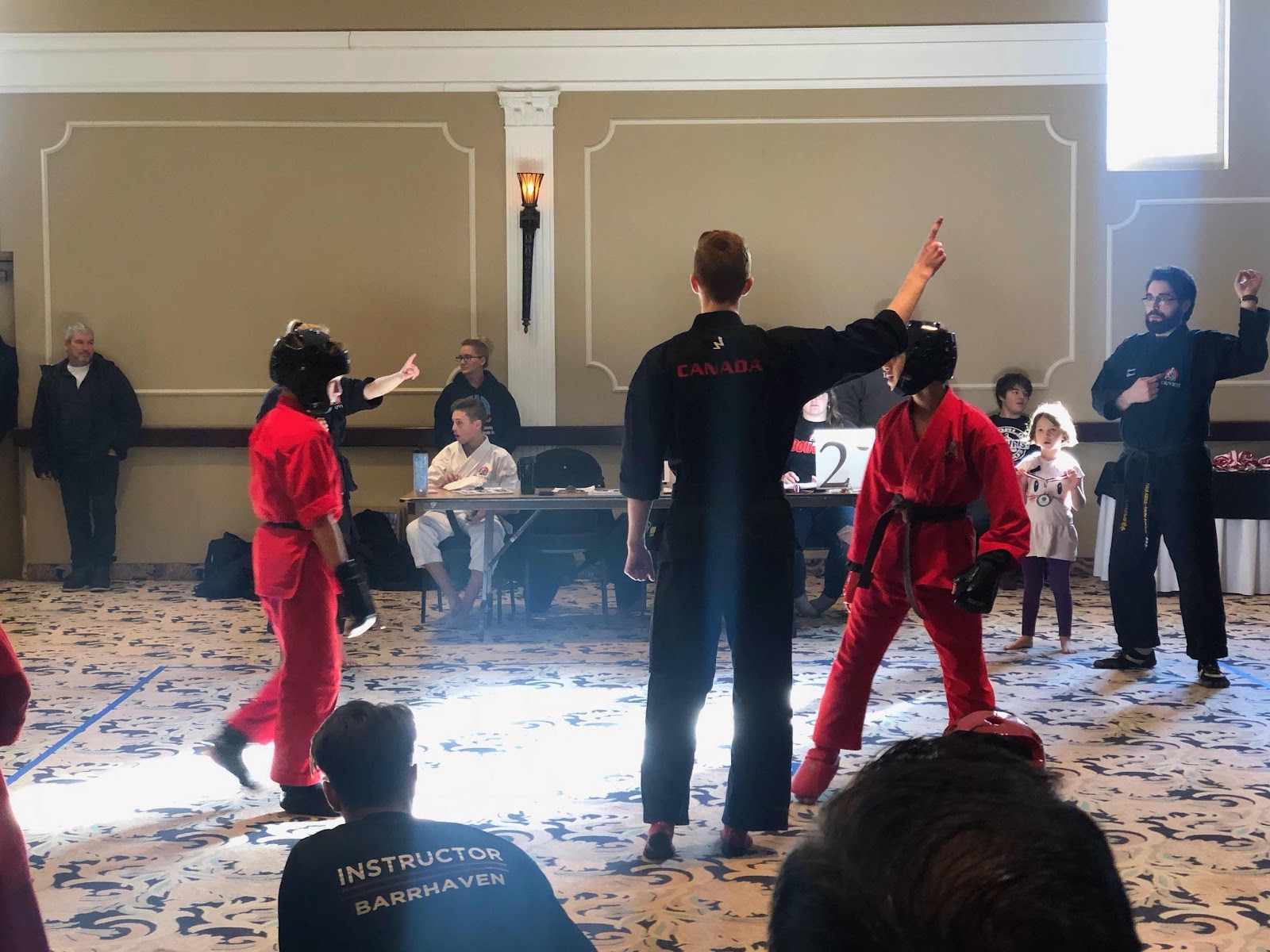
Robbie and I are sponsoring a karate tournament at the MDG centre at the end of the week. We both volunteered in support of a local Ottawa Douvris tournament this past weekend. Watching and ecouraging the children conquering their fears to lay everything on the mat is always inspiring. There will be no shortage of  inspiration again this Friday as the MDG-Sor karate kids swallow their anxieties and step onto the mat for their own triumphant moments.


We have many plans and will see many friends on this journey. But first...one more flight.