Followers

Wednesday, November 26, 2025

Into the Desert


Our driver arrived late after waiting for us at the wrong hotel. Not too important, unless you rise at 4:30 am in the dark to leave in time to have a hope of returning before dark. We have learned to be flexible here. Dotting every “i” and crossing every “t” never results in anything close to certainty here. I have learned to accept this as part of the charm of Saint Louis.
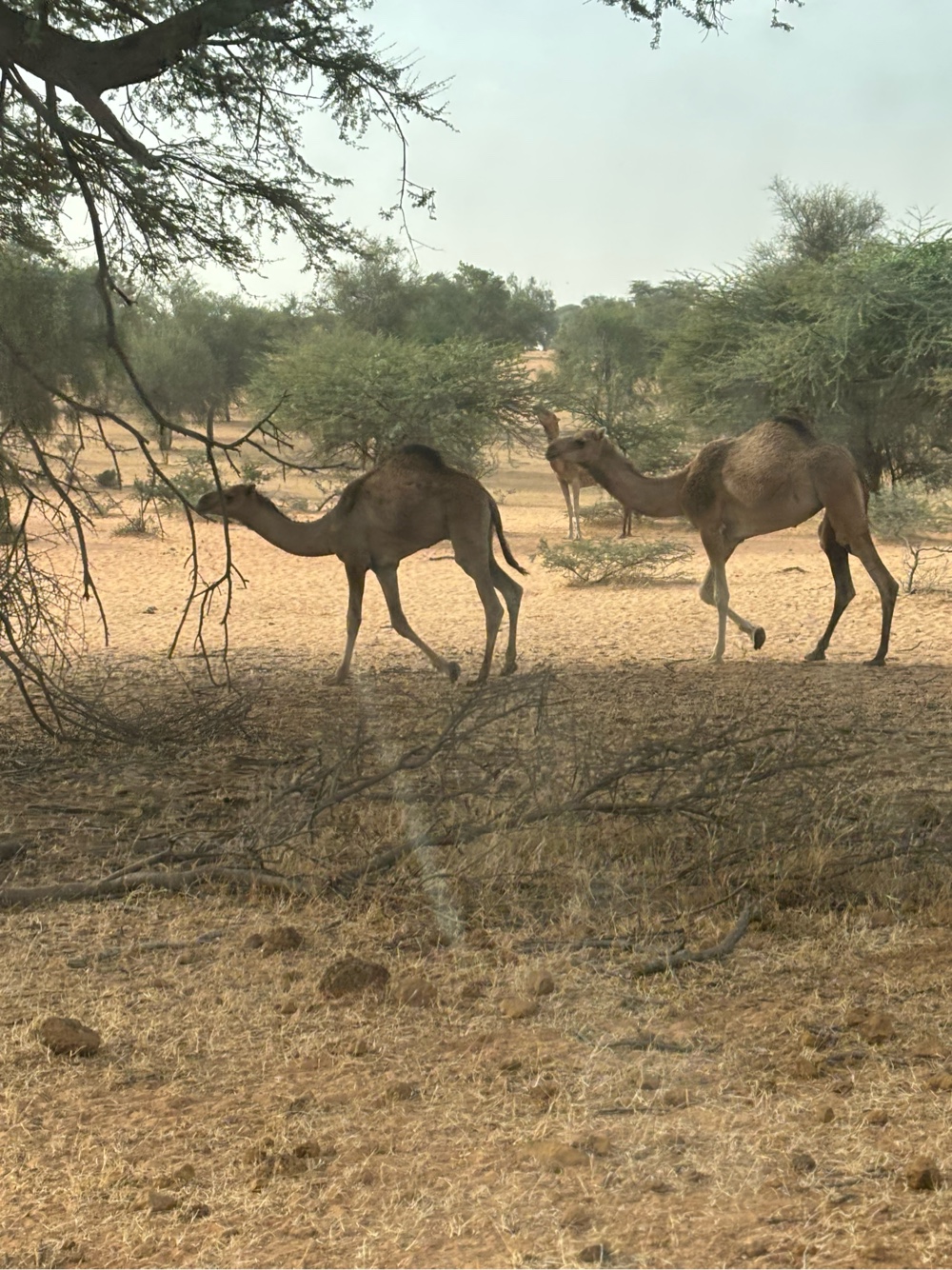


The road to Dahra Diolof from near Louga was surprisingly good. The stretch of “pavement” that once took 3 or more hours to traverse with great care we flew over in one third the time, only pausing for the occasional donkey or zebu standing in the road. we arrived in Dahra in good time and picked up our desert guide, Omar. I remarked on the continuation of the excellent road, but then we turned off to the right, dipping onto a desert track. We soon found ourselves surrounded by dromedaries as they leisurely crossed the track.
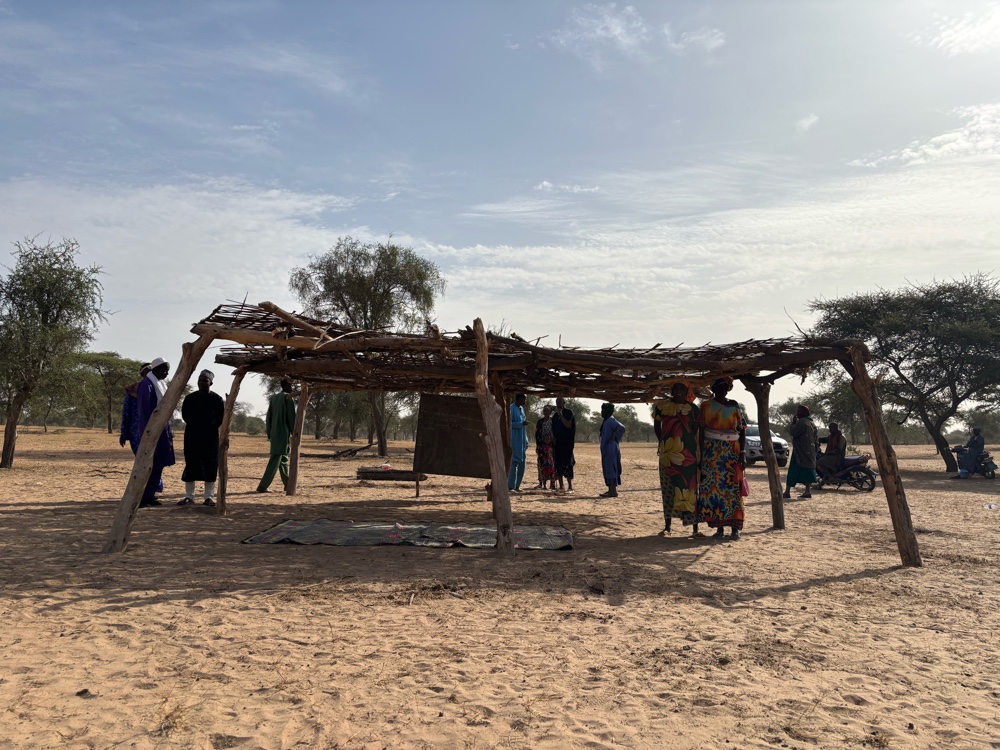

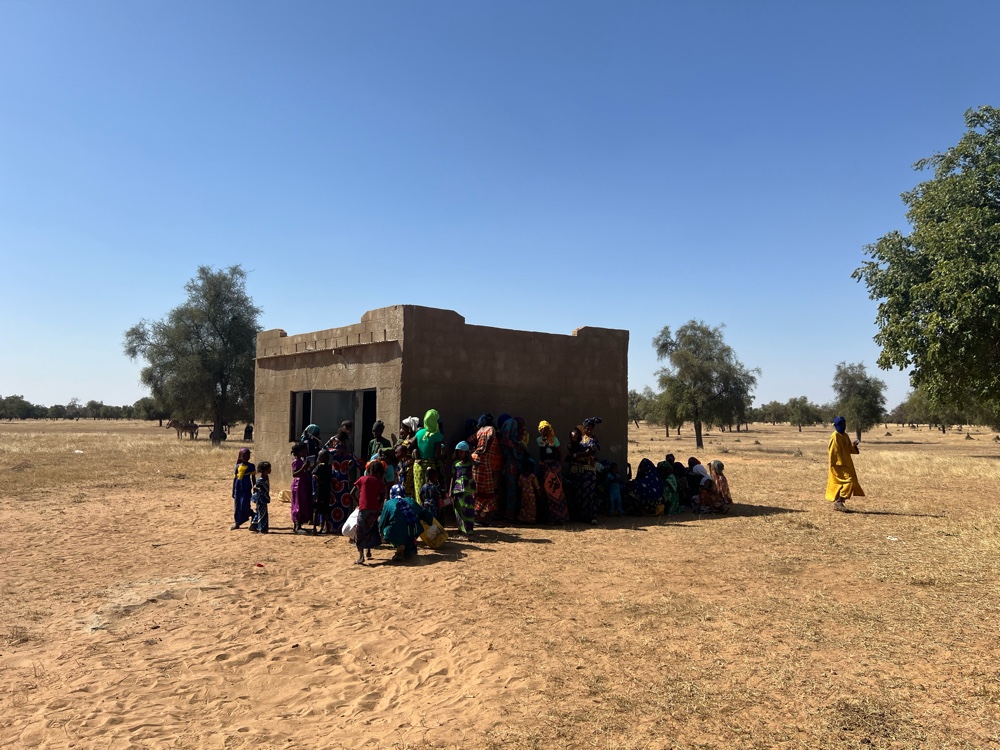
About an hour after leaving the last town behind we arrived in the village of Kilif to visit the Fehdoba school. We had not yet visited this school during our previous trips to this area. The contributions of a generous donor to our foundation have been supporting the education program and the villagers had been hoping for many years we would visit. 


This school has 71 students, including girls and boys, from 35 small villages. Students from the closest only walk about a kilometre, while the farthest live a distance of 7 kilometres.
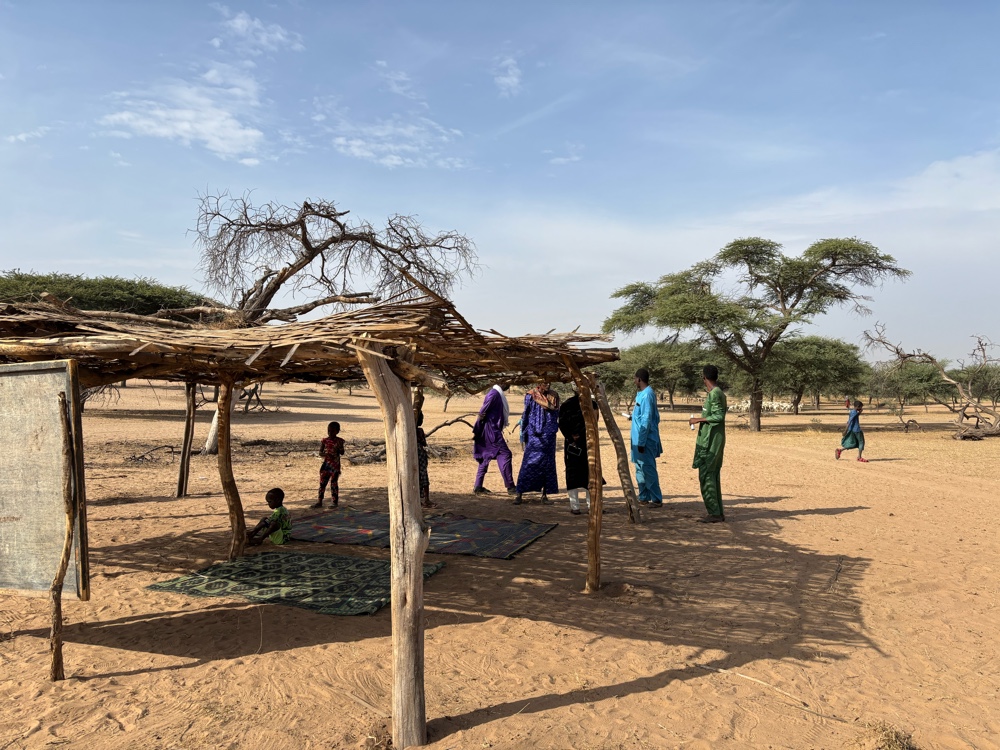


The school structure must be rebuilt by the community about every four months due to rains, wind, or animals. Last year they submitted an application to register the school officially with the government - the first step, they hope, toward having a permanent school for their children someday.


They have submitted the application to register the school officially- the first step, they hope, toward having a permanent school someday. 
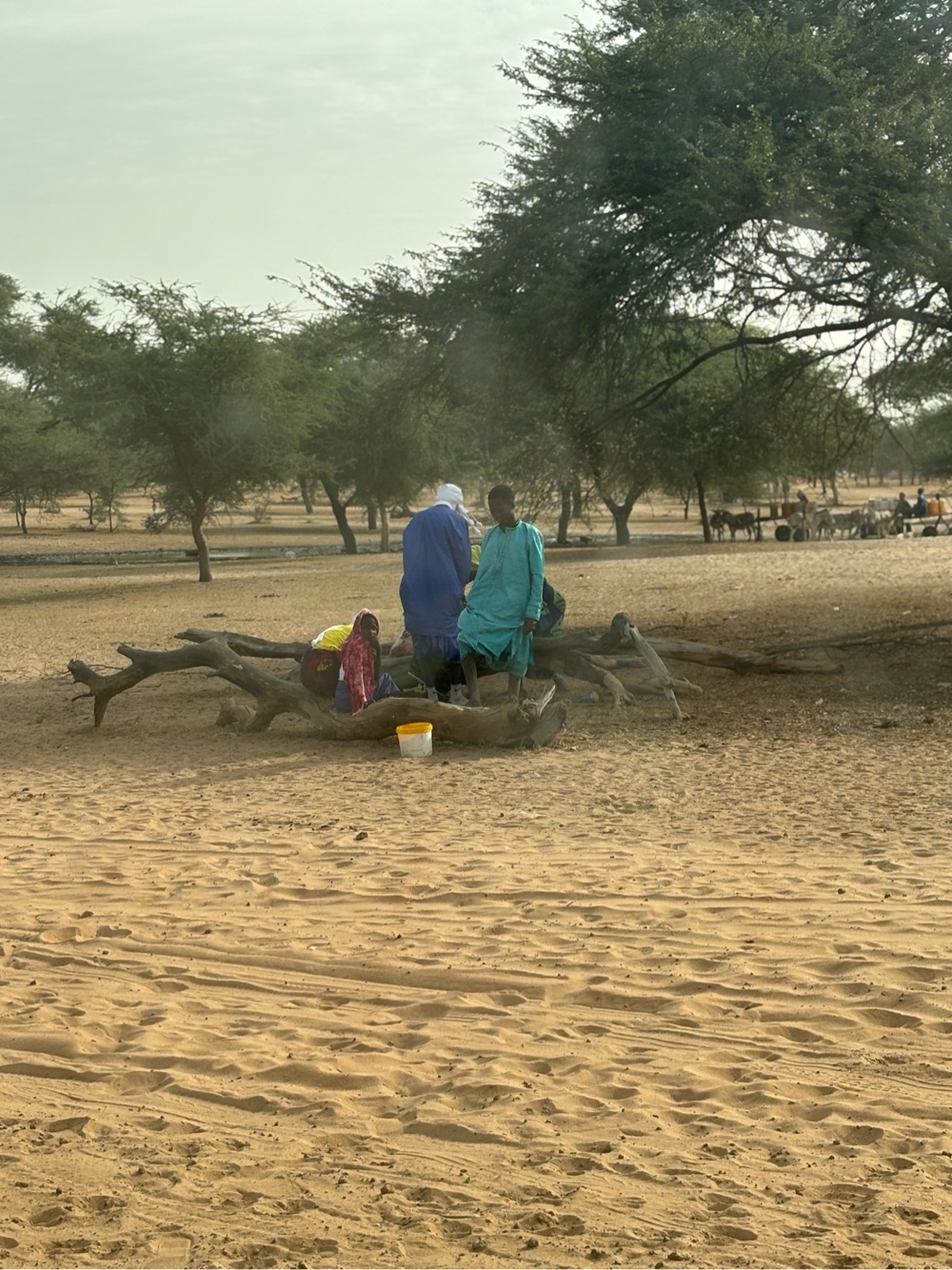

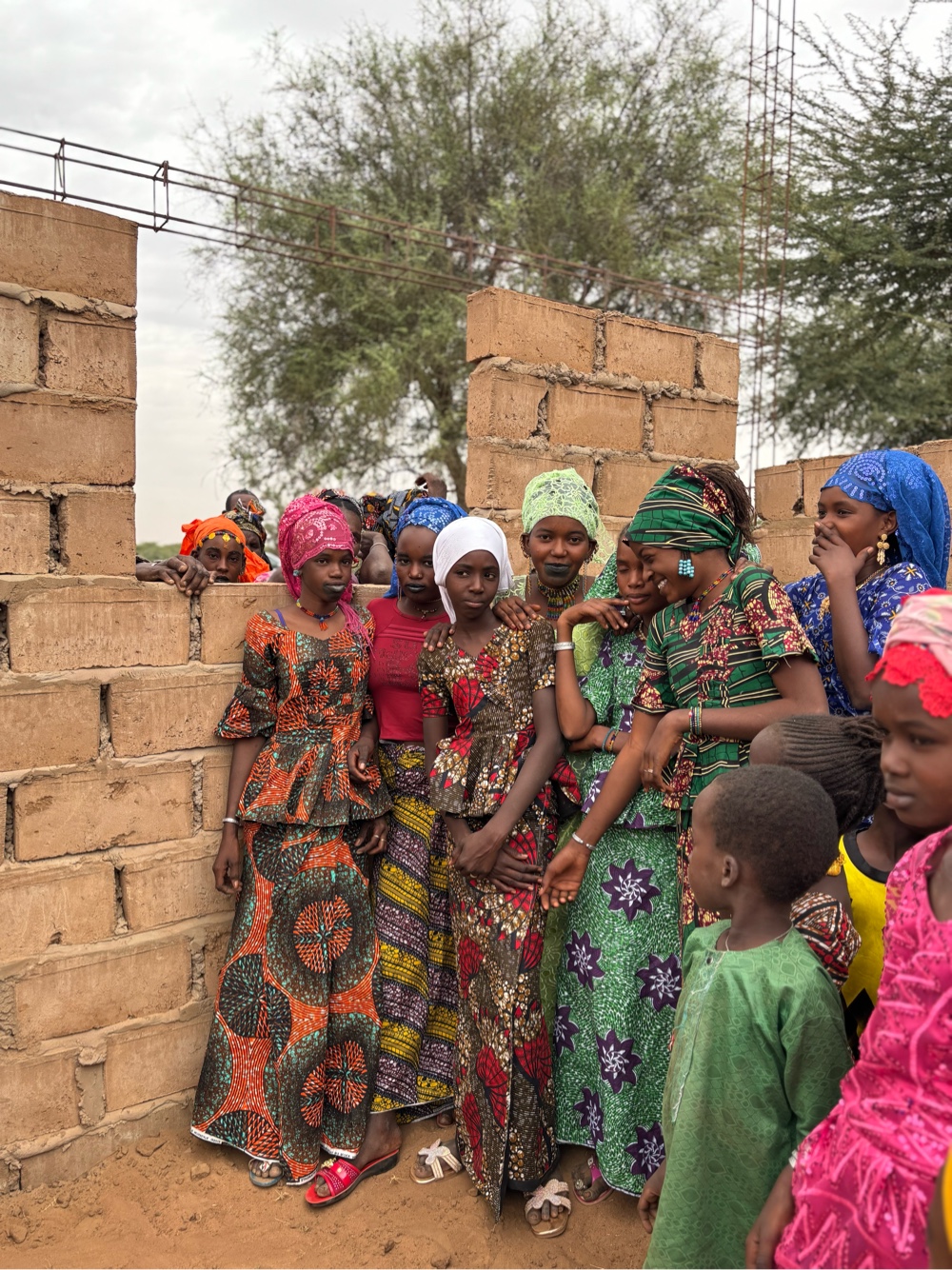
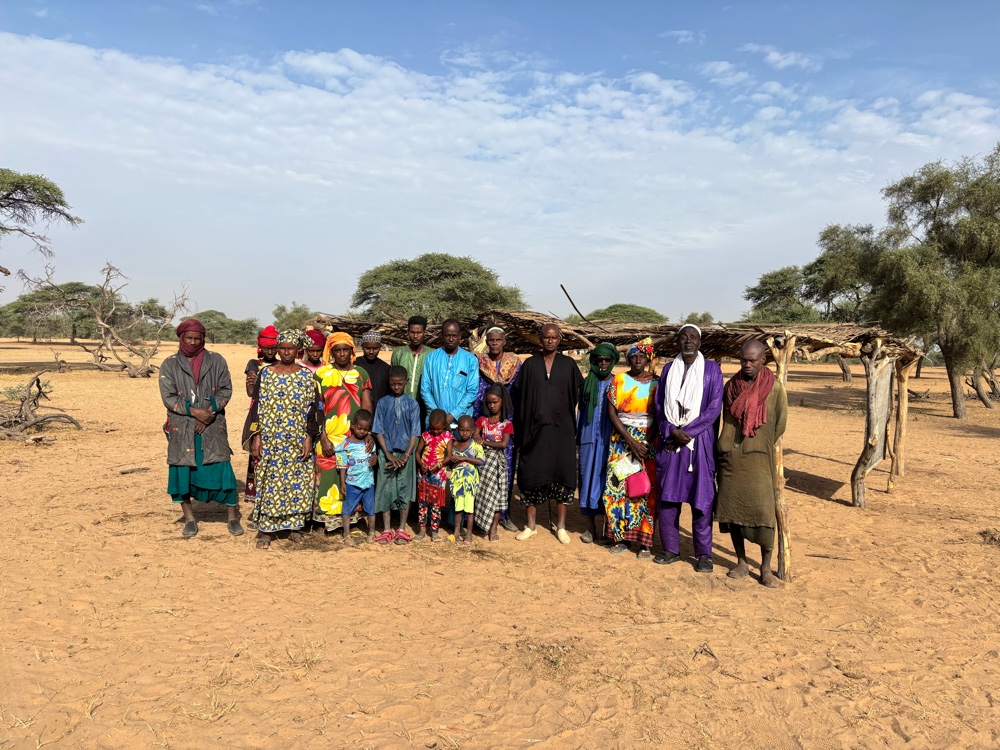
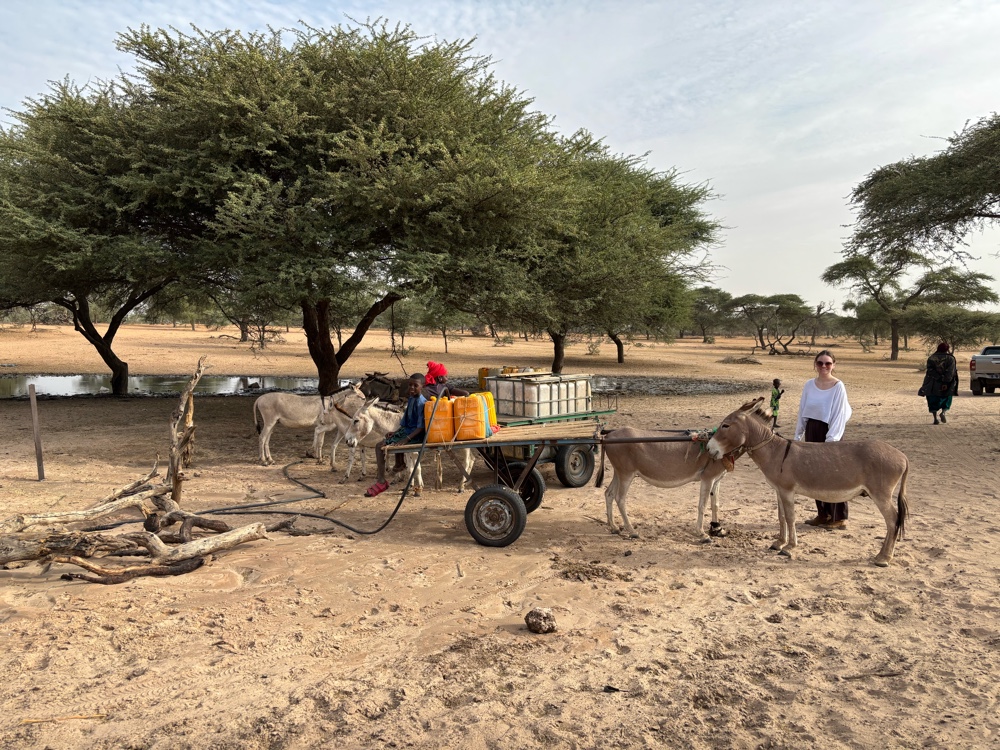
We were astonished to discover a group of villagers had been waiting for us all morning at the road, in order to guide us to the school. We walked together past a water tap where people come from many kilometres to collect water.


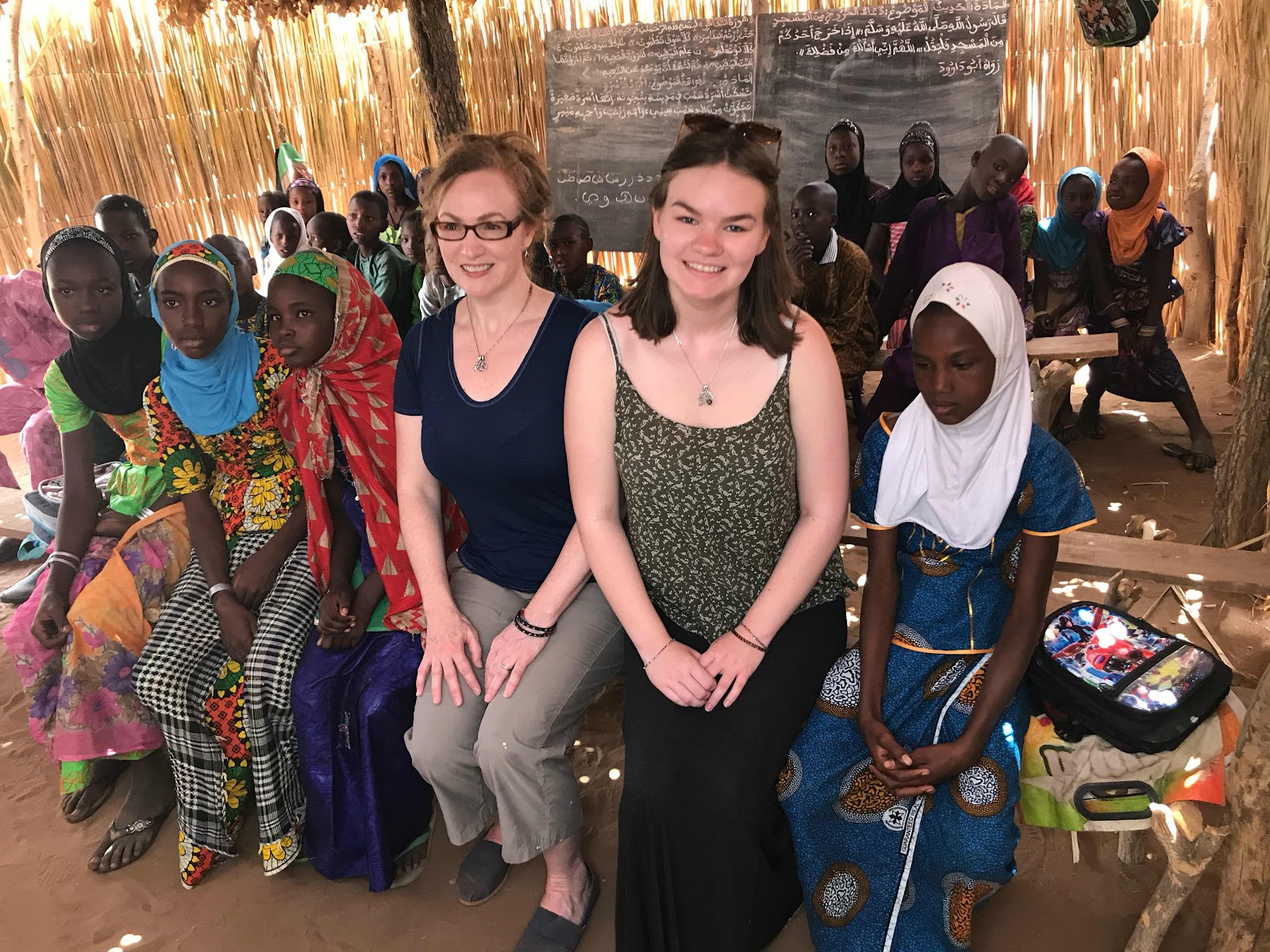
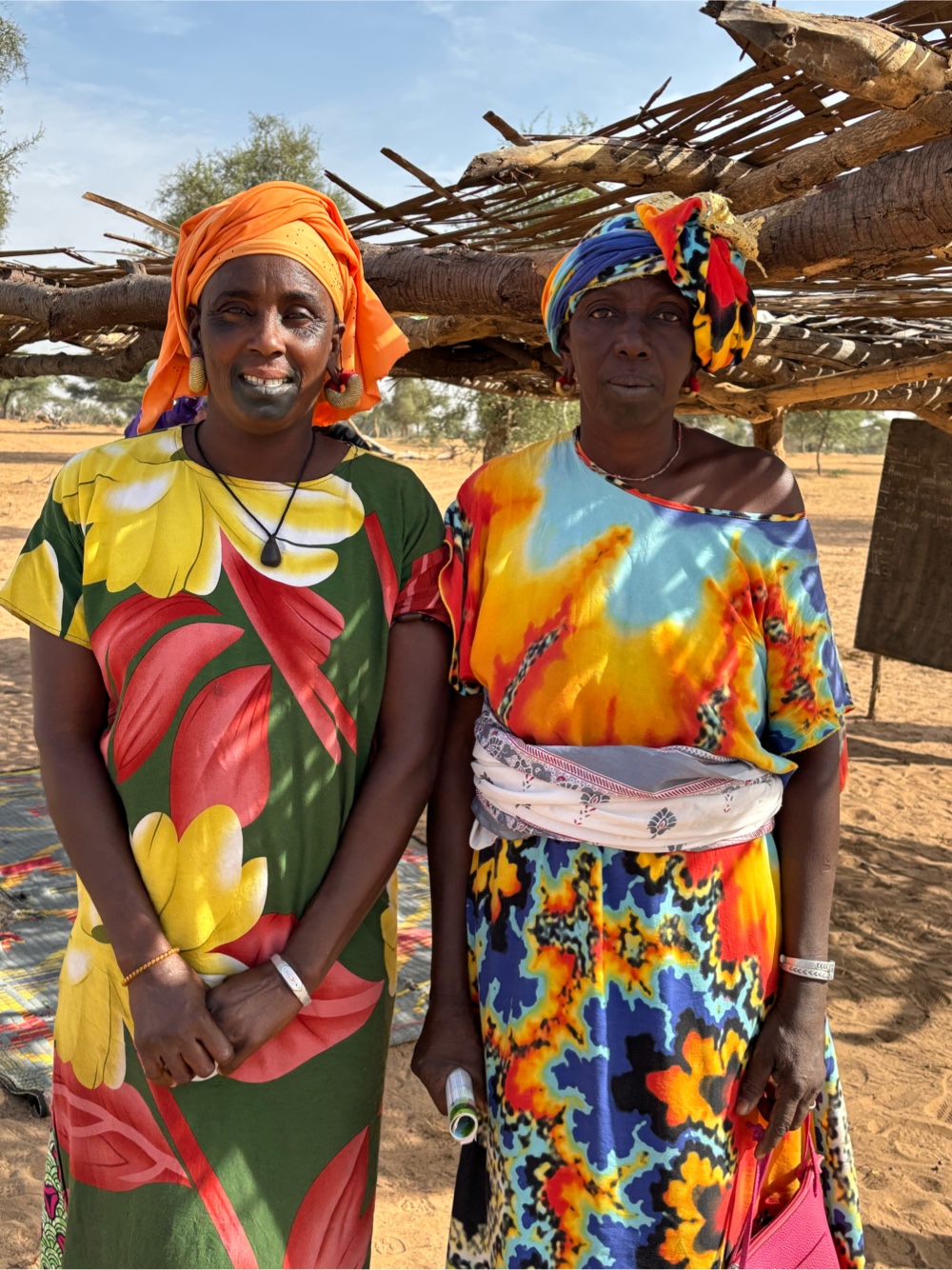
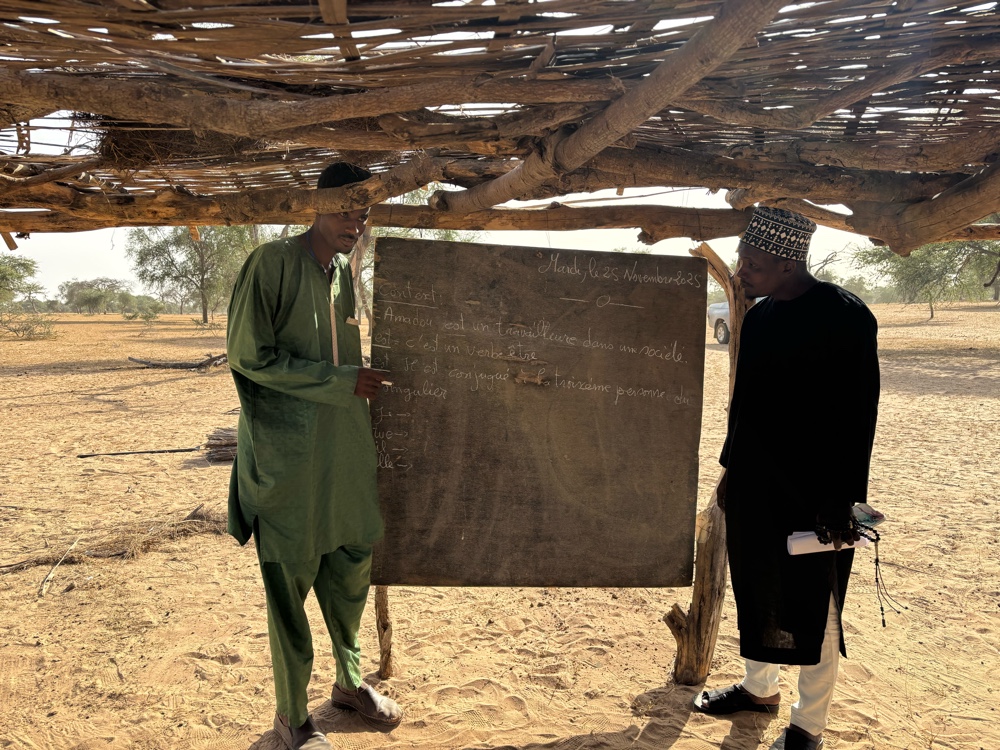
As we approached the school, a shelter structure with a black board for instruction, matts for the students, and a shade-providing stick roof, the village chief and the head of the women’s community came to meet us. There had been a death in the village, and so class had been cancelled for the day and they were very sorry that many villagers could not be here to greet us as they would have wished. The teacher, Habibou Sy, gave us a tour and explained the curriculum of French, and Arab.


Our next stop was the school of Bela Doba. Class was in session. As Rowan and I stepped through the doors the students burst out in applause and greetings. There we 43 students in attendance between ages 6 and 15. A second class of younger students attends in the afternoon.
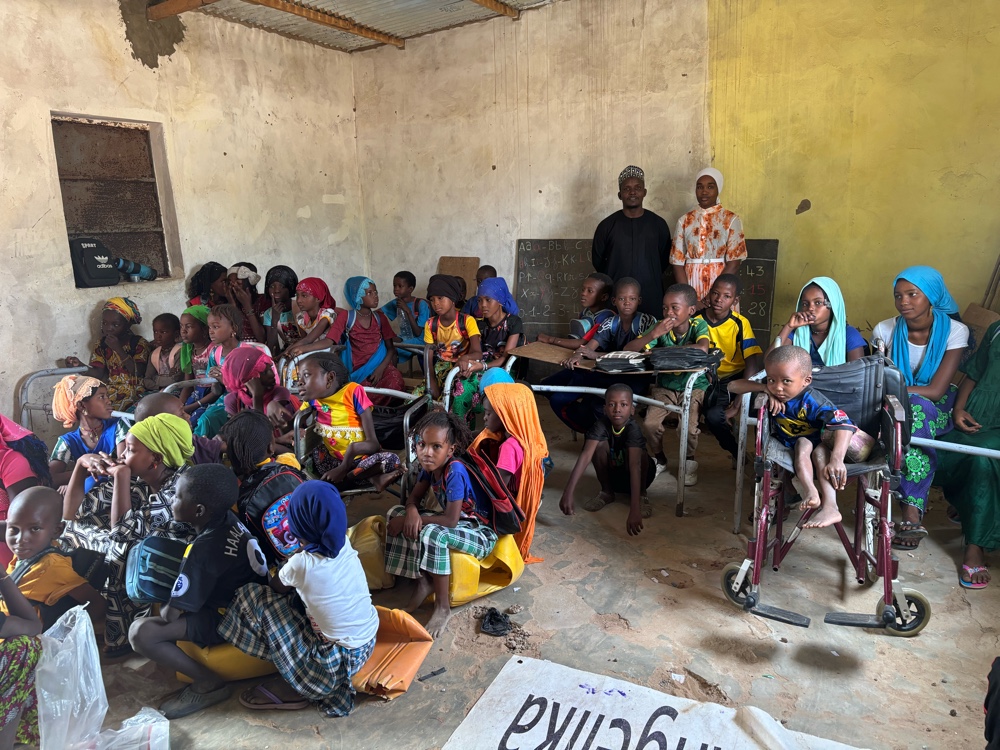
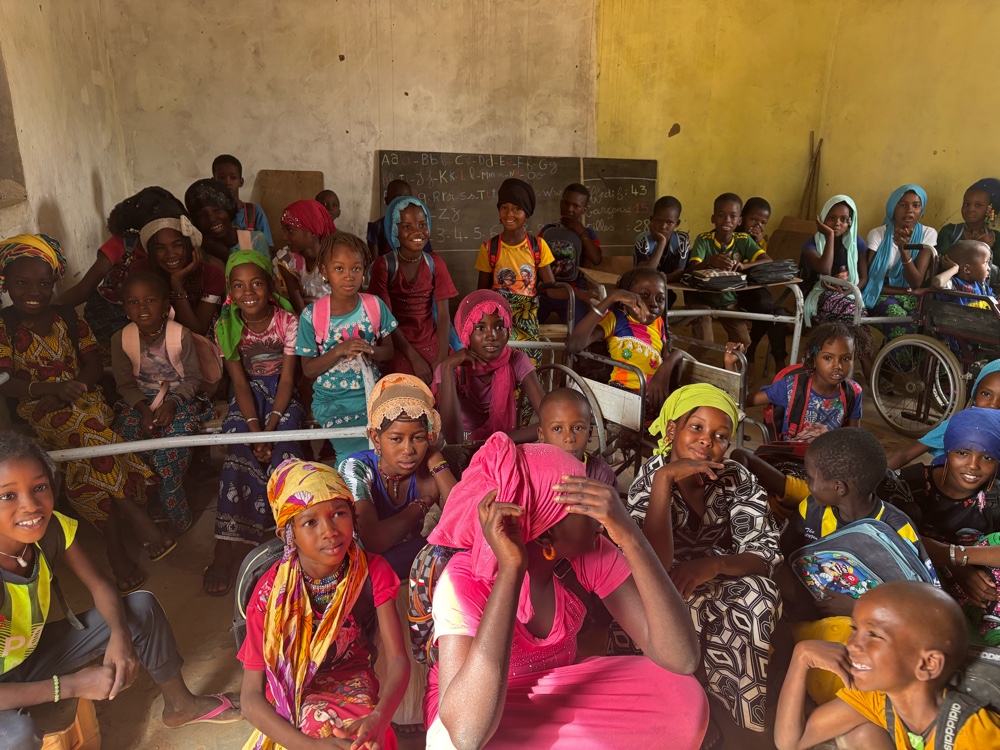

This school also used to be a temporary structure, made of straw. during our first visit to this area, we saw the destruction that remained of the school after the rainy season. Most seasons the villagers rebuilt, if they could afford to. The grant of another generous donor allowed for a permanent school building to be built here, which we had visited two years ago. 
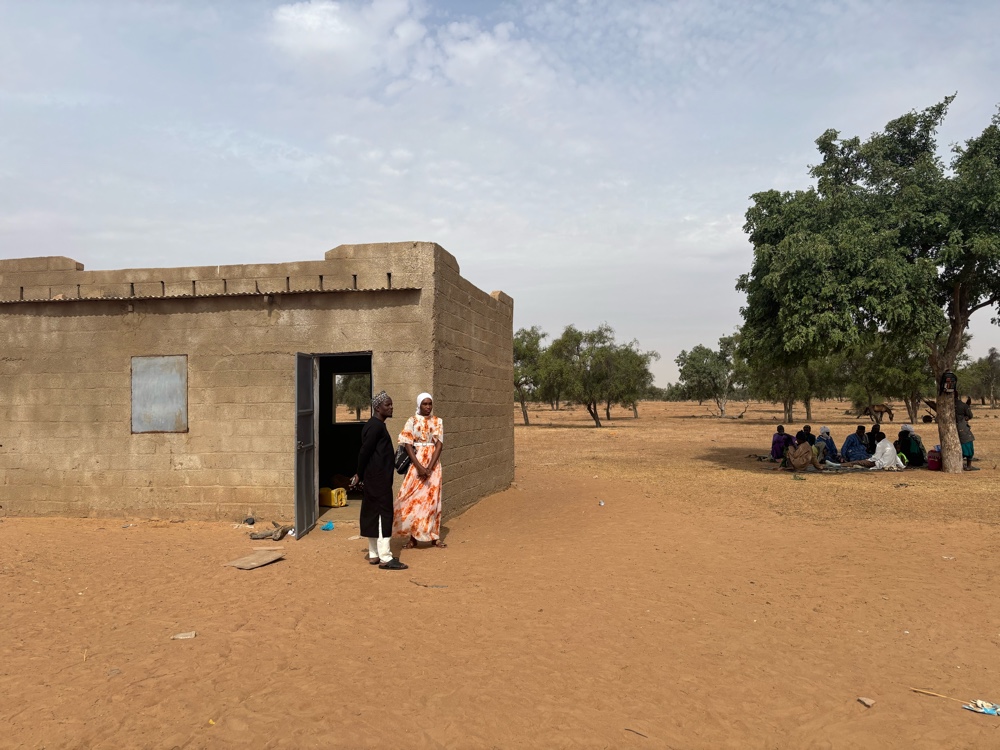


The entire village had gathered to greet us, to discuss the importance of education for their children, and to offer thanks. We in turn expressed our appreciation for their trust and our gratitude for the honour of being their partners in such an important cause.
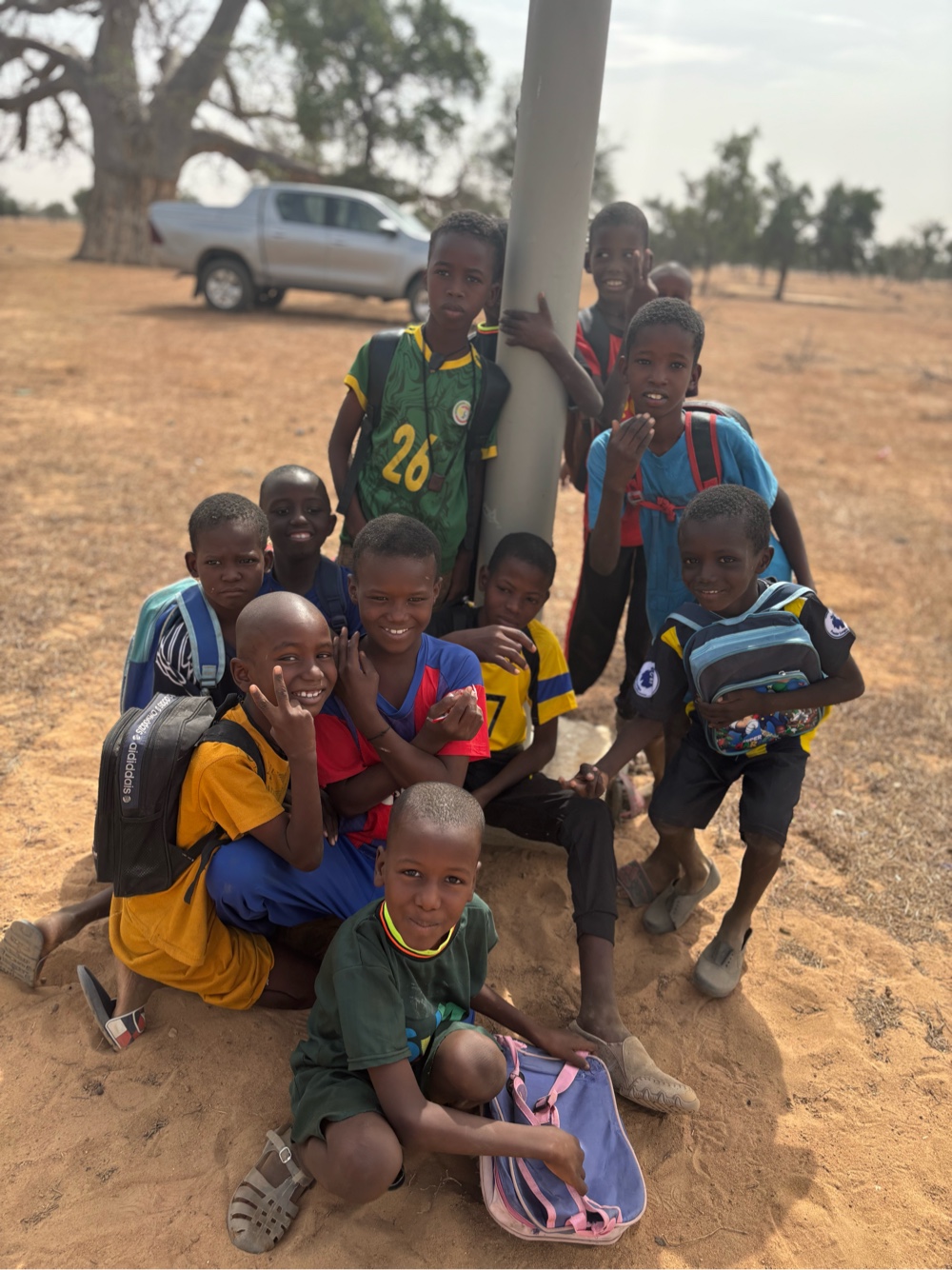
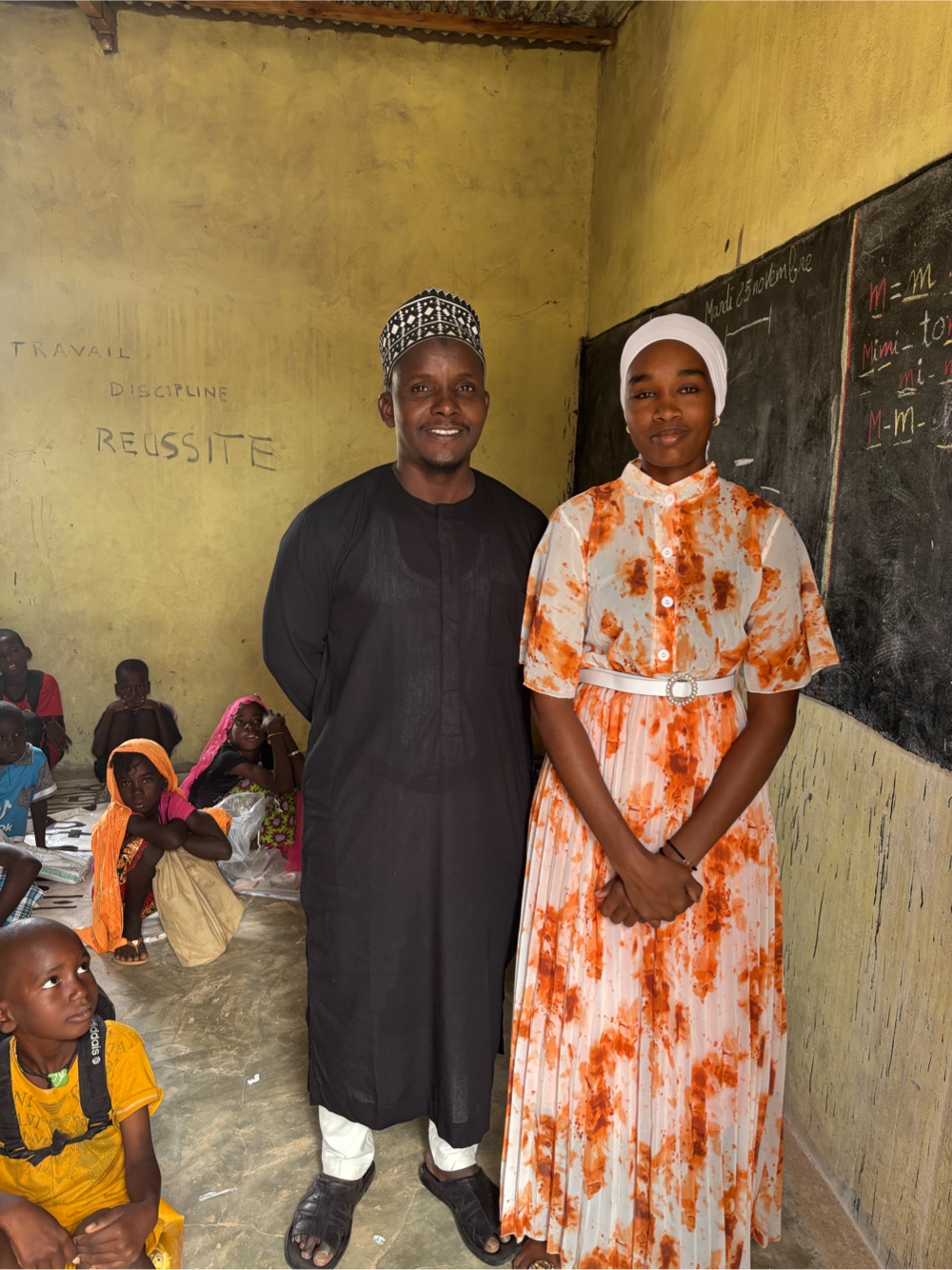


We were going to save the 15 pairs of reading glasses we brought for the next village, as we had previously brought glasses for this community. But two women and three men, including the village elder (age 90) requested a pair, as they did not receive them last time. The elder had walked on his own from the village to greet us, and in hopes we might have brought glasses once more. When he put the glasses on, his eyes widened in wonder and he said “Eureeka!!” 


After stopping for a meal in the village of our host, Cheikh Diallo, we carried on to a third school, Thiagale. 
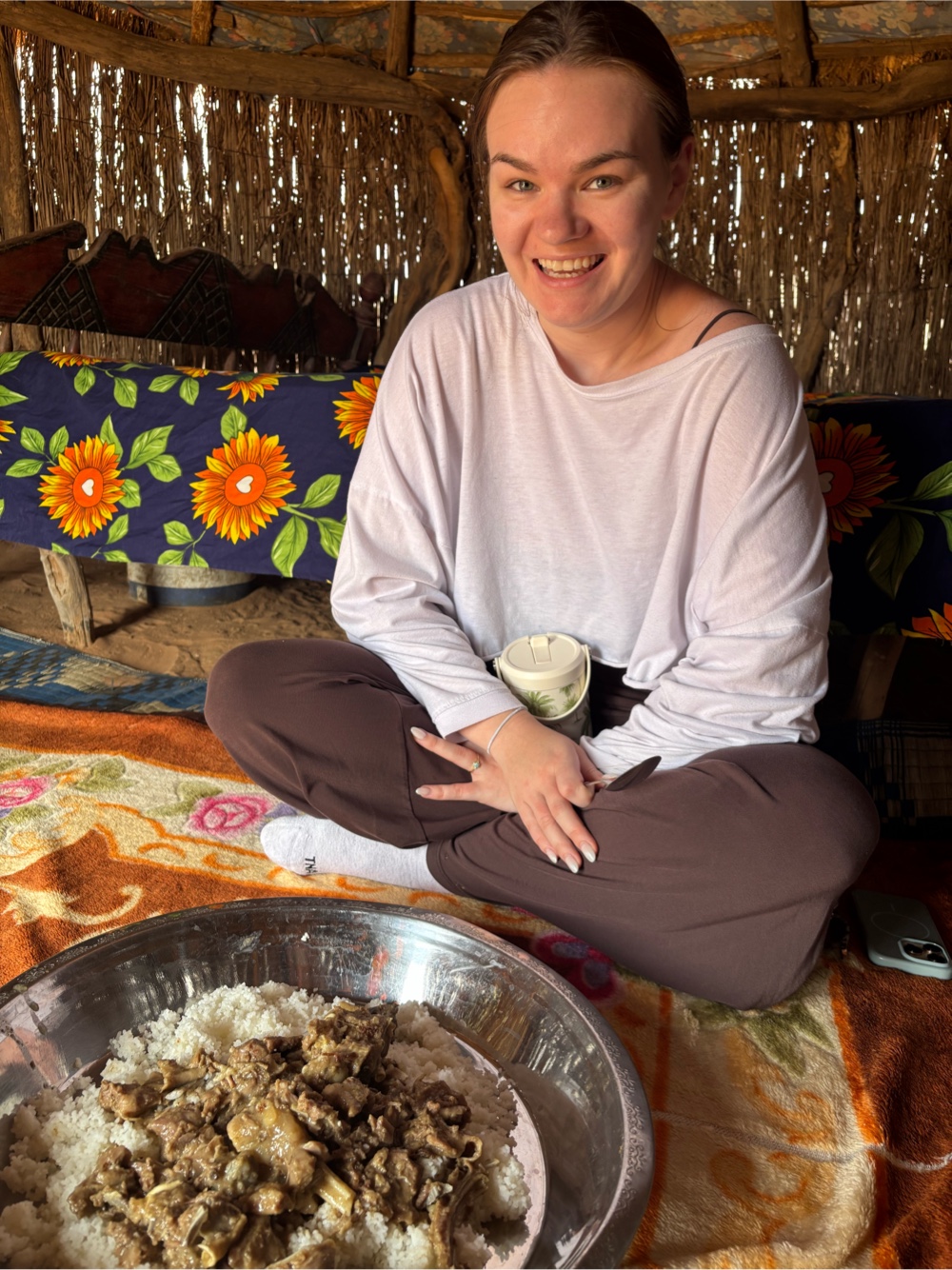


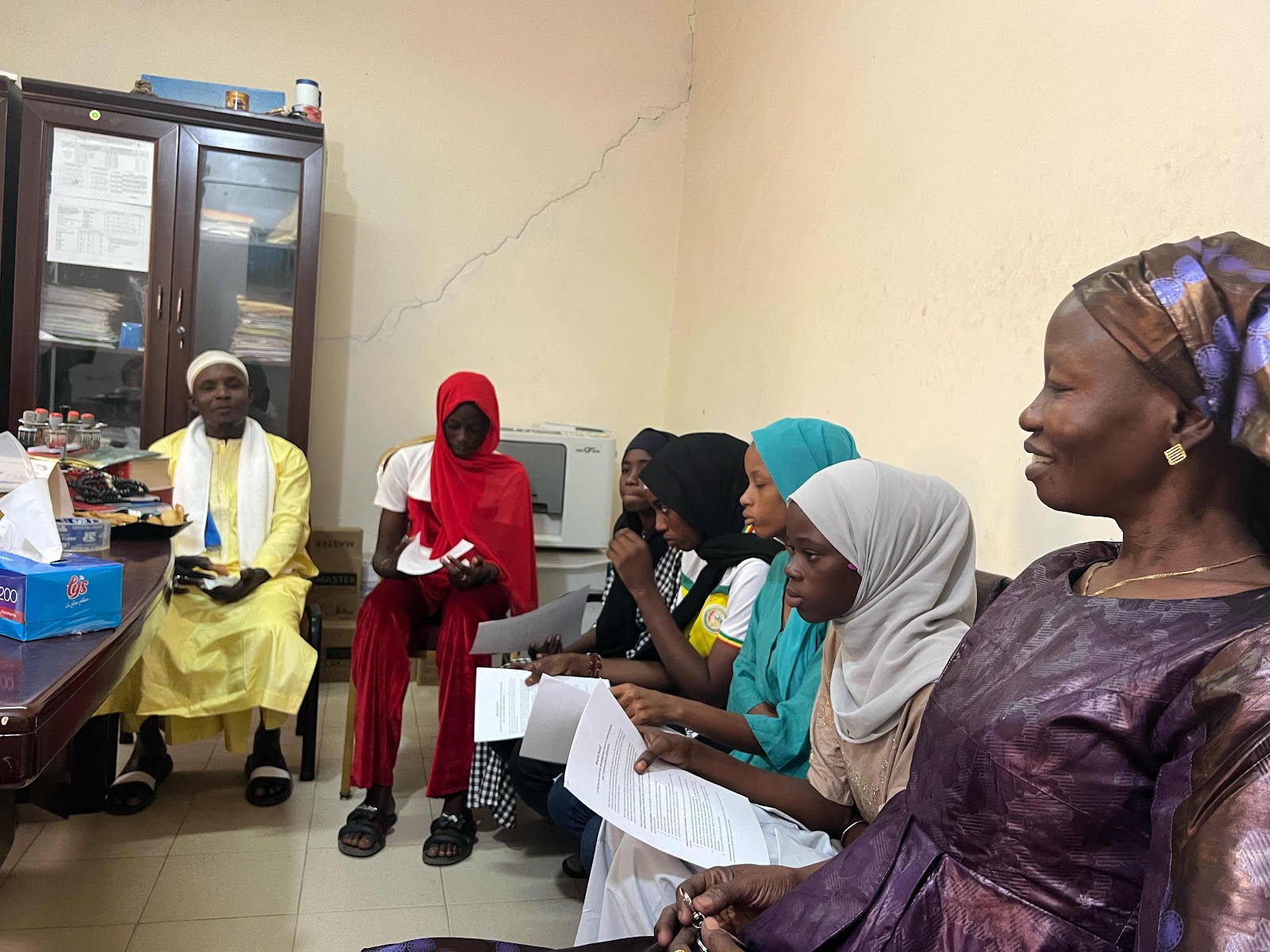
The villagers and students had been gathered all day waiting for us to arrive. They had prepared a welcoming feast, and the chief offered us each a fanta upon arrival. We had already enjoyed a feast at Cheikh’s village, but we sat down again to do our best. 
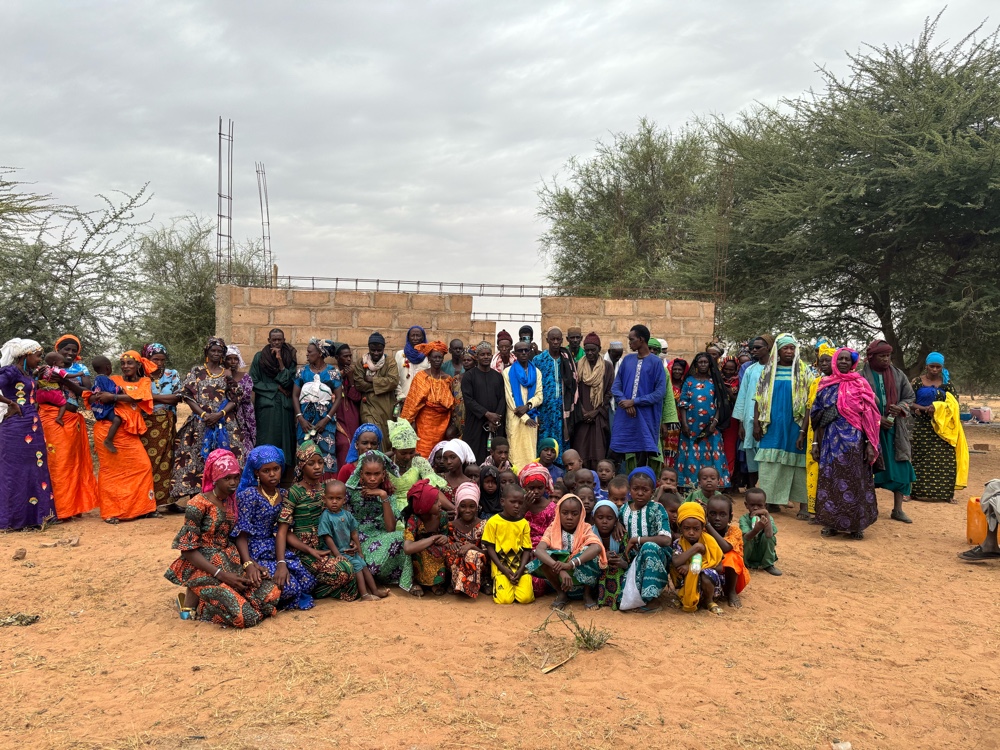


Each season the straw school is destroyed here and must be rebuilt. Now, they are rebuilding it permanently. The community is stretching a modest grant from the foundation by making the bricks themselves, digging the sand from the ground onsite. and using hired help only at critical building junctures. 
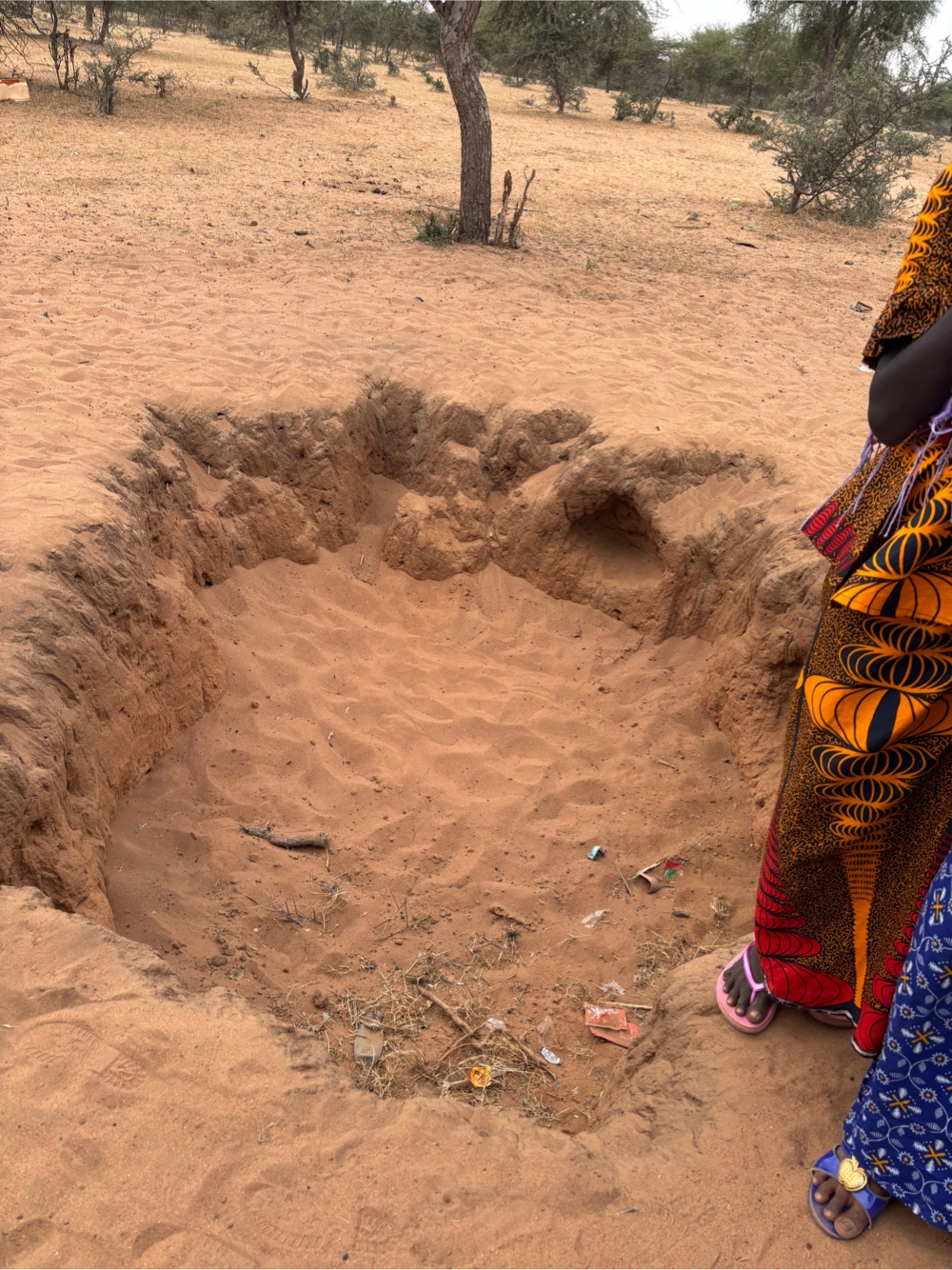


During construction, classes continue in the open air, with a blackboard propped up to aid with instruction in Engligh, French, Arab, and sports.
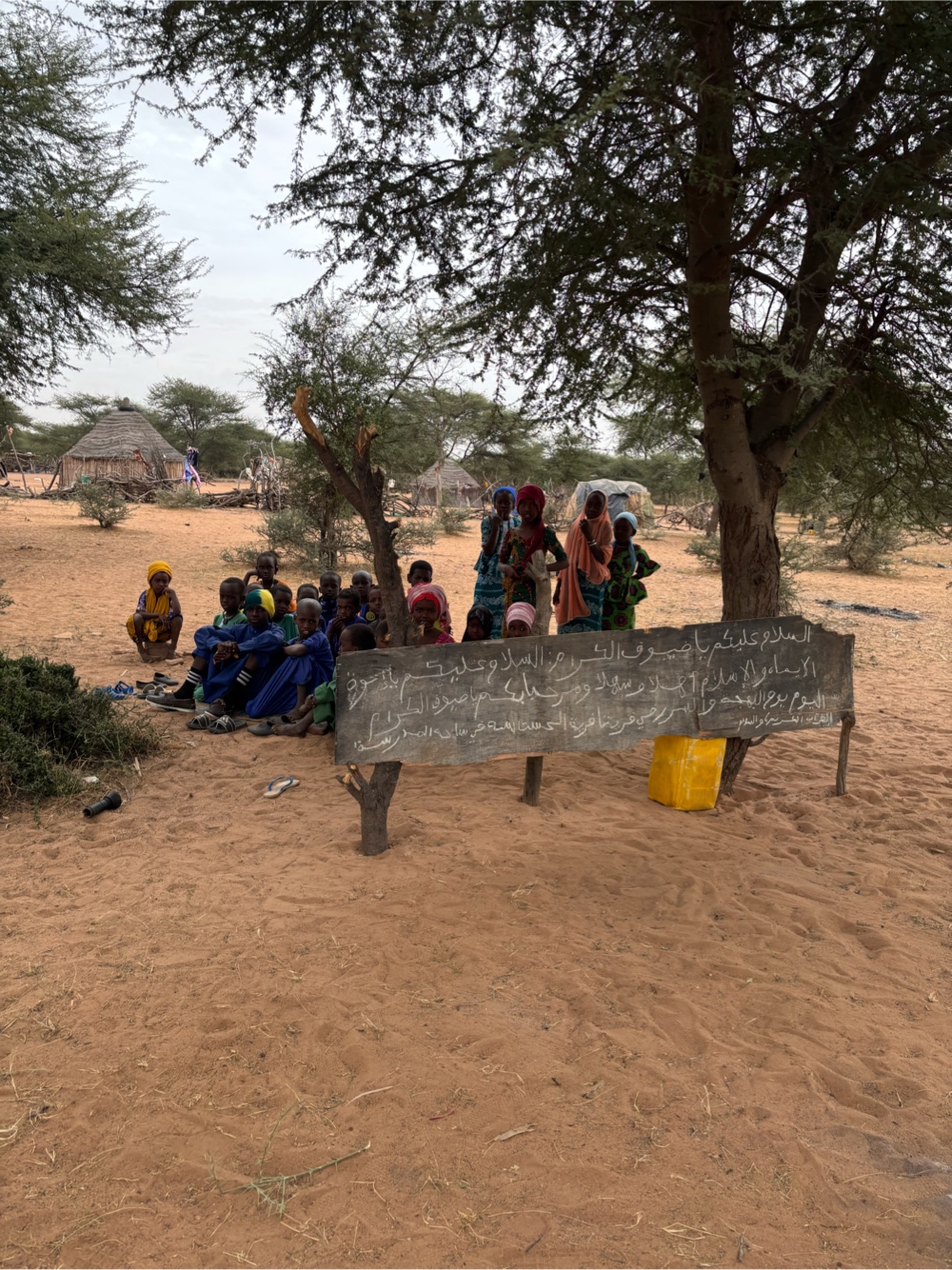

Rowan and I had visited this school once before when it was made of straw, many years ago.
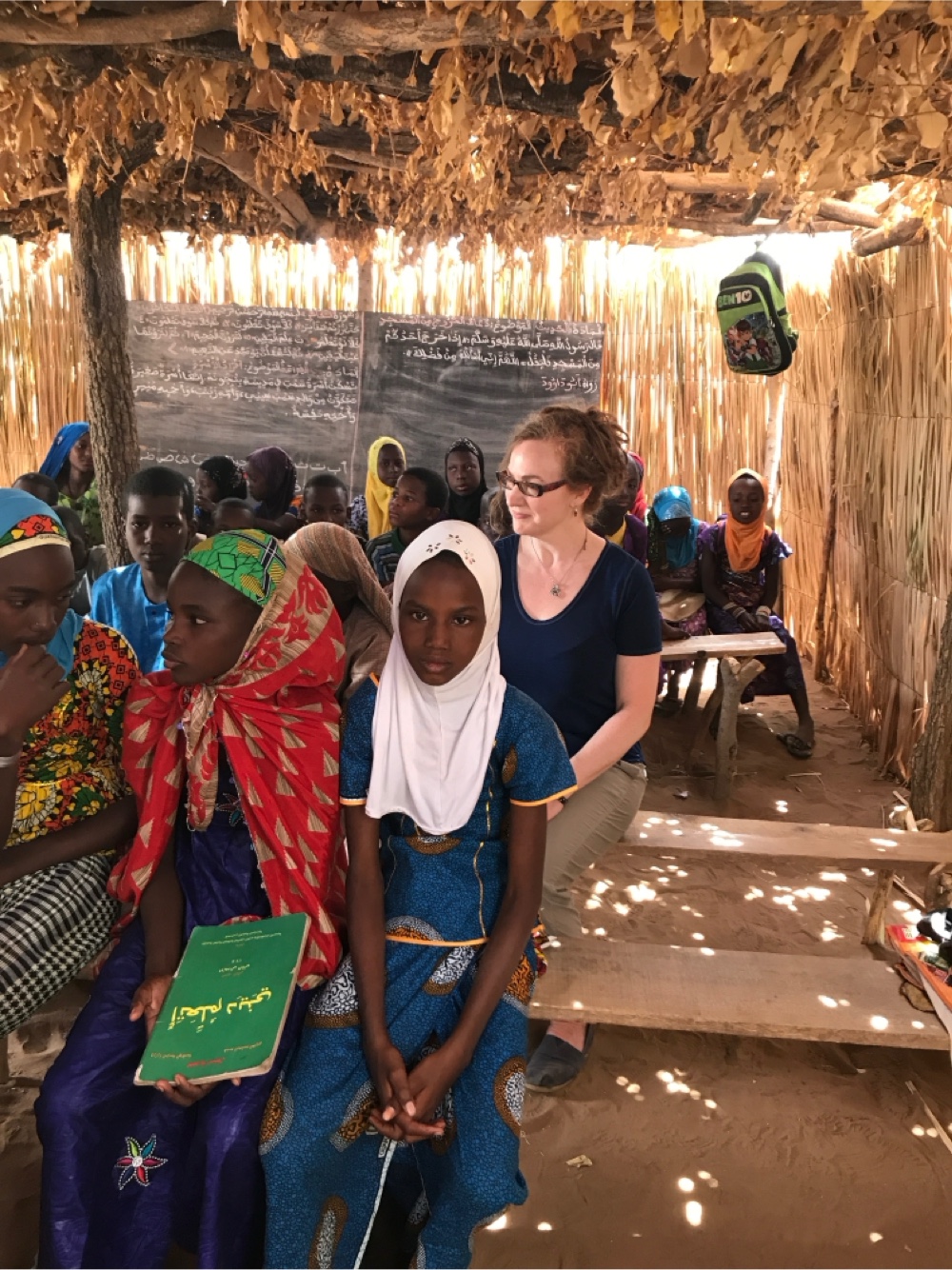


We distributed the remaining glasses. For two of the recipients, the glasses seemed to be life changing- an older lady, the mother of the teacher (or else, they may have had a running joke about her calling him her son- the senses of humour displayed here are epic), and a little boy, one of the students. The adult-sized glasses, super strength, were way too big for him. But, he could now see clearly, for the first time! I also left my bottle of advil with instructions for the wort cases of tooth decay-related pain. 
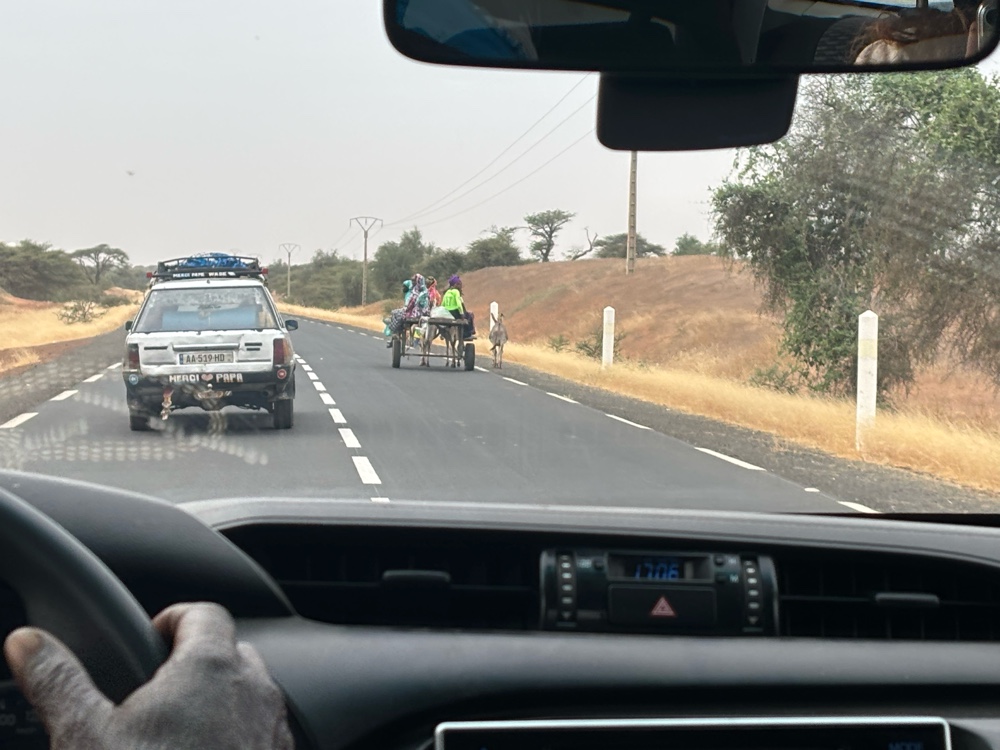


We reluctantly headed out once more, back in the direction of Louga, enroute to Saint Louis. 40 minutes later we left the rough desert track and rejoined the good road to Dahra, where we left our desert guide, Omar.  The road remained excellent until Louga. We sped up considerably upon joining the highway to Saint Louis- which was a concern as I did not have a functioning seatbelt- and we reached the Pont Faideherbe, safely, not long after night had descended.

Sunday, November 23, 2025

Karate and a Pause to Reflect


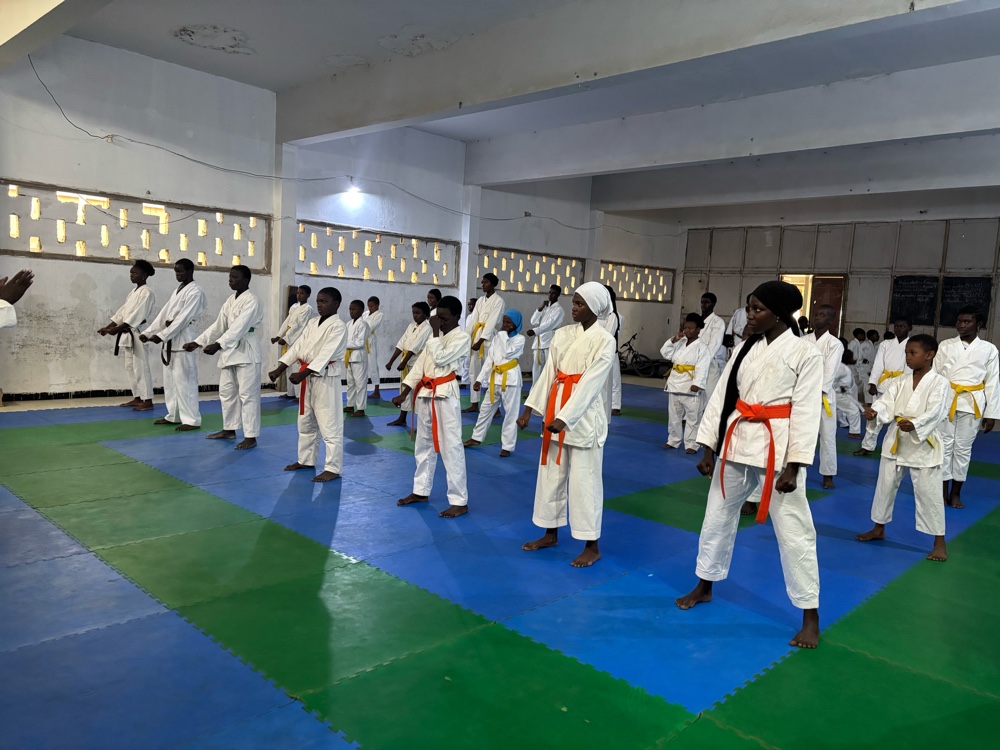
I felt sense of peace envelope me as I walked through the gate of Lycée Charles de Gaulle, past the administrative buildings, and across the sand toward the dojo. A soccer match was in progress on the sports field. I reached the Sor-Karate dojo and paused to bow at the threshold, then stepped through. One by one as the senseis noticed me, they paused their instruction to turn in my direction and bow. I bowed to each, in turn. Reluctant as I was to disturb the class in session, my excitement to be present in this special place had won out. Sensei Ignéty Bâ left his students in the good hands of another and came to greet me.


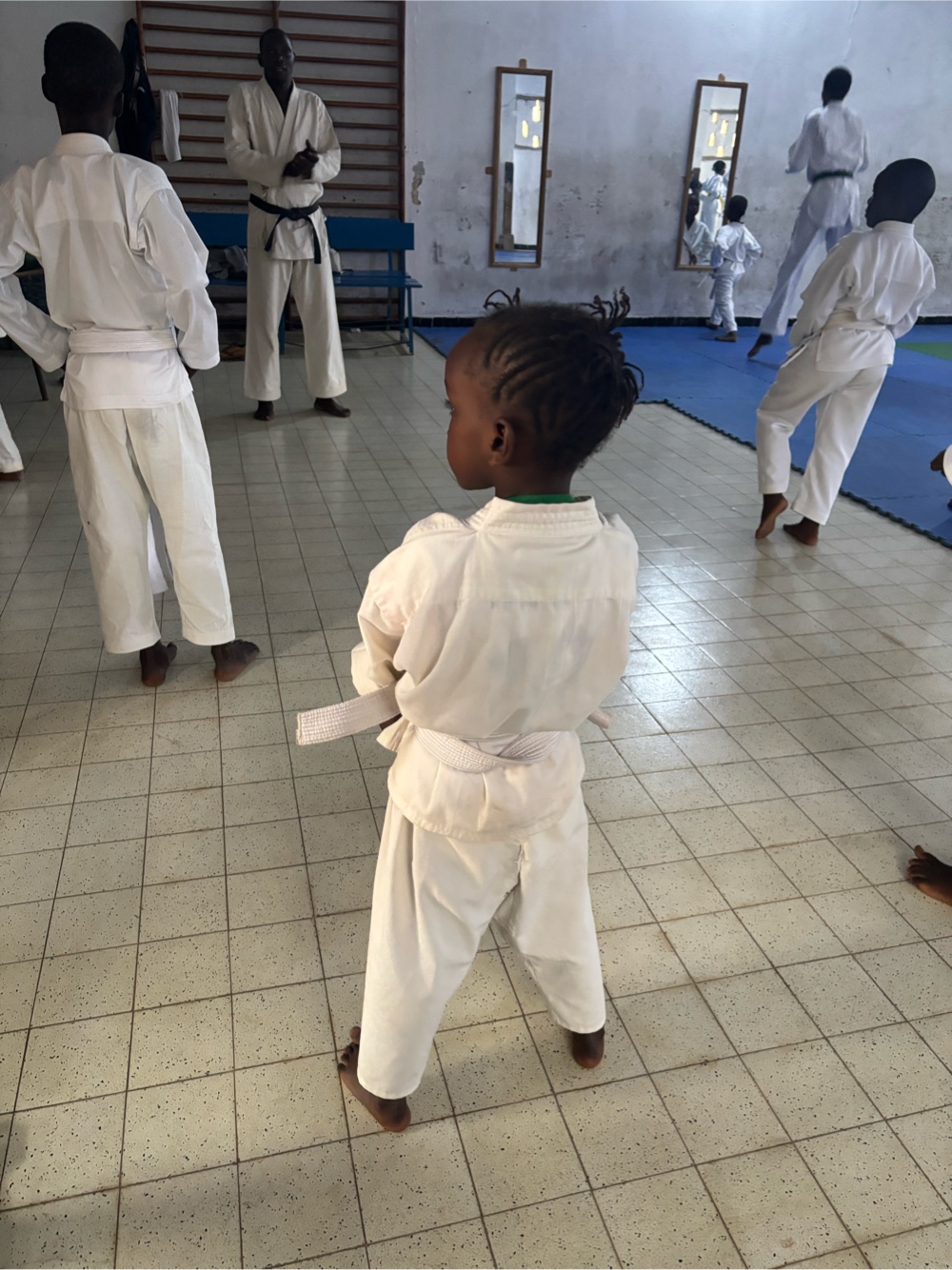
“c’est ton dojo” he assured me, when I apologized for the interruption. I did not come to train this time, but to observe, pay my respects, and to see Robbie’s protégés: 9 young karateka participating in this very class. The newest little girl, Astou, a white belt in the front row of beginners, was strong and confident, her kions impressively precise for her young age. Then again, she had been mimicking her older brother and sister’s katas since she could walk. She will not be a white belt for much longer, I think. Her siblings were practicing in the more advanced group. All the kids had impressive focus and form.


Astou

I admired the technique and discipline of Robbie’s more experienced students, there would be some future leaders and champions here. Robbie would be, is, so proud of them.


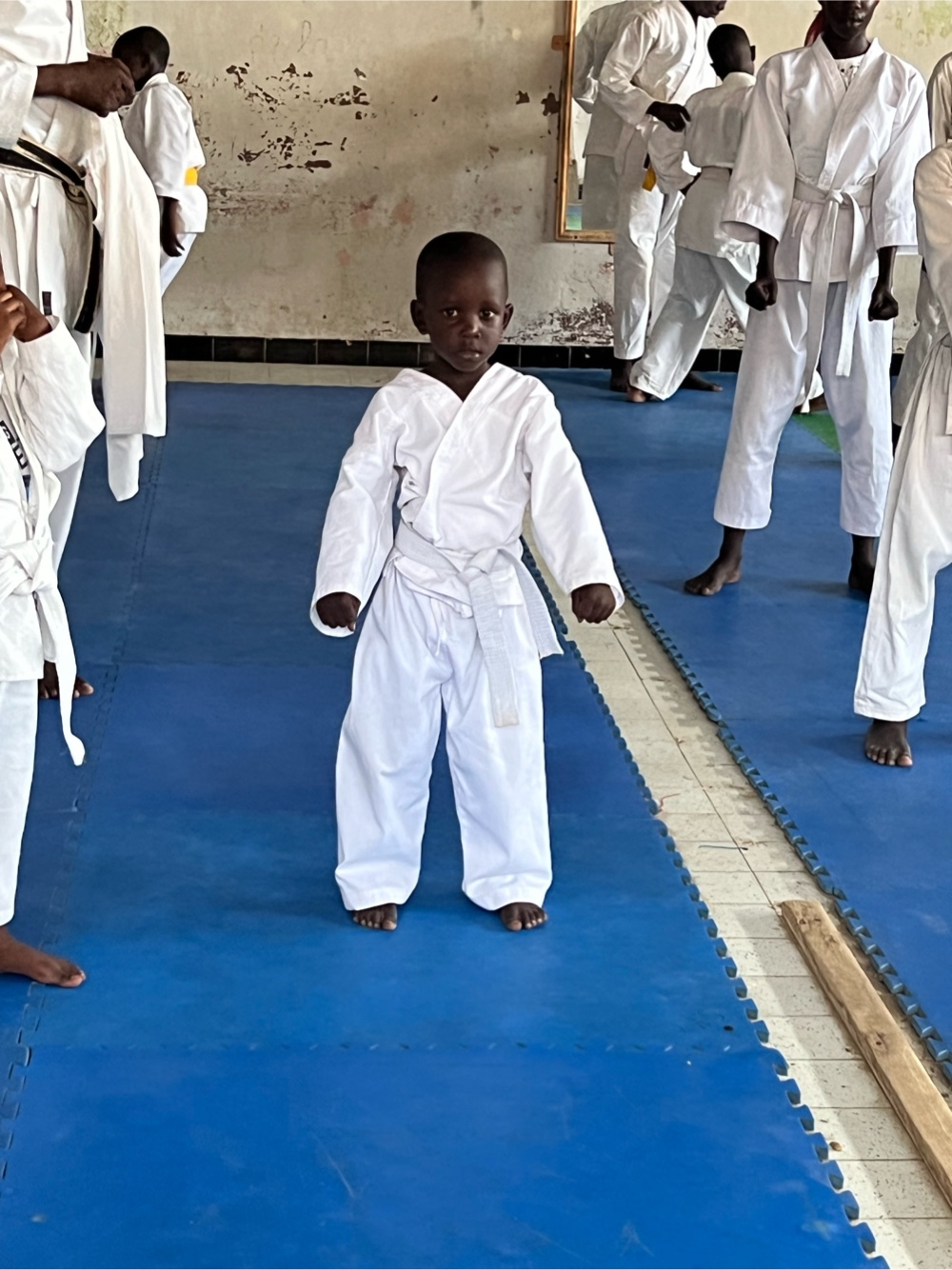
I searched the class for Djiby, he was the only one I could not find on the mat. Then a little person stood before me, saying “Sonia”. He was not feeling well, and was sitting out the class, waiting for his older sister and brother. He asked where Robbie was, those two have a special bond. Djiby and I looked at many karate photos together on my phone, and he told me he likes his school, and he held my hand.


Djiby a few years ago when he was a white belt


After class, a reunion with all the kids. During class they had impressively remained focused on their practice and remained undistracted even when they spotted me.


After the kids left the dojo, I had a talk with Sensei Ignéty Bâ about the Maison de la Gare karate program he oversees. Inevitably there are always issues to resolve. And inevitably we always find a way to resolve them. Robbie, Sensei, and I are partners in this important labour of love that Robbie began over ten years ago - bringing karate to talibés of Saint Louis. Hundreds of talibés have passed through these dojo doors,  

developing confidence, learning to believe in themselves. Hundreds more have passed through the gates of the Maison de la Gare centre to enjoy the beginner classes led by Bouaro there. 


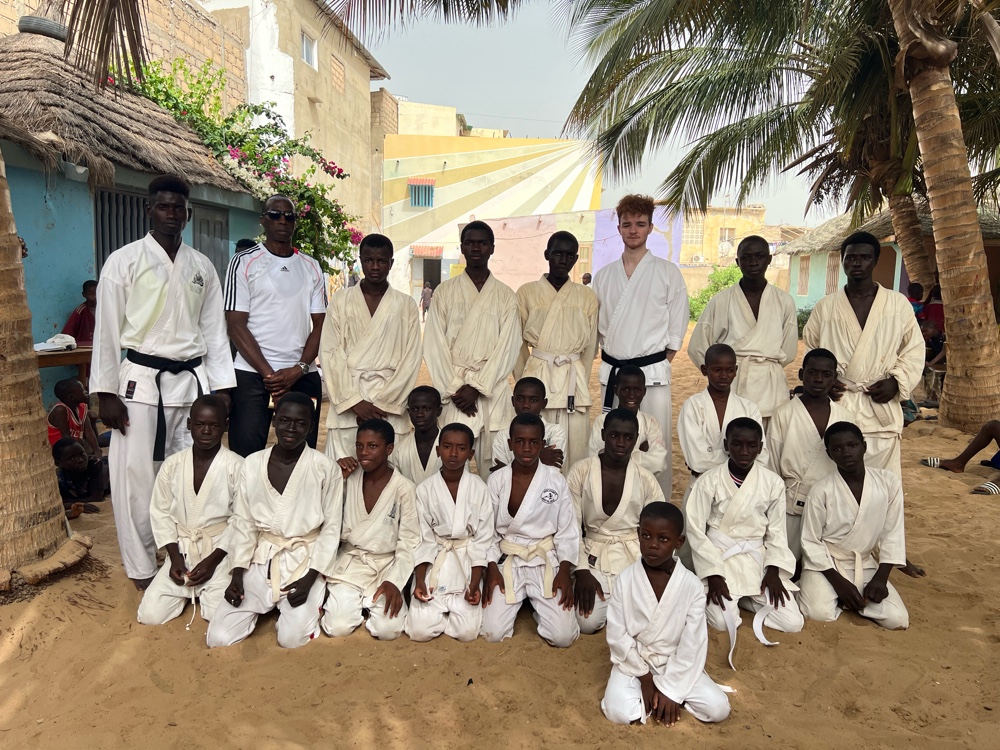
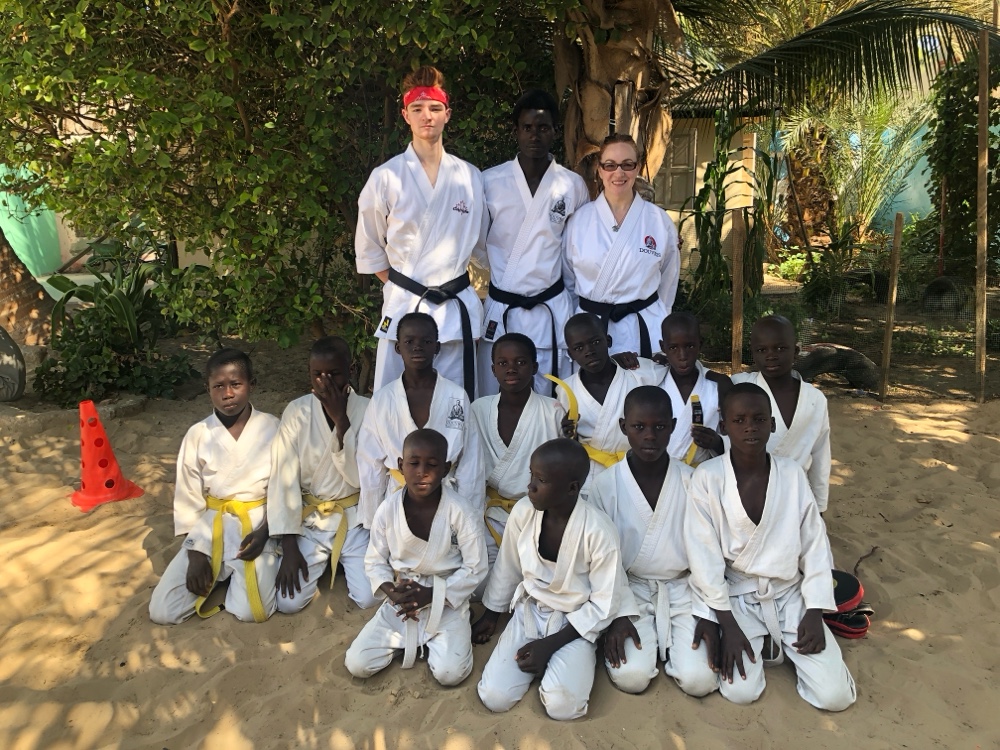
Robbie, Bouaro, Sensei Ignéty Bâ and MDG karate kids

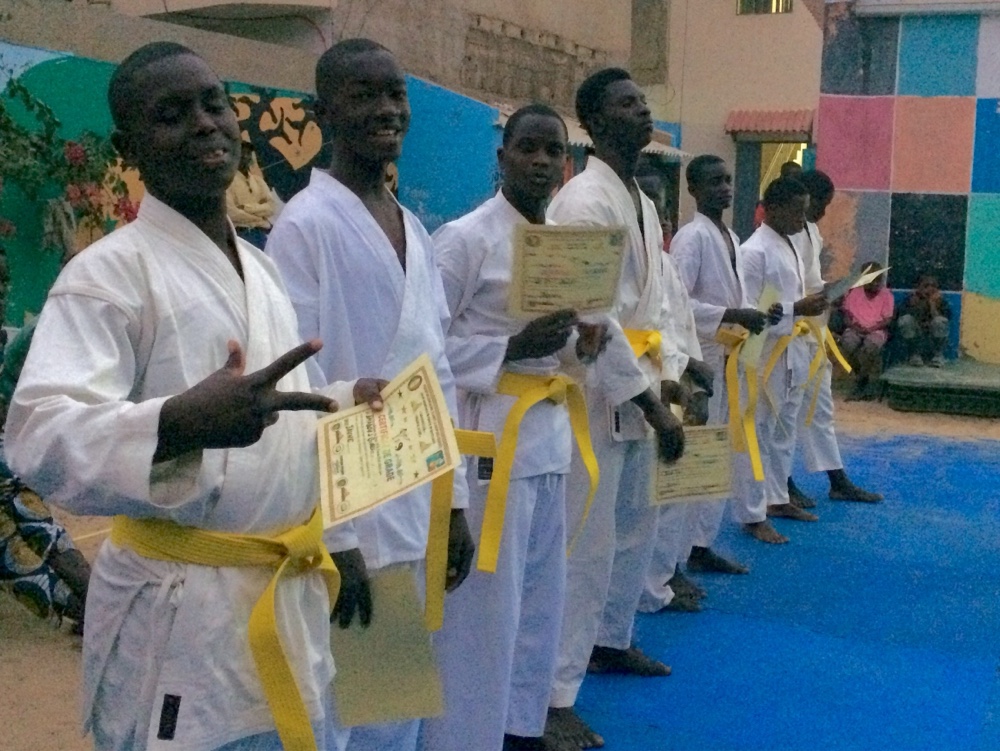
I learned that six more talibé karateka has recently succeeded in a passage to higher belts. Gradings here are no mere formality, and many attempt multiple times, after much training before finally advancing. We agreed to hold an advancement ceremony and demonstration at Maison de la Gare Thursday morning to celebrate these remarkable achievements. I look forward to it with anticipation!


a past grading ceremony

As I walked back to the Island along the Senegal River, alone as the African sun set and then disappeared, I reflected upon how privileged  Robbie and I both are to have been so warmly welcomed into this karate community. And how fortunate were are to have the opportunity to play a role in bringing the gift of karate to so many vulnerable children.


This morning, my Dad and I walked through the tranquil morning to the Cathedral. Inside, I let the at once soothing and joyful djembe drums and choral voices wash over me. Here, reflection seemed more easily to lead to a sense of peace, and I allowed my hope for this place and my purpose to renew. 


Saturday, November 22, 2025

Maison de la Gare


Since our last visit to Saint Louis much has changed at the Maison de la Gare Centre. But the feeling as I stepped through the gate this morning has not: tranquility, hope, refuge, love. 


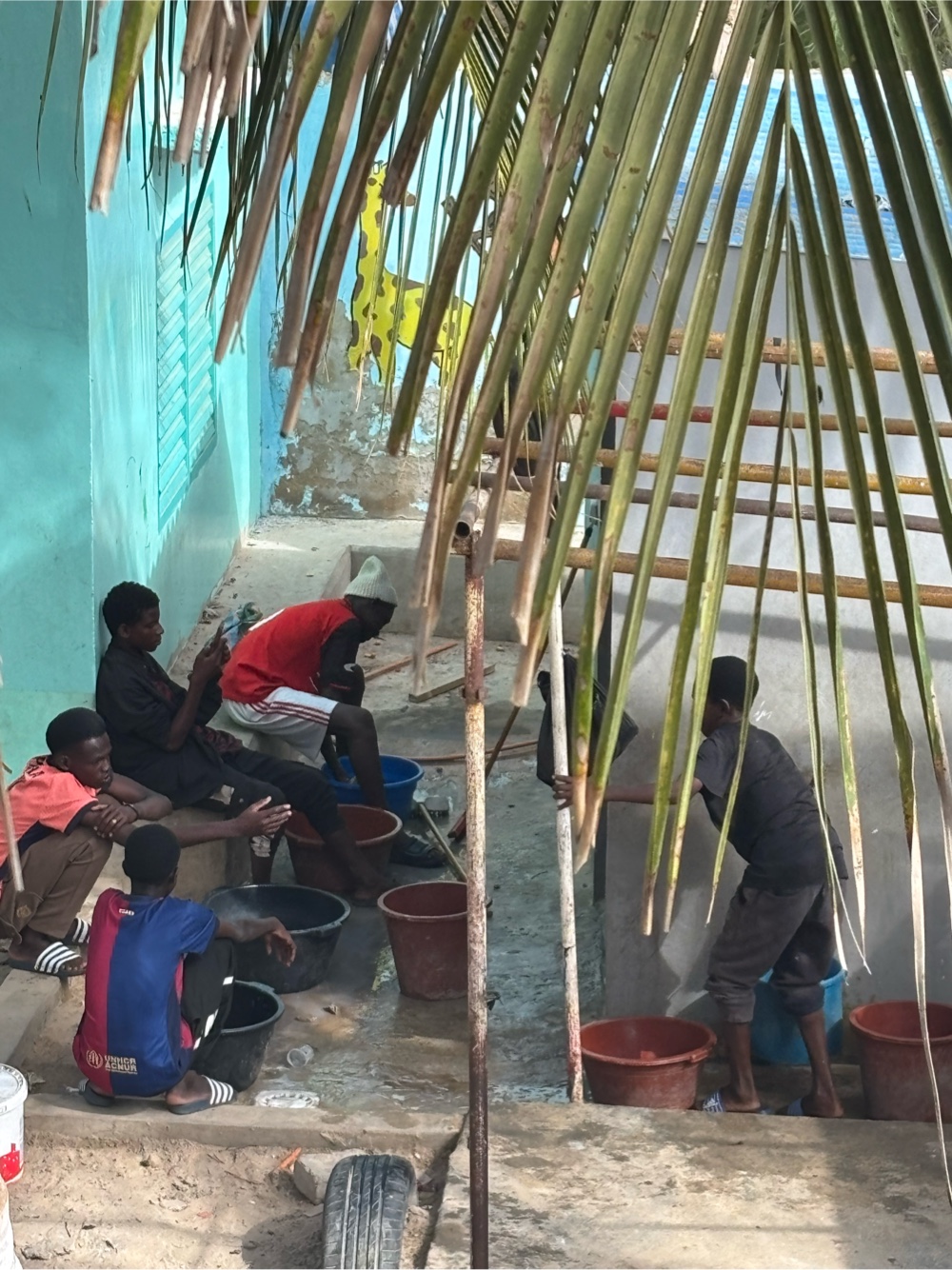
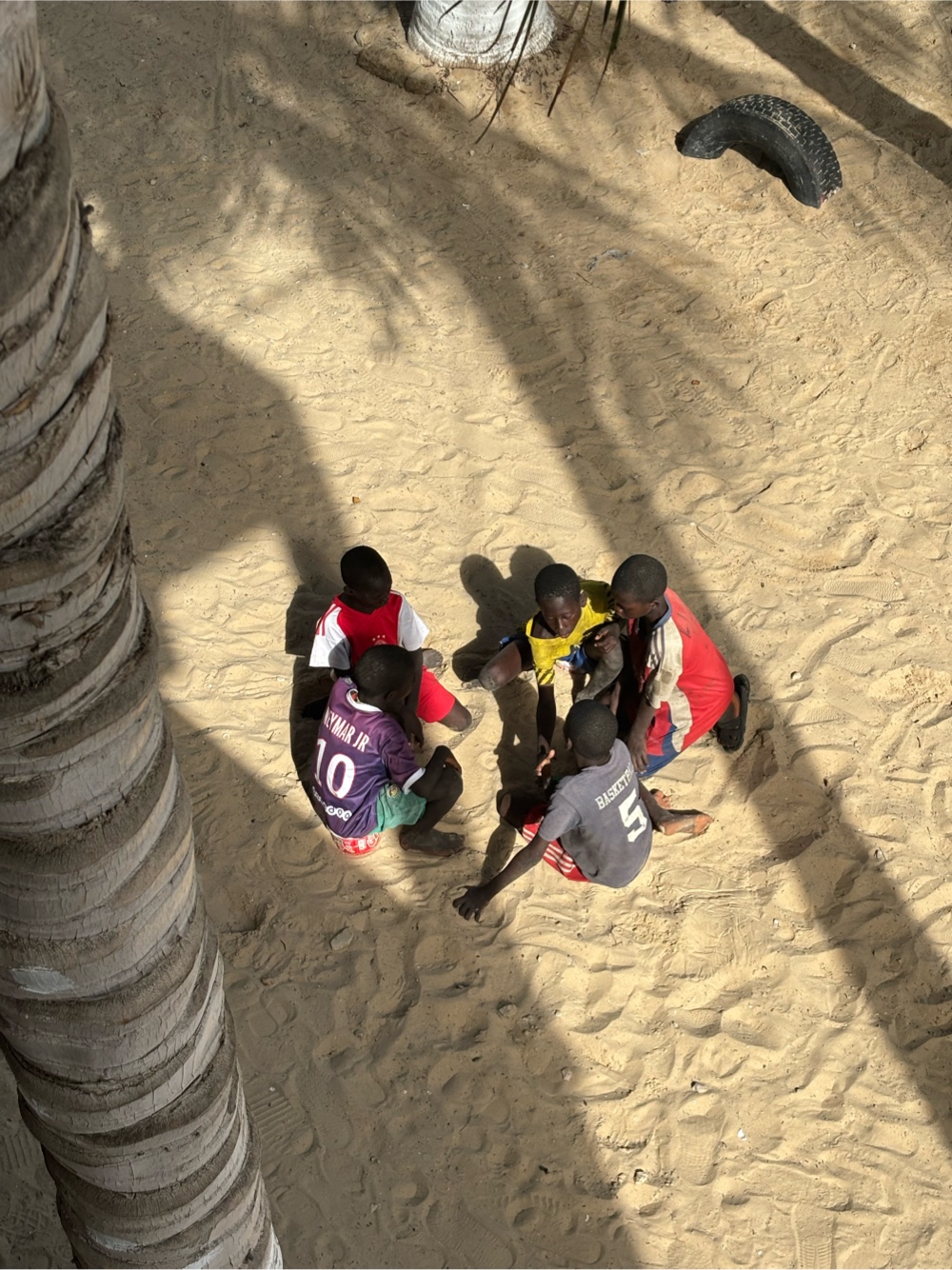
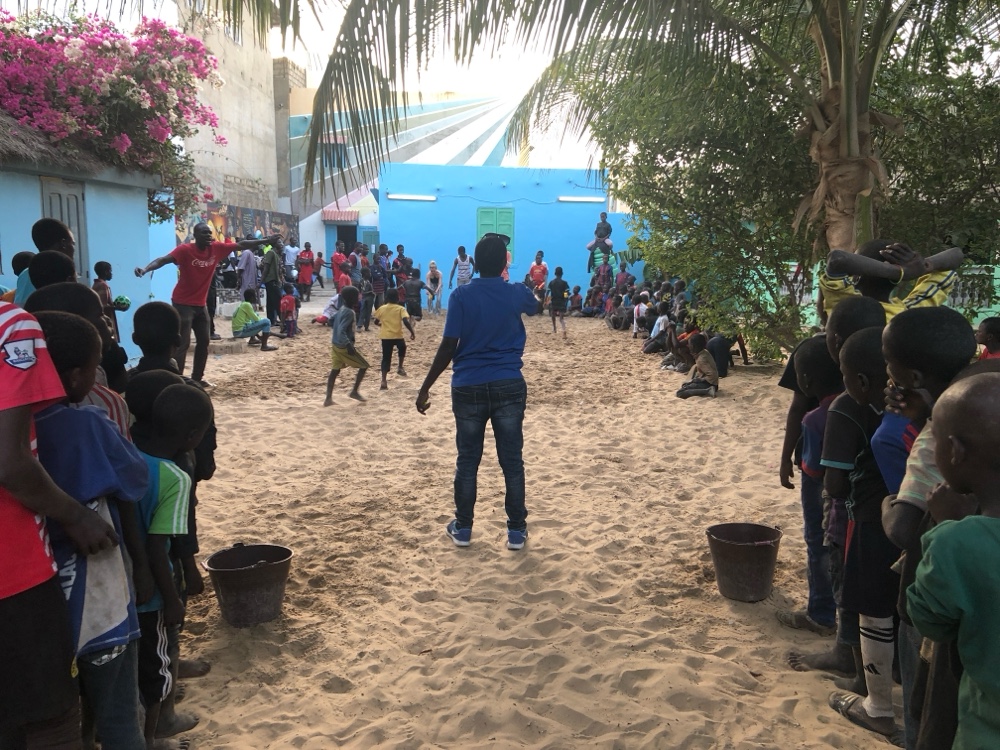
A circle of children were playing under the shade of the coconut trees. A few more were washing their clothes in the new hygiene area. Yet several more were waiting for the infirmary doors to open. A stray cat 


who has adopted the centre wandered by, stopping to stretch in front of the classrooms. Three little barefoot boys, empty begging bowls in hand, meandered in then ran to join their friends on the clean, warm, welcoming sand- begging bowls forgotten for now. All this felt like coming home. 


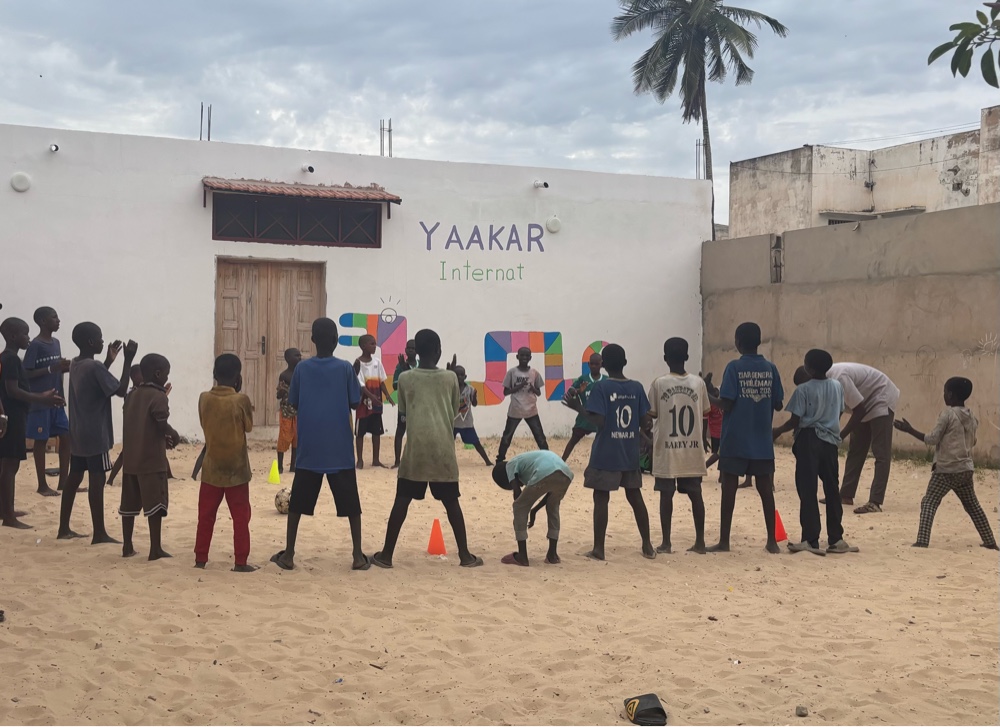
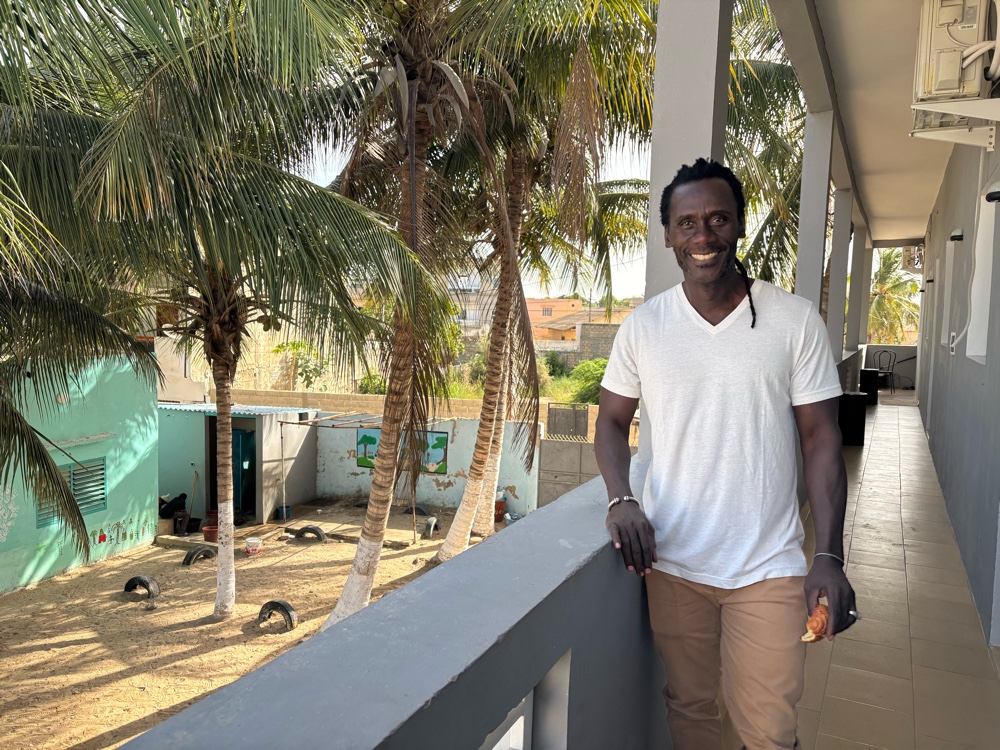
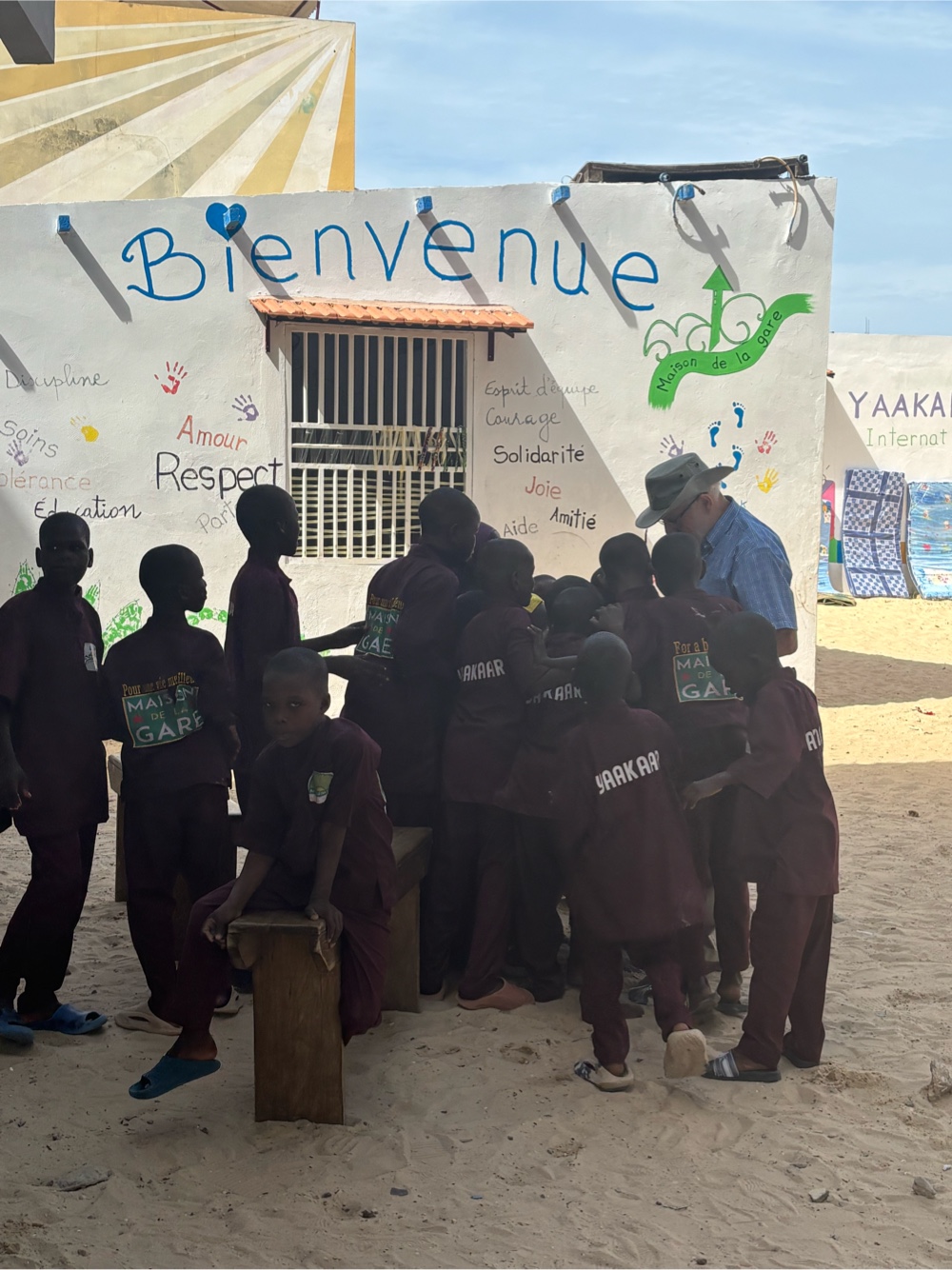
And yet, the place is transformed. A new watcher at the door recorded our names. The old, leaking offices and library are replaced by a new, two story complex with a balcony overlooking The Centre, including administrative offices, the microfinance centre, a welcome reception area where Noel greets all the talibé who enter and records their names and daaras, an impressive conference room, and an office for Issa.  The toilets and wash area have moved over to the other side of the property, now shaded by the coconut trees and a towering date palm. The classrooms fave been refurbished. A new library is being painted and furnished. An extension to the dortoir d’urgence has been built - a new live-in school for 20 talibés who are joined by eight girls who are day students. This new school, Yaakar, is a pilot project to demonstrate to marabouts, to the government, to Saint Louisiens, to the world, and to talibés themselves, that talibés have the same potential to learn and thrive as any other children, so long as they are respected, cared for, have access to education, and the support of a community who care about them. 


Issa Kouyate, founder and President of Maison de la Gare

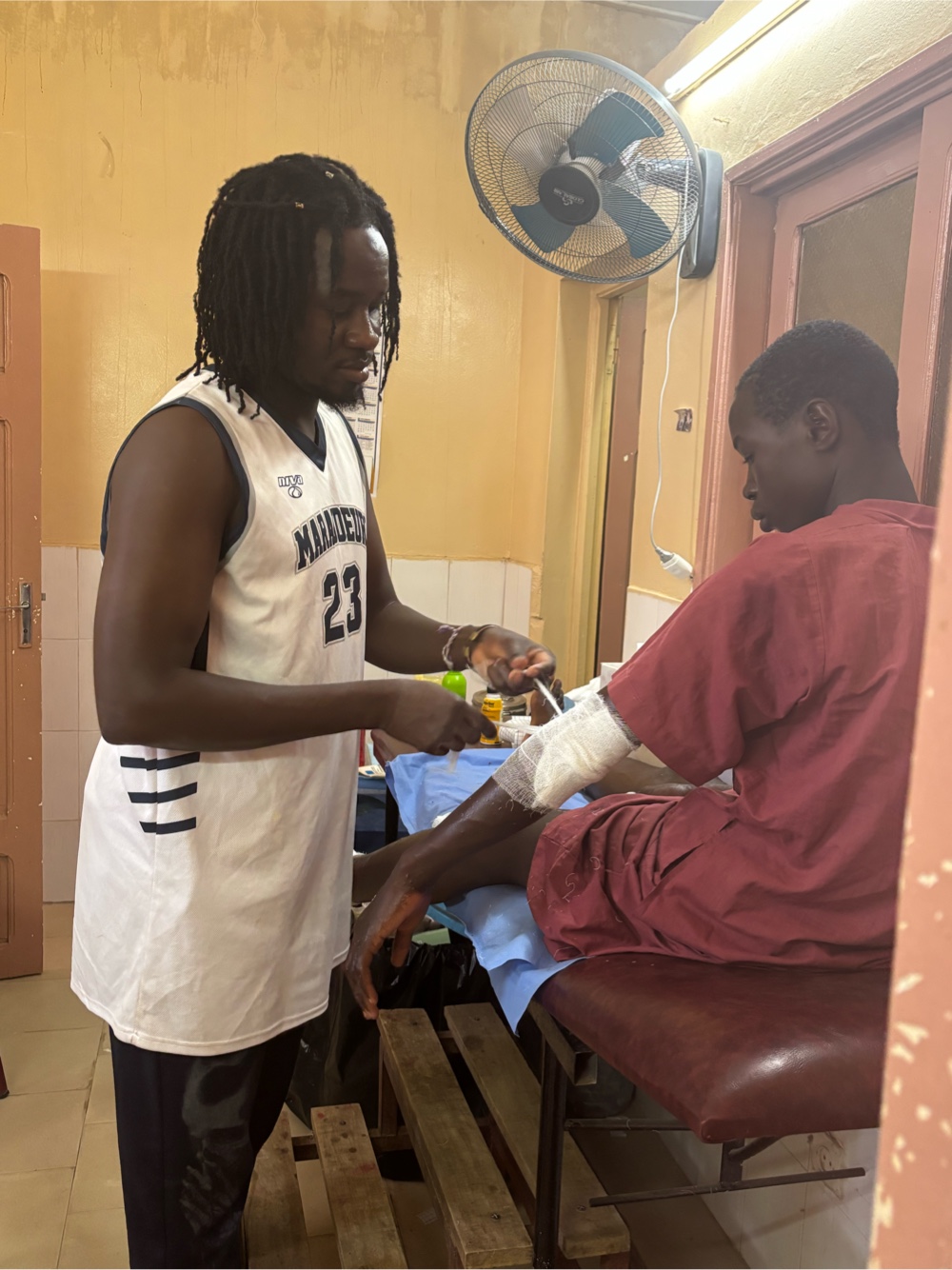
Kalidou spotted me, rushing over with a warm greeting and an embrace. Kalidou was once a talibé himself. Now he is a teacher, a big brother, and an inspiration to the talibés that they need not remain trapped in this life indefinitely. Elhage (“Americain”) arrived at the infirmary and began treating the steady steam of patients presenting themselves for care. 


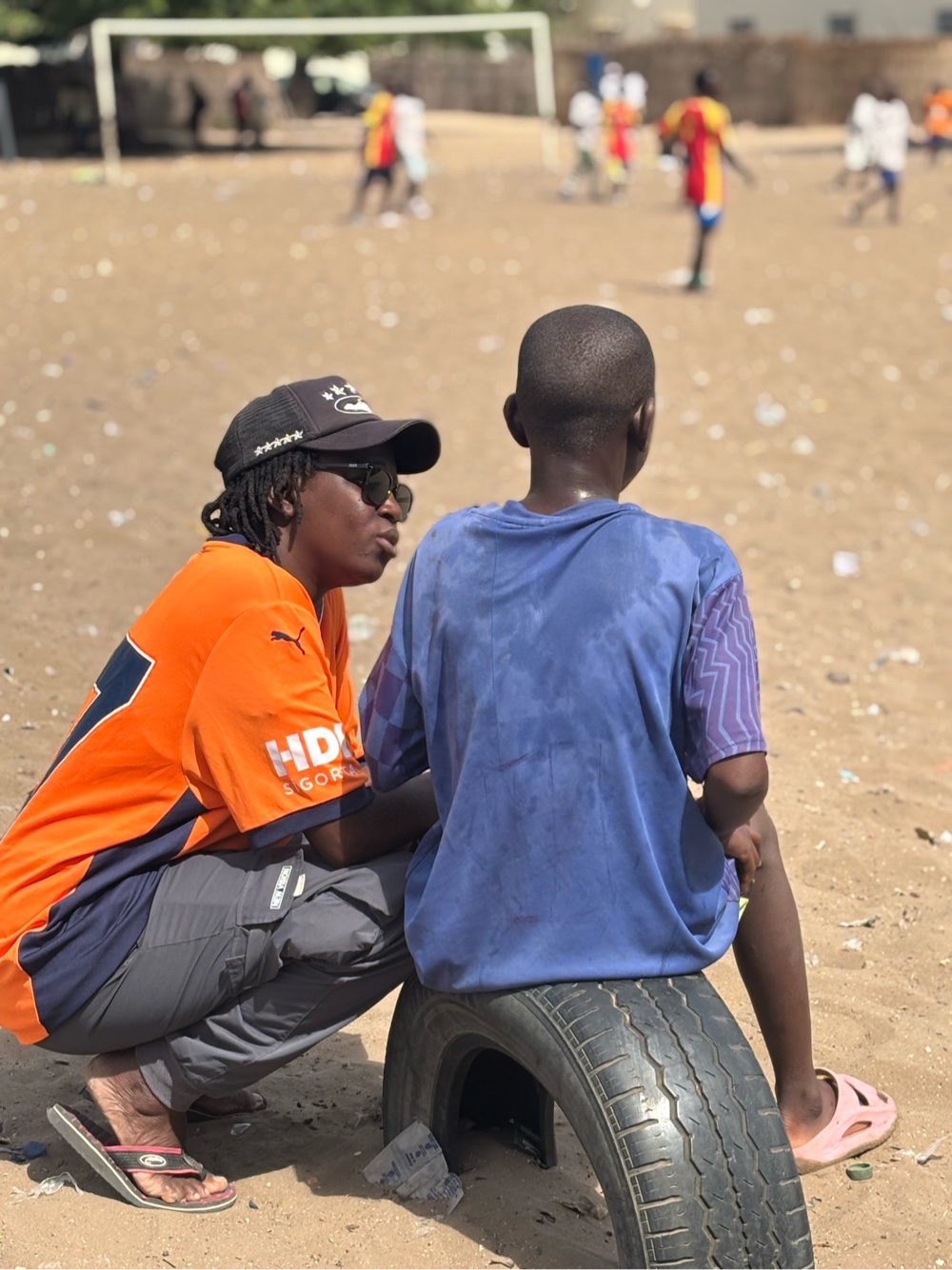
Dad and I were invited to a nearby soccer pitch to watch the game organized for the talibés by Lala. Four teams from four different daaras. Two matches, forty minutes each. No shoes or boots, some of the boys wore socks for a little protection. No one held back- effort was 100% as was the glory for the winning teams. But I could tell all the children felt like they had won. Lala is so much more than a Maison de la Gare sports animator. She is a coach, a confident, a big sister - family to these boys who have been separated from their own.


We returned to the centre for a meeting with the Leadership team. The flow of children to The Centre soon


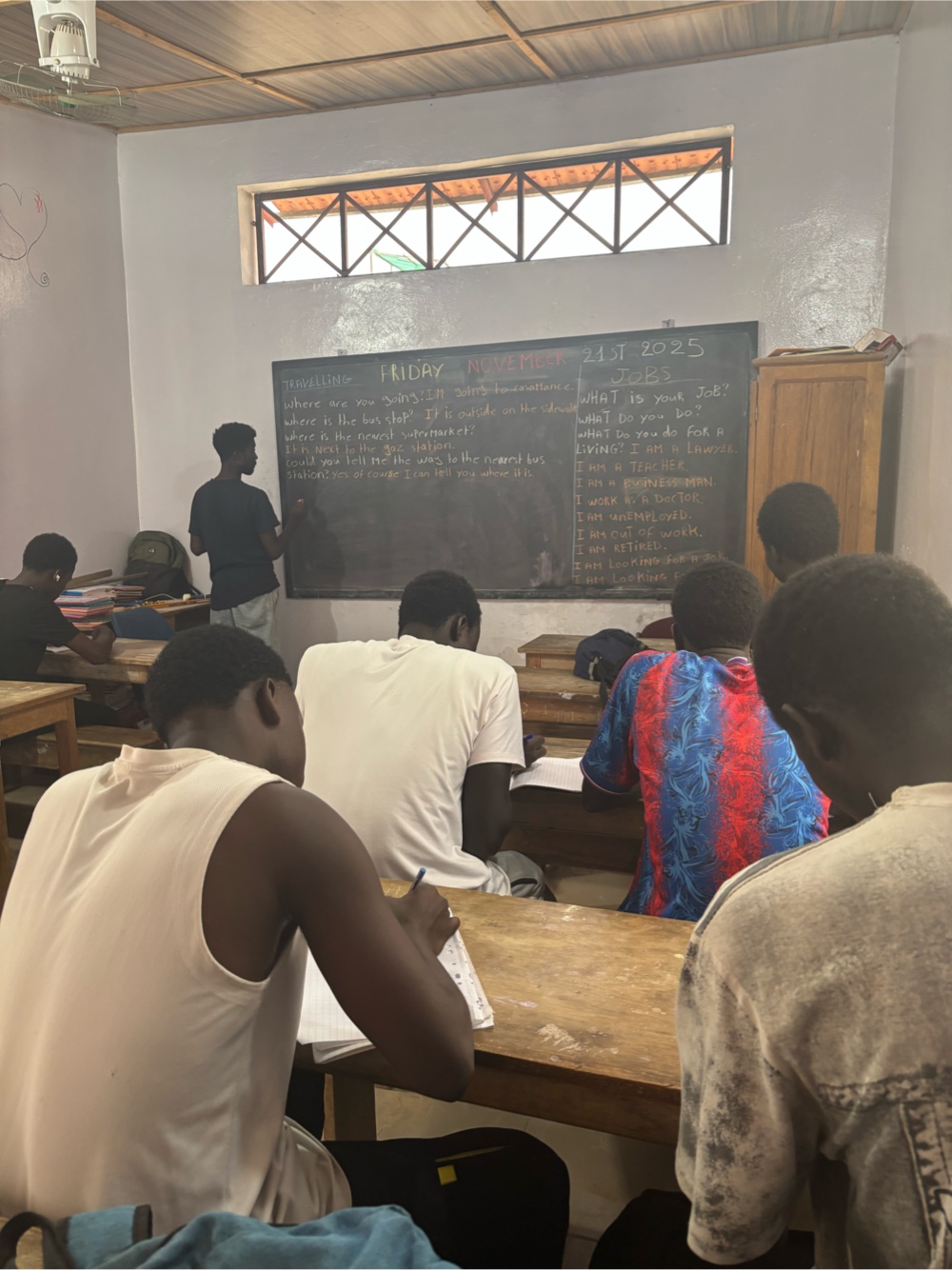
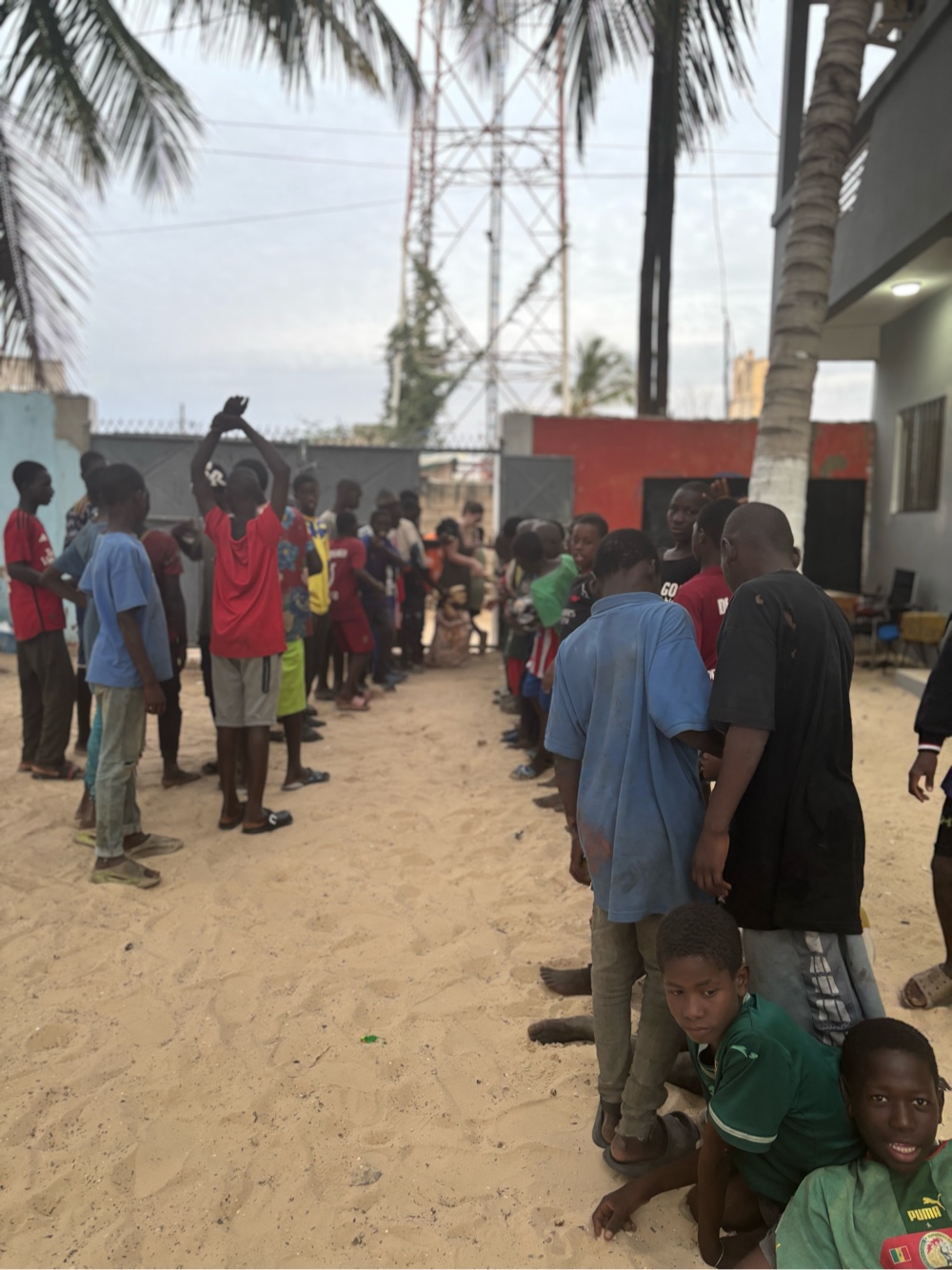
accelerated. Classes were in session. Then, Noel began to organize games- much needed play so kids could just be kids and leave the reality of the street behind for a time. It was glorious: Joy, camaraderie, mutual support, belonging, fun. Finally, the meal was prepared. As the last light of the day began to dim, The boys lined up, and Rowan handed each child their dinner before they passed out of the gates and  into the night, back to something so much less than this.


Issa Kouyaté’s long nurtured vision for this wonderful place is truly manifesting. it thus feels even more cruel that we have lost the United Nations funding, slashed with little warning after the United States government cancelled their financial contributions. This Centre for the talibé is an oasis to thousands of children living a life of neglect and abuse. Having experienced the wonder of this place anew today, we all feel a fresh commitment to re-double our efforts to adapt, find new funding sources, and keep this bright light in a dark world shining.


My Dad with the new Yaakar students


Thursday, November 20, 2025

The Land of Taranga Awaits


The past few weeks, months, really, have been intensely packed with life…work, clients’ landmark transition moments, deaths, stock markets, a book release, my daughter’s engagement, travel to multiple conferences, building projects, family tribulations, reunions with dear friends, and so much more. 


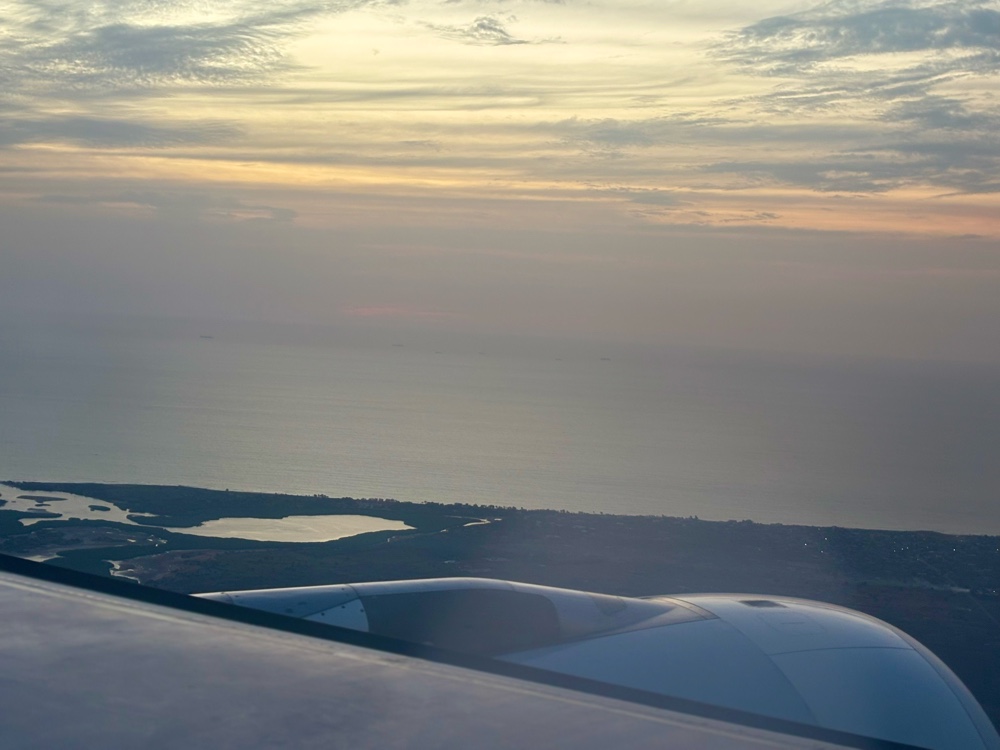
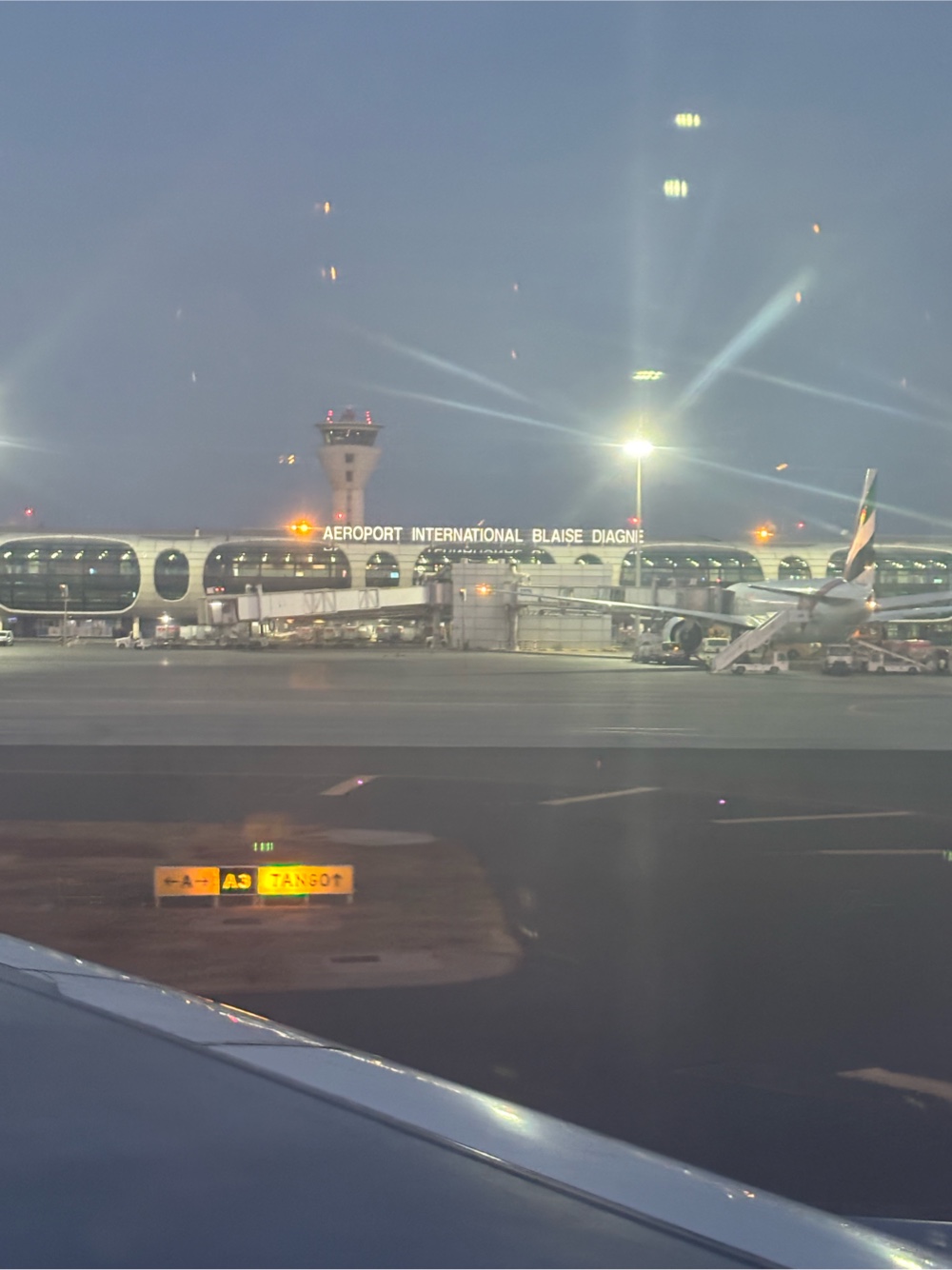
In the air now, flying over North Africa, heading south, all that is falling away. Left behind in another world, another life. Ahead, it feels as though an even more real life awaits. As we fly ever closer to Senegal, that feeling strengthens and the sounds and scents of Africa begin to overtake my senses. The call to prayer sings in my ears. My ideas are beginning to form in French instead of English. The faces of my Godchildren clarify in my mind. The challenges and miseries and joys lived everyday by the forced begging talibé boys of Saint Louis and the young girls in the remote desert region who have embraced education and are pushing back against early forced marriage invade my thoughts, displacing what usually occupies my mind. 


The day of our departure from Canada- devastating news: Due to the cancellation of US funds, an important United Nations grant my Dad has spent months of his life securing and maintaining for Maison de la Gare is no more. It is hard not to connect the dots from a new ballroom and some tax cuts in America to the possible impact on the daily lived reality of thousands of vulnerable children I have fought for for 15 years.


But I have learned Senegal is resilient. And resourceful. Maison de la Gare will find a way. Hundreds of Canadians, Americans, and many people in other parts of the world and in Senegal also help to sustain the work of Maison de la Gare. We will work harder to strengthen these other pillars that have helped build the Senegalese team that has led Maison de la Gare to become such a beacon of hope and change for some of the planet’s most vulnerable children. And hopefully new pillars will also be found, despite a seemingly ever more self interested and inward looking world.


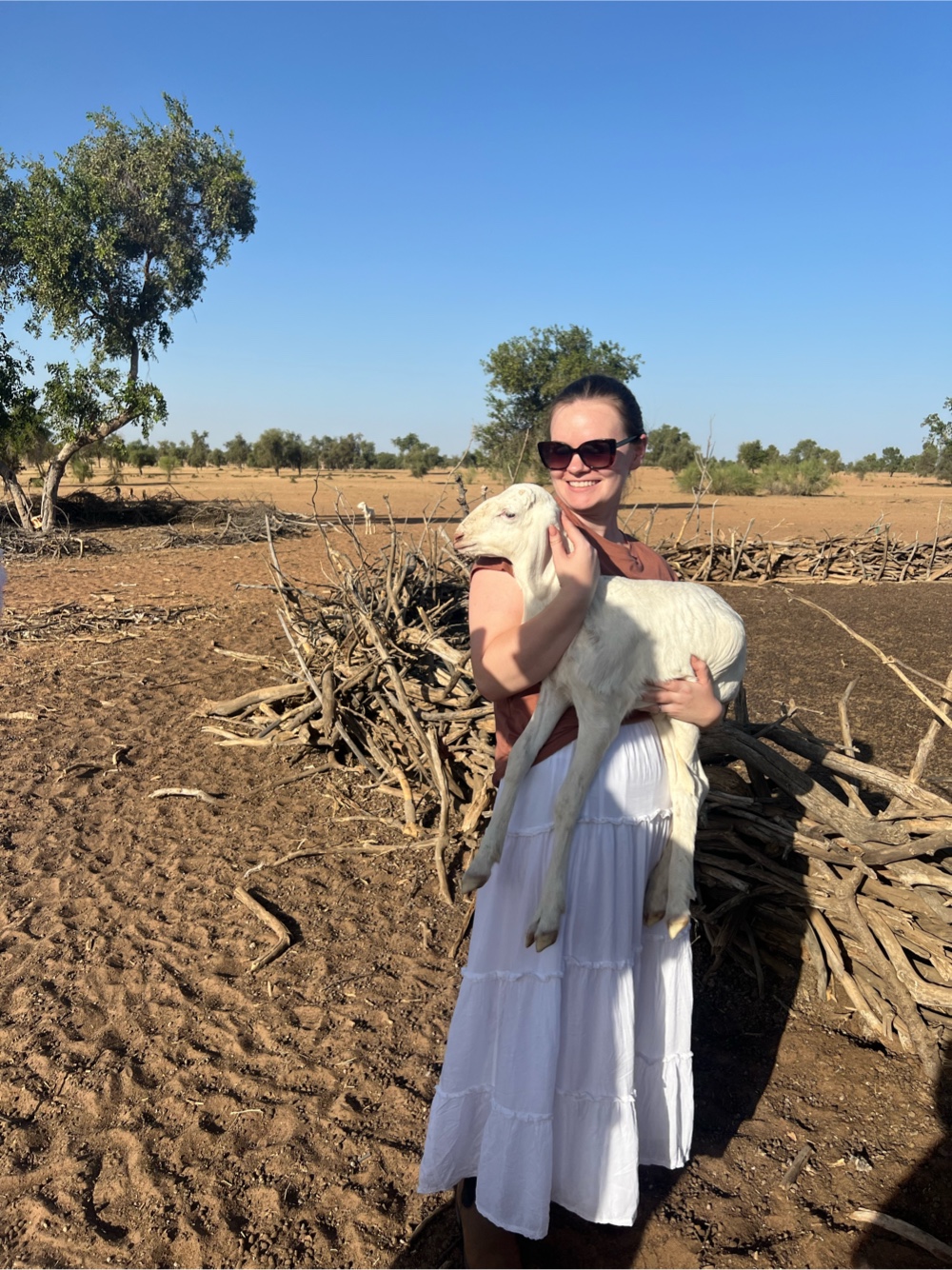
Through all this uncertainty, the project of building schools in the desert that has led to the repatriation of talibes to their homes, as well as opening education to girls, continues. We will be travelling into “the bush” next week to again visit the  village schools and to review the building progress of the new, third permanent cement school (replacing a straw school that had been destroyed and rebuilt too often after many rainy seasons). While visiting the schools, Rowan will present the second Suxali scholarship to an unmarried girl for a post secondary health care degree, and we will meet with last year’s inaugural Bourse Suxali recipient to renew her scholarship as she begins her second year of nursing studies. And of course, Rowan will visit her ever-growing flock of sheep- expanded from the gift of one small lamb over six years ago.


The welcome and smiles of our friends, many of whom are like family, await us. The karate boys, and their courage and perseverance and strength of character await us. The welcome of the land of taranga awaits us.


Sunday, November 24, 2024

Shifting my World


Miami Beach is 6000 kilometres behind me and Dakar lies 1000 kilometres ahead. As each kilometre passes, I feel pulled closer and closer to my second home. So much more than physically. My whole world feels like it is shifting. 


My thoughts are starting to form in French. Faces of karate students, talibés, villagers, Maison de la Gare staff, and other friends are behind my eyes as I try to get some rest in these last quiet hours. Failing. As I see the sun rising out my window over Africa, the air feels heavier, warmer. I taste the desert. The pastels of Florida are fading as vibrant, bright colours take their place in my senses. I already hear the cries of welcome, of de retour, les Canadiens! Hey, karate! And to Robbie: Le Champion! Strategies for better serving my clients and ESG investing factors diminish in significance as begging bowls and marriage précose lie heavier and heavier on my heart. Senegal. 


I have flown over this ocean that lies below me on the way to Africa many times. Dozens. But each time feels so special. A new adventure awaiting. I am as much in awe of this continent as the very first time I touched down on African soil. It’s ancientness, richness, vastness, the birthplace of all of us. It felt like coming home, even back then. 


My Senegalese Godchildren. My many protégés in school, studying for the unknowable futures that await them. So many karatékas who have found a passion and risen to it, despite their daily lived oppression. The Maison de la Gare staff, working everyday to make life better for children the world has forgotten. The villagers, so welcoming and generous even though they have so little. The village students for whom education has changed everything, walking for hours daily to attend school and for days to write exams far from home. The girls, who having tasted education will do anything to continue to learn. The boys, who when education was barred to them at home, would have walked across the the Sahara and crossed the sea to access it if they had to. The many friends I have met over the years, raising their families, instilling values and hope and joy even when they have so little. These beautiful people are inspirational.  It will be good to be back.


Friday, December 1, 2023

Suxali


Candidates for Bourse Suxali

My daughter, Rowan has big plans for this year’s trip to Senegal. Last year she planned for and helped establish a new communications position for Maison de la Gare, a local Senegalese to take over some of the communications work we, and in particular my Dad, do from Canada. How would she top that this year? 


Rowan studied international development in university, developing many ideas herself about what NOT to do. During her degree she had extensively researched and written about the talibé system in Senegal, its causes, and levers, and possible solutions. She has also been here fourteen times before, and had visited the bush region of M’Baye Aw in the desert twice. She had a theory. Education should help change social norms and diminish modern forms of slavery - for girls as well as boys, for some interesting reasons.


The newest school, built this year.

The remote villages had few or no schools. Young boys were often sent to the city to be talibés, and they rarely returned, emptying the villages of much male youth. For many families the prospect of learning the Quran in a daara was the only educational opportunity their boys would have. The girls married polygamously and young. Forced marriage at the age of twelve is common in these villages. It had a certain sad logic. No young boys, way more remaining females than males, poverty, no schools for the girls anyways, and the begging daaras are only for boys…


We have been involved for some time with a project of helping build and reinforce schools and financing teachers in several remote village schools. This was the idea and project of a friend of ours from the area, and we supported his dream for his region over the years, and linked the project with Maison de la Gare. Amazing things began to happen after the first school was built. Parents stopped sending their boys to the city to be talibés. Girls started to attend school too. Talibés in the city from the region were identified, rescued and returned home. After many years of this schools project there are now over 560 students, almost half are girls. And, no more talibés from these particular villages that have access to schools! Although classes in the villages end at age fourteen, some intrepid students who want to continue their studies into high school move to town, about three hours drive away, and billet with relatives. Some girls even, despite the unimaginable challenges they face, have extended their studies in this way. Once a passion for learning is lit, it burns.


Rowan and I visiting one of the schools several years ago

Last year when I visited the region with Rowan and also my son Robbie, something new appeared to be happening. When meeting the students from the villages that had travelled to the nearest town, Dahra Diollof to write government year end exams, we were met multiple young girls who were being pressured to marry. The age seemed to be increasing, though. Previously it had been age twelve, and now it they told us age fourteen was becoming more typical. But social norms take time to change. The reasons that caused this problem may no longer be in place. But customs and tradition remain.  Some girls told us they would soon be forced to marry by their parents. They begged for our help because they wanted to continue to study and not marry.


And so, we are establishing a “full ride” scholarship, Bourse Suxali: For Women at the Heart of Development of their Communities. We have set it up through the Canadian charitable foundation, C.F. Johnston.  The first Bourse Suxali offered is for the 2023-2024 academic year. For a girl in her final year of high school. A girl from the M’Baye Aw villages region. On condition she receives her high school diploma. To study post secondary health sciences of some kind (the idea of our friend, physiotherapist Vicki Chase who travelled with us). For up to three years- the time required to earn health credentials. Preference for an unmarried girl. For someone who wants to then return to help her village continue to develop and improve, and provide an example to other girls, and boys also, that education leads to better things not just for oneself, but for the community as a whole.


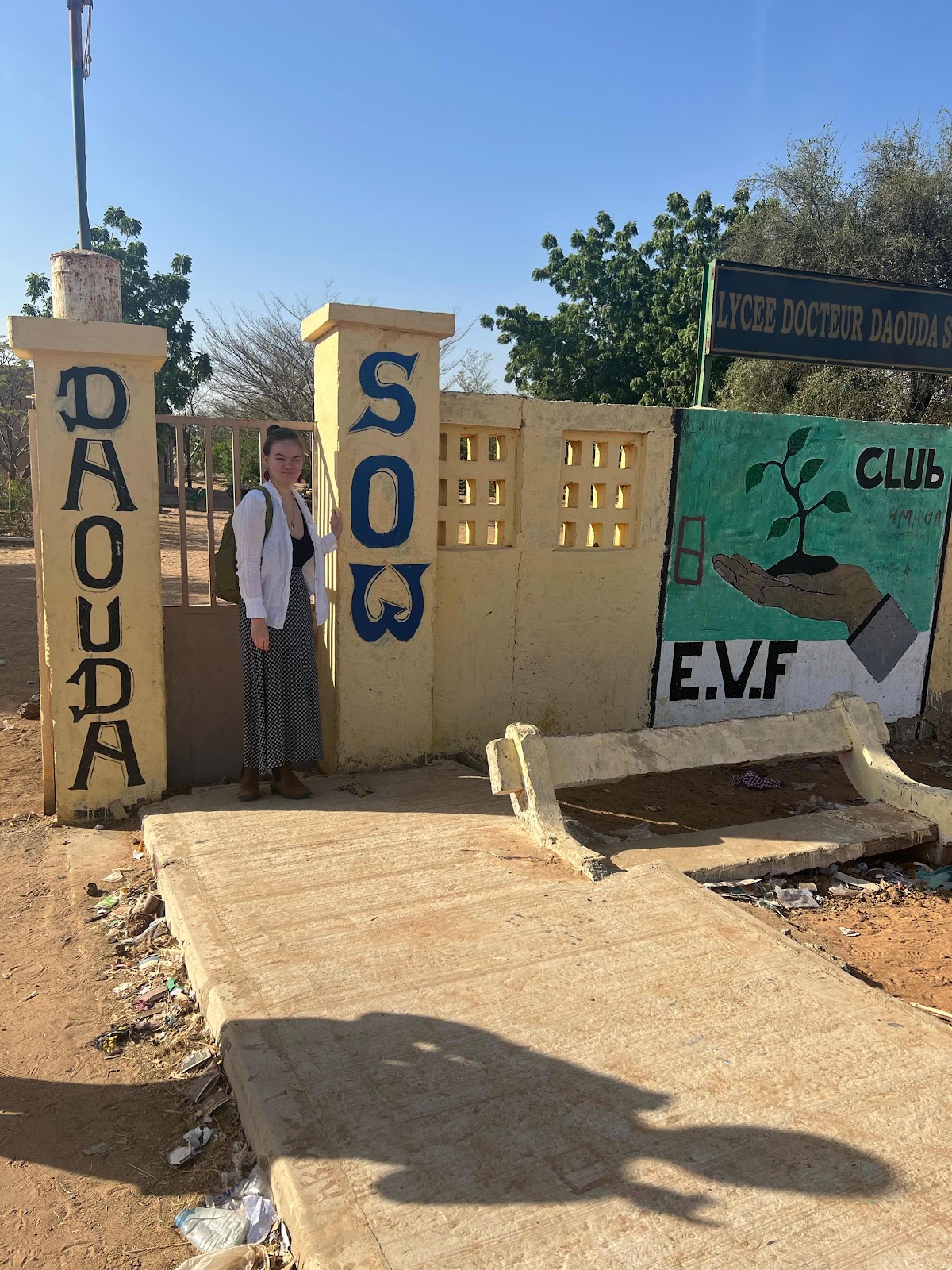
Rowan in front of a Dahra Diollof high school

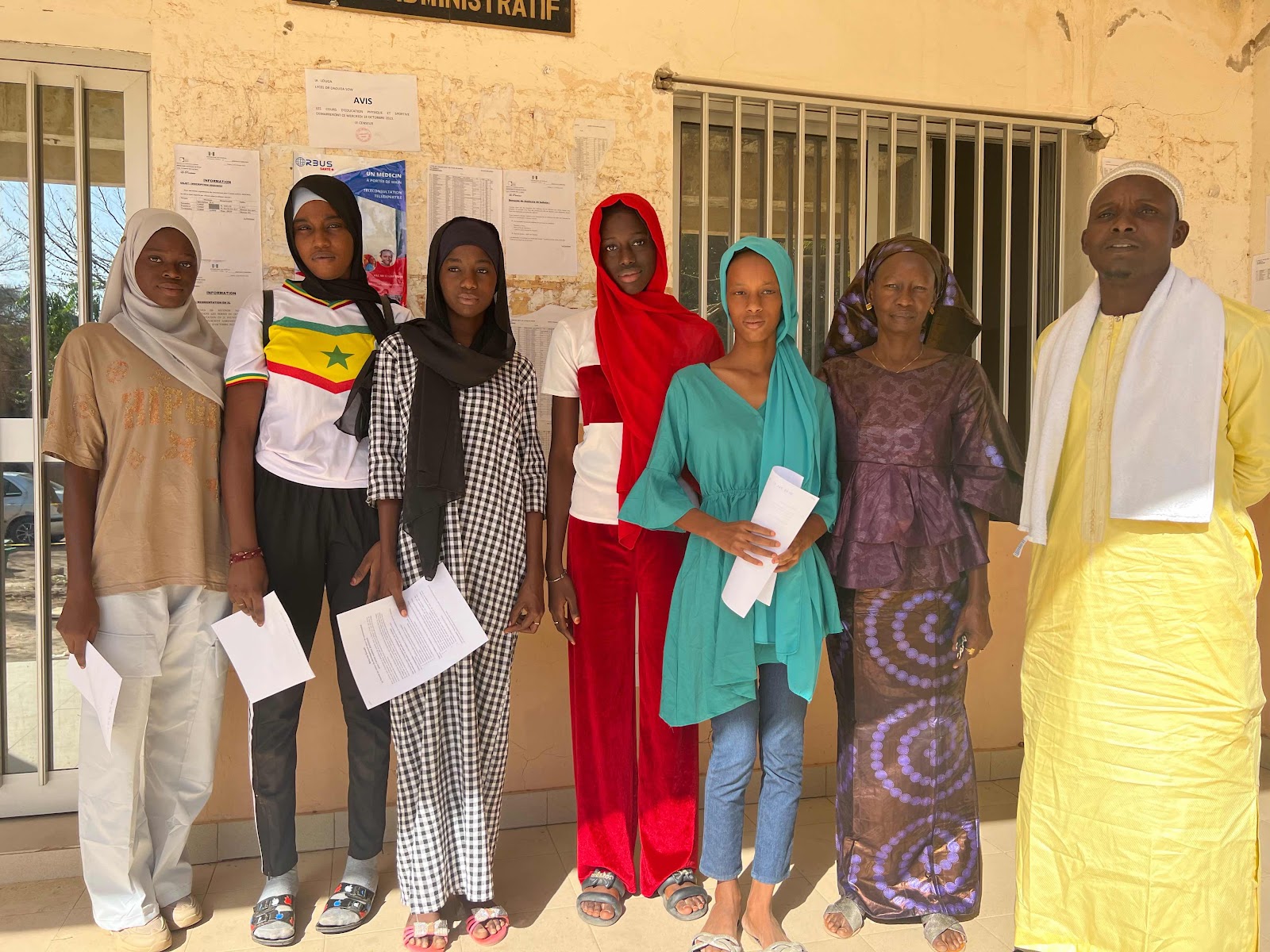
During this week’s trip to the villages, Rowan, Vicki and I met the president of a Dahra Diollof high school where five of the eleven girls from the region in their final year are currently studying. And we met with the girls themselves to ask about their hopes and dreams, to deliver the scholarship information and inform them of next steps. Two want to be lawyers, one an architect or geographer, one wants to join the army, and another dreams of health care. We also met one girl in Saint Louis who had run away from her village to pursue her education. She is in her final year and is an eligible candidate for Suxali. She wants to become a nurse. The president of the high school will take responsibility for informing the other five eligible girls from the other schools, as well as those now two and three years away from graduation, so they will be inspired to work harder and also spread the word, should this first scholarship and funding go well and we can offer more.


Cheikh, and administrator and some of the candidates sharing their education dreams.

Our friend Cheikh, the president of the village schools association, l’Association pour la rétention  des enfants en village et la diminution du mariage précoce, is certain the existence of Bourse Suxali will incentivize more parents to allow, even encourage their daughters to continue to study into high school and help relieve the pressure of forced early marriage. Rowan planned and is leading the execution of this scholarship. Vicki helped us define and refine it. We have funded the first year of Bourse Suxali, and there is time enough to fund the rest. It is Rowan’s and our great hope that we can fundraise sufficiently to enable a new Bourse Suxali to be offered every academic year to a new graduating student. And we would love to eventually offer a scholarship for boys as well, as they face terrible, albeit different challenges. Education is saving them from the fate of being forced begging talibés, and offering hope. Pas a pas, s’avance. Education changes everything. 


Preparing for the Big Day

For many talibés of Maison de la Gare karate is everything. It is something for them alone, when their world takes everything from them. It is confidence. It is strength, it is respect. It is passion. It is perseverance. It is family. It is hope.


Usually when we visit Maison de la Gare my son, Robbie and I and sometimes some other Canadian karate friends sponsor a karate tournament for the talibé karatekas of MDG. Since Robbie did not accompany me on this trip I was going to postpone until the next time he could be here. But Robbie insisted we go ahead, as it has been 16 months since his last visit and the last tournament, and it is such a wonderful event for these kids. Even better, he insisted on sponsoring the event to be sure it went ahead. (There is no budget at MDG for tournaments, gis, or even the membership fees - charitable grants are scarce these days. Everything depends on donations.)


Robbie with last year’s winners

We informed Sensei Ignéty Ba of Sor Karate in advance of my arrival so he could prepare a list of karatekas who would be invited to compete, and inform them of the impending opportunity. There are two groups of Maison de la Gare karate students. About 30 young ones practice at the MDG centre Thursday and Friday mornings, and 34 older, more experienced ones who are sponsored by donors in Canada and www.Globalgiving.org to be members at the Sor dojo. When I arrived at the centre last week Sensei let me know that in preparing the competition list he realized eleven of the young students at the centre had been practicing karate diligently and passionately for at least a year, in some cases several. He felt that despite being too young to be permitted by their marabouts  (the person who controls them in the daaras they live in and forces them to beg for quotas of money) to join the dojo as members, they deserved WKF licenses and to test for yellow. Of course Robbie and I agreed!

morning training

My first Thursday at the centre we announced to the young ones the eleven names of those who would be invited to test for yellow. Nine of them were present, and very excited about the prospect. The word would be spread to the other two. And all 29 were invited to participate in the tournament the following week. The next day I donned my gi and helped the kids prepare for the competition as well as for the rigorous grading test that awaited them. From past gradings Robbie and I have been invited to attend, I knew the pass rate to be about 60-70%. And we knew the main issue to be mixing up the Japanese names of different forms and stances and strikes and blocks. So I knew exactly what to help them practice. Interestingly, these kids has been passionate white belts for so long, they did not have the usual issues. The knew cold their Oisuki, Gyakusuki, adusuki, sotouki, garambarai, maegeri, their katas, and which was shodan, nidan, godan…and the kihon kumités looked good too. They all knew exactly when to Kia and how and when to salute. I had high hopes for grading day.


That night I also visited the dojo Sor Club to see the older MDG kids. They were also informed of the competition, and were very happy about the prospect for experience and the prizes. The Club Sor Demo team also planned a demonstration at the event. A visiting Karate Master from France was teaching a seminar that night, a great opportunity for the students. The President of the Regional WKF Association also attended the session, to greet the visiting Master. After. class, Sensei Ignety introduced all three of us, and thanked us for our long term engagement and love and support of the sport of karate. He also thanked Robbie indicating the MDG program and the hundreds of children it hasdeveloped in karate would not have been possible  without him. The Federation President similarly proceeded to thank us and discus the importance of karate to all martial artists and in particular to the talibés. I left the dojo that night feeling very humbled and honoured to be part of this amazing karate journey in Senegal. And…very proud of Robbie Hughes.


I arranged to meet the karateka hopefuls for the grading the following week at the center. We would distribute the donated gis I had brought from Canada, then walk to the dojo together for grading. The following day would be the tournament and the announcement of those who had successfully ascended to yellow. 


On grading day, some very worn out gis were exchanged, other very much too small ones were replaced. A final run-through of how to approach the ring, enter the ring, salute, and exit was reviewed for those who had only ever experience karate on the sand and never on a mat. Then we all set off together to walk from Maison de la Gare to the Sor Club dojo. We made our way through the streets, past vendors, down alleys, all at a brisk pace so as to arrive on time. I felt a bit like the pied piper for the 20 minute walk.


grading

After arriving at the dojo the kids donned their gis and lined up. Ten. Finally the eleventh, a yellow going for orange arrived. This was not his first time here, but for the others it was. Sensei would allow them to all remain in the dojo together, although they would be graded one at a time. This was a kindness, as usually all candidates wait outside and are invited in to grade one by one. For the candidates, nerves were understandably on edge. Expectations were high. Everything felt like it was on the line. The first name was called and I held my breath.


He began, and I let out my breath. He had this. And so did the next. And the next. I settled back and began to relax. But then, a very nervous boy turned the wrong way during taekyoku shodan. So hard to recover from that. He was thrown completely off. My heart broke as he was invited to step aside. There were no more mistakes from the remaining candidates. I was impressed! 


After grading the older karatekas arrived to help prepare the mats to be transported to the MDG center for the tournament. A horse-drawn cart arrived and the mats were loaded on. Night had descended, and the lights in the dojo had failed. But the cart was duly loaded up, and off it went to deliver the load.


The next day would be tournament day, souba. The successful grading candidates would be belted. And everyone would have their shot at glory! So much still to look forward to.