Followers

Sunday, November 19, 2023

Senegal Reflections


My daughter, Rowan, my Dad, Rod, and I are on our way again. It is amazing to realize I have thought or written or said this phrase 22 times now since that first trip to Senegal in 2010. I recall the feeling of stepping out of the airplane and into the African sun over 13 years ago. I had longed to see this continent that my sisters and nieces and nephew descended from so many generations ago. Where we all did, so many dozens of centuries before that.


Although walking down the steps of the airplane has become familiar, each trip here uncovers something new, brings new lessons, and still offers a deep sense wonder. At the vastness of the land. At the harsh natural and unnatural justice that seems to reign here. At the generosity and hospitality I experience every time. At the hope that persists, despite everything. At the grace so many seem to attain. 

Occasionally we unwittingly allow the mistake of feeling a sense that we are getting to know this place. But then that budding comfortable sense soon all gets turned upside down. Like when we ventured out after midnight for the first time on our first night run in search of runaway talibés on their own on the streets. Like when a few years after a visit to a daara to help a boy’s foot be saved with antibiotics, I met him again 


and he showed me that foot still intact, that just helped him win a football match. And when a child of my heart was invited and hosted to meet and converse with Pope Francis at The Vatican, because Arouna really is that special and amazing. Like when on another occasion visiting “The Bush” for the first time, hours into the desert to visit a project of school building that changed everything for that region. On another 


occasion receiving testimonies and pleas for help from ten and eleven year old girls who, having discovered education, are resisting early forced marriage. In another remote shepherd’s village receiving astonishing hospitality from those that can least afford to offer it. Seeing people willing to risk everything, even life itself, in pursuit of hope for an education such as so many take for granted back home. And like when a very special young man graduated from university, after having come so close to attempting a desert crossing in search of hope. Watching my 


daughter lead a live video interview between talibés and Commander Chris Hadfield. Helping my son Introduce martial arts and encouraging it to blossom among the talibés, uncovering confidence, pride, and generating new sense of belonging for so many who had none. The terror and triumph of being part of a family’s desperate and successful attempt to save their girls from rural relatives’ attempts to “circumcise” their daughters. Being honoured with a girl child being named after me. Being welcomed and surprised in so many new ways. Every. Single. Time.


What does this visit have in store for us? Impossible to truly predict. But, we will be visiting the remote region of the school building project. There are five schools there now. And hundreds of kids studying, over half are girls, and most of the rest are boys that were spared the fate of being talibés due to the new presence of a school, or have returned from the streets. A donation from a generous friend in Canada helps make this possible. Another friend is travelling with us this time, Vicki. I have no doubt her compassion and medical talents will lead to amazing things. And my dentist donated hundreds of toothbrushes. And my optometrist donated dozens of prescription glasses. And as always, our 


luggage is full of donated karate gi’s. Despite Robbie not being with us this time I will host a karate tournament at Maison de La Gare with Sor-Karate. A day for the talibé karate kids to be the stars. Rowan and I hope to figure out and establish a major scholarship for the rural new schools region, to help keep the hope alive. And so many friends and Godchildren to visit.


More than anything, it is the relationships I have built that keep drawing me back. acquaintances have become friends. Friends have become like family. My many Godchildren. My awe at the courage and determination and joy of the most vulnerable of children. And of course, the draw of Maison de la Gare. As imperfect as it sometimes is, it is an amazing grass roots place of refuge and love and hope for kids who seem to have been set side by society. And to do this with family is wonderful. Particularly to observe my own kids’ character develop through this service and love. And it continues to be awe inspiring to do this with my Dad, who made this all possible, and who continues to give so much of himself, with impossible energy and perseverance, to Maison de la Gare and its children. I am honoured my family and I have been welcomed into this place as partners and allies.

Monday, July 4, 2022

Schools in the Desert


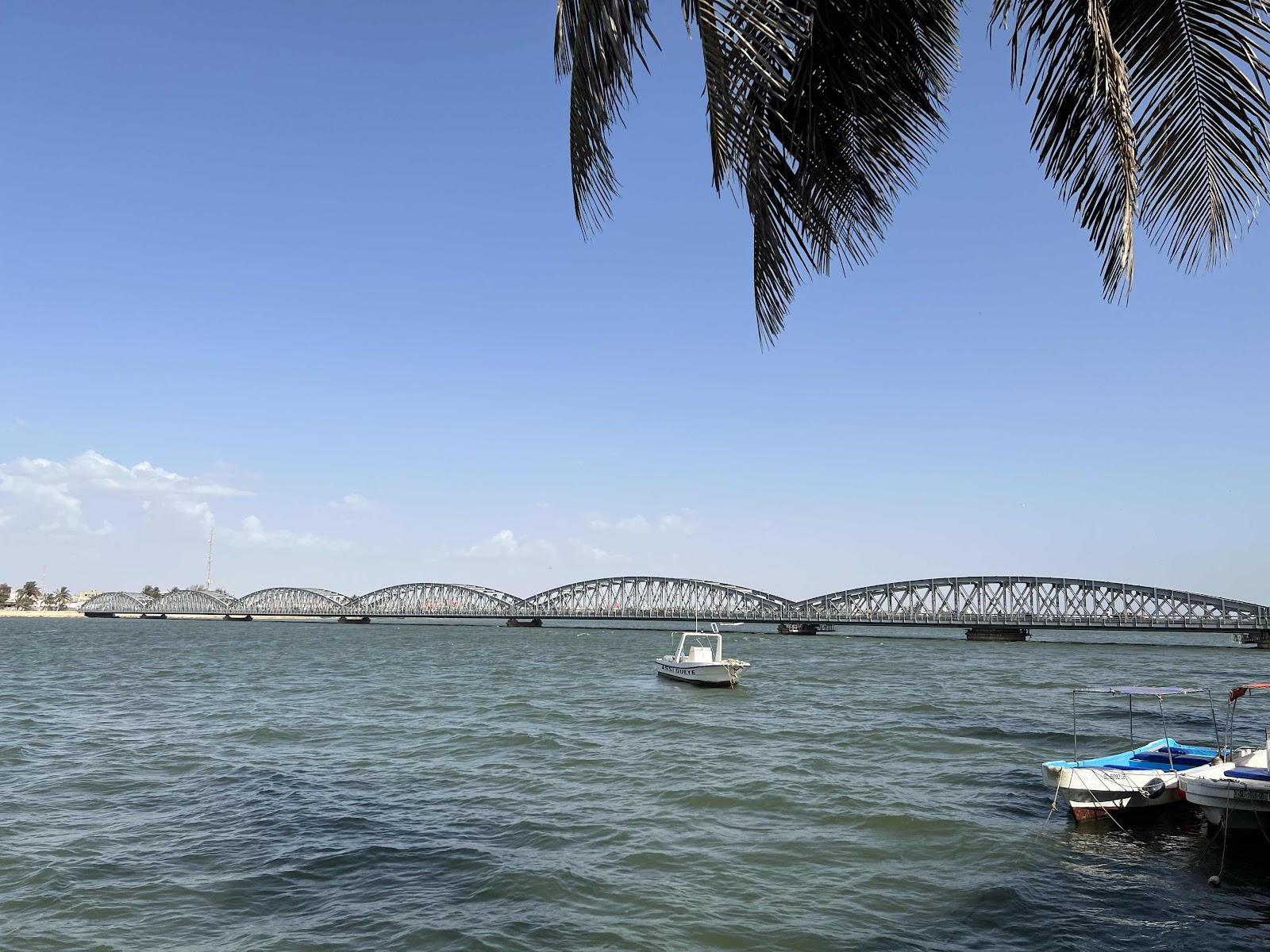
As we left the hotel behind us it was still dark. The crow of a rooster announced the new day about to break. The car was waiting. Our guide, Cheikh, was just arriving from morning prayers at the mosquée. We stopped to pick up Issa and Boubacar on the other side of the Pont Faidherbe, and we were on our way.


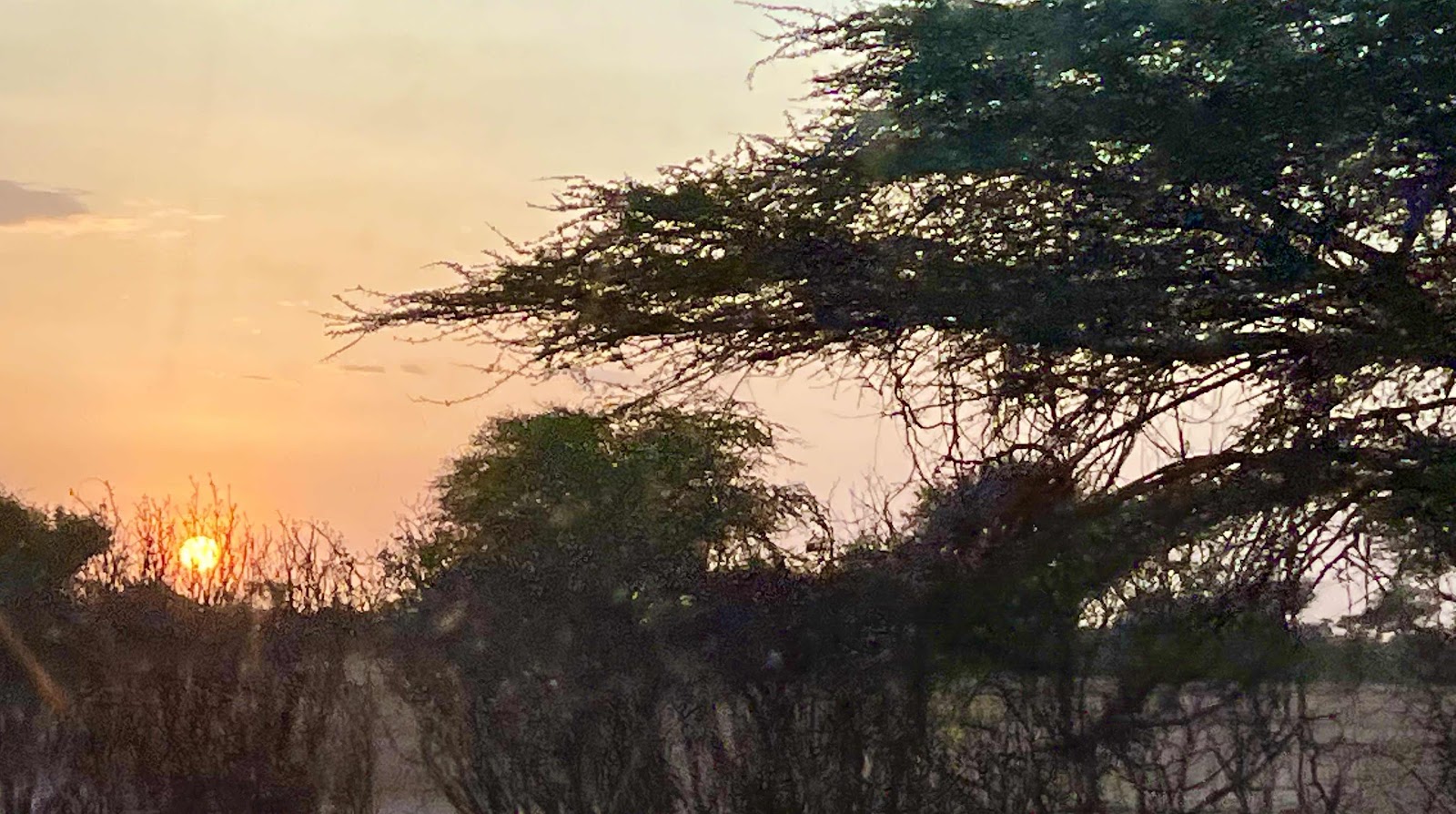
At Louga we left the highway and turned inland, toward Dahra Djolof. The sun had risen. The sandy breeze flowed through the open windows of the van, and most of the heat of the day was still in reserve.


After about three hours we stopped in Dahra Djolof to pick up our bush guide, Omar. He will ensure we do not lose our way in the desert bush. The first hour of the road was so potholed we mostly drove on the sand. Then we turned off even that road. We eventually arrived at the region of M’Baye Aw. Our first stop was the Médina Alpha school. This was the second of five schools organized and built in the region as a pilot project. The first built permanently, of cement. 


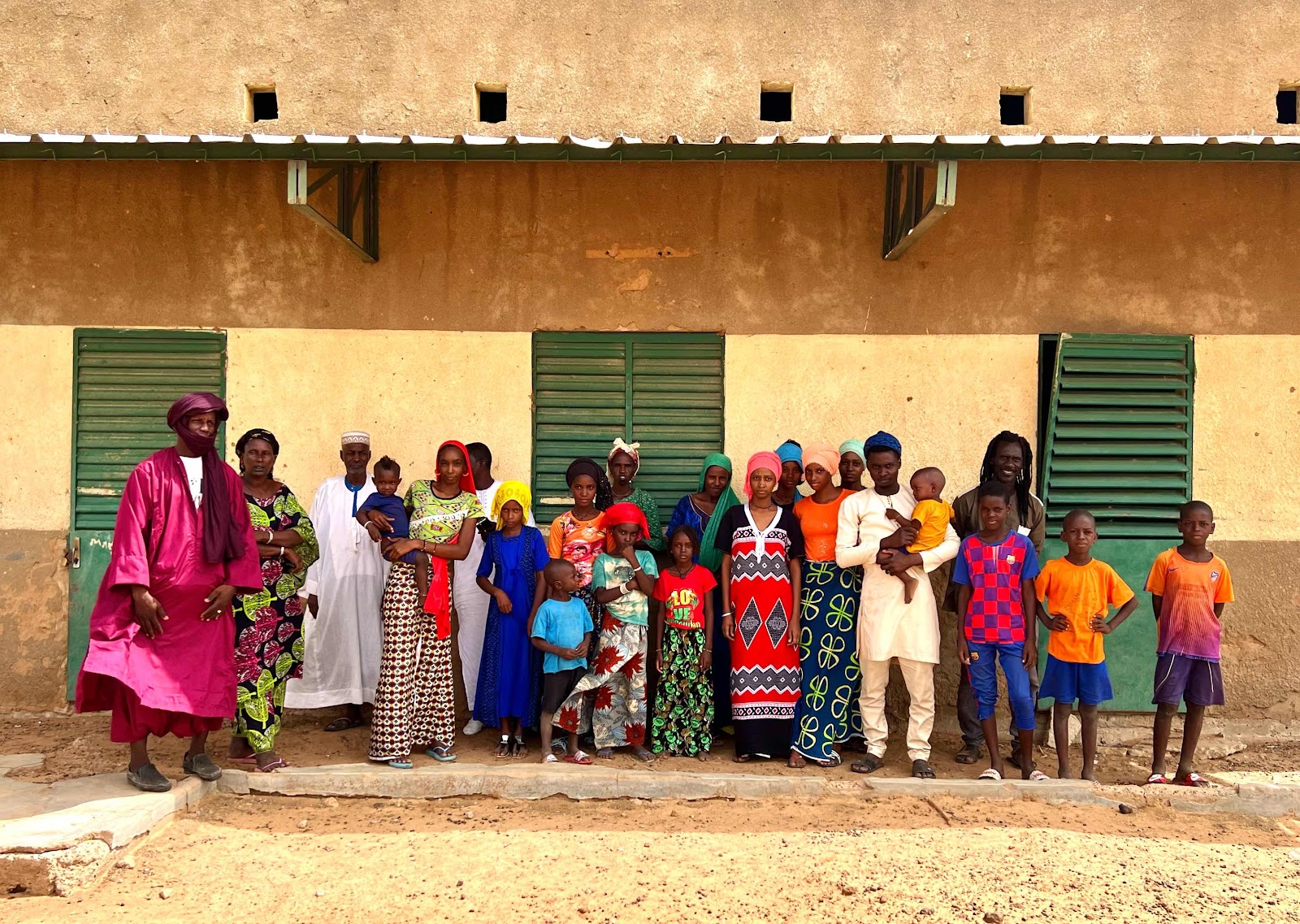
As we left the vehicle, villagers began to make their way curiously toward us from distant huts. Parents, some past students, and some current students were in the group. The class was not in session, as the teachers and many of the students are currently in town, writing final state exams. We asked if the past and present students would allow us to photograph them in front of the school. A parent phoned the village elder who came to observe the situation. After a discussion with Cheikh, he granted his permission. 


After the pictures were taken, more villagers who had initially been reluctant to be photographed insisted we re-take the photo, as all who were present now wanted to be included. 


57 students attend this school, fairly equally divided between boys and girls. The students who had advanced as far as they could (about five or six years of education, before travelling far afield would be required in order to continue) spoke very good French.


One school only is built solidly of cement. Three others are built of straw, and are reinforced or rebuilt by the villagers after each rainy season. One is not yet built. The teacher and students gather under a tree to teach and learn. Interestingly, after a few years of classes at the permanent school, the government accredited the schools and sent a government teacher to the cement school.  Proving, there is no need to wait and hope that authorities will build schools were schools have never been and are not likely to be. If we build it…they will come.


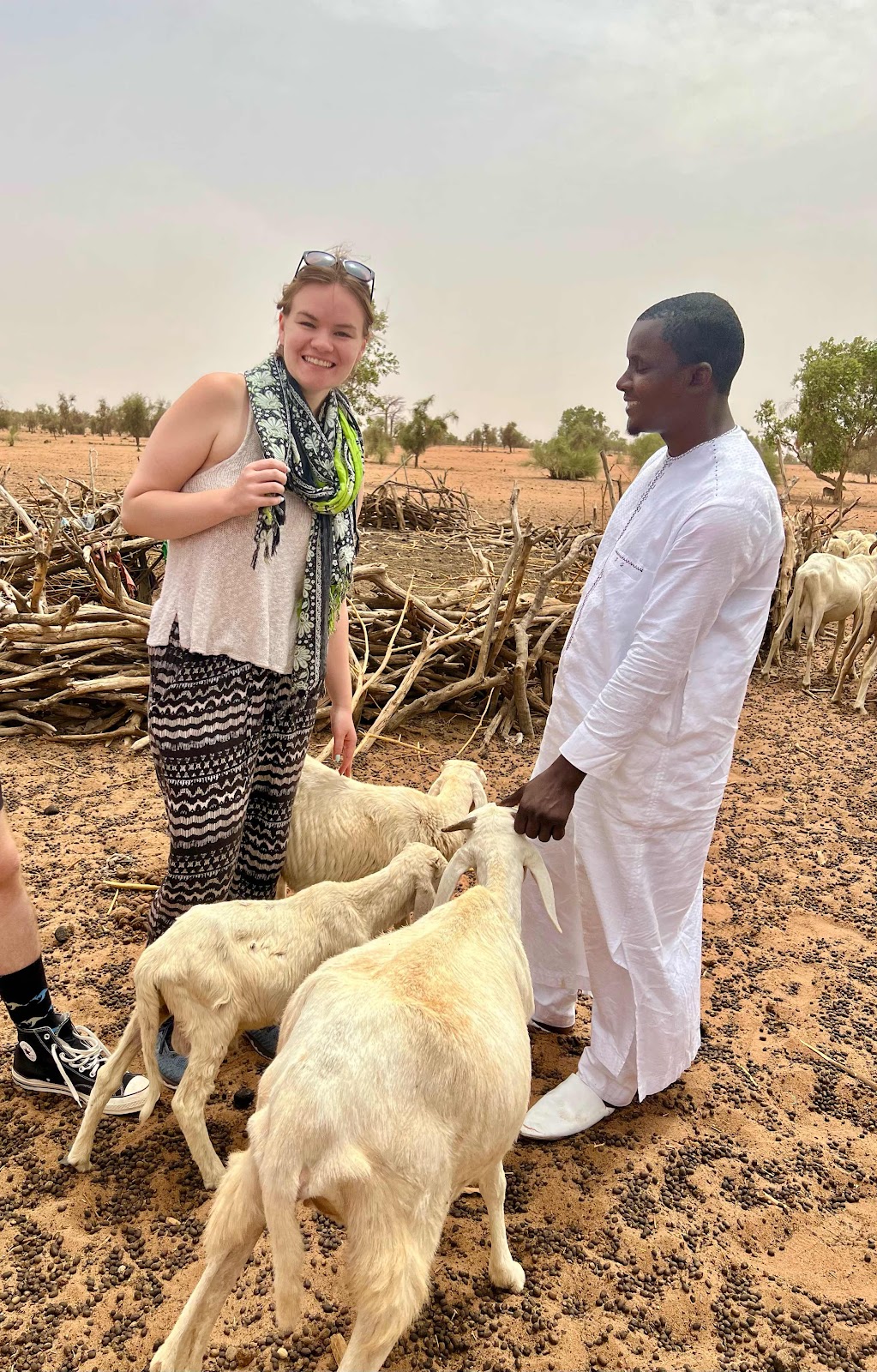
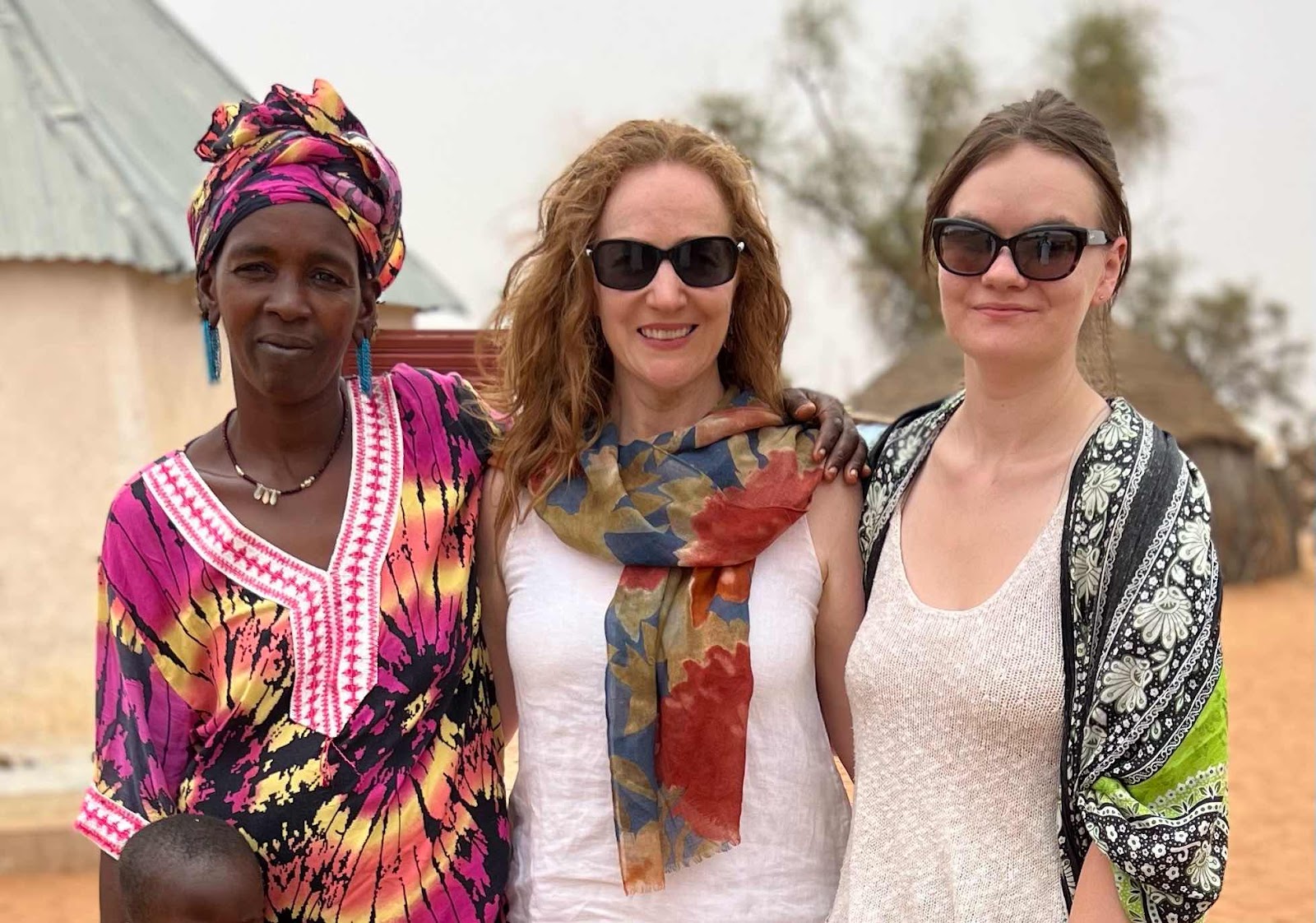
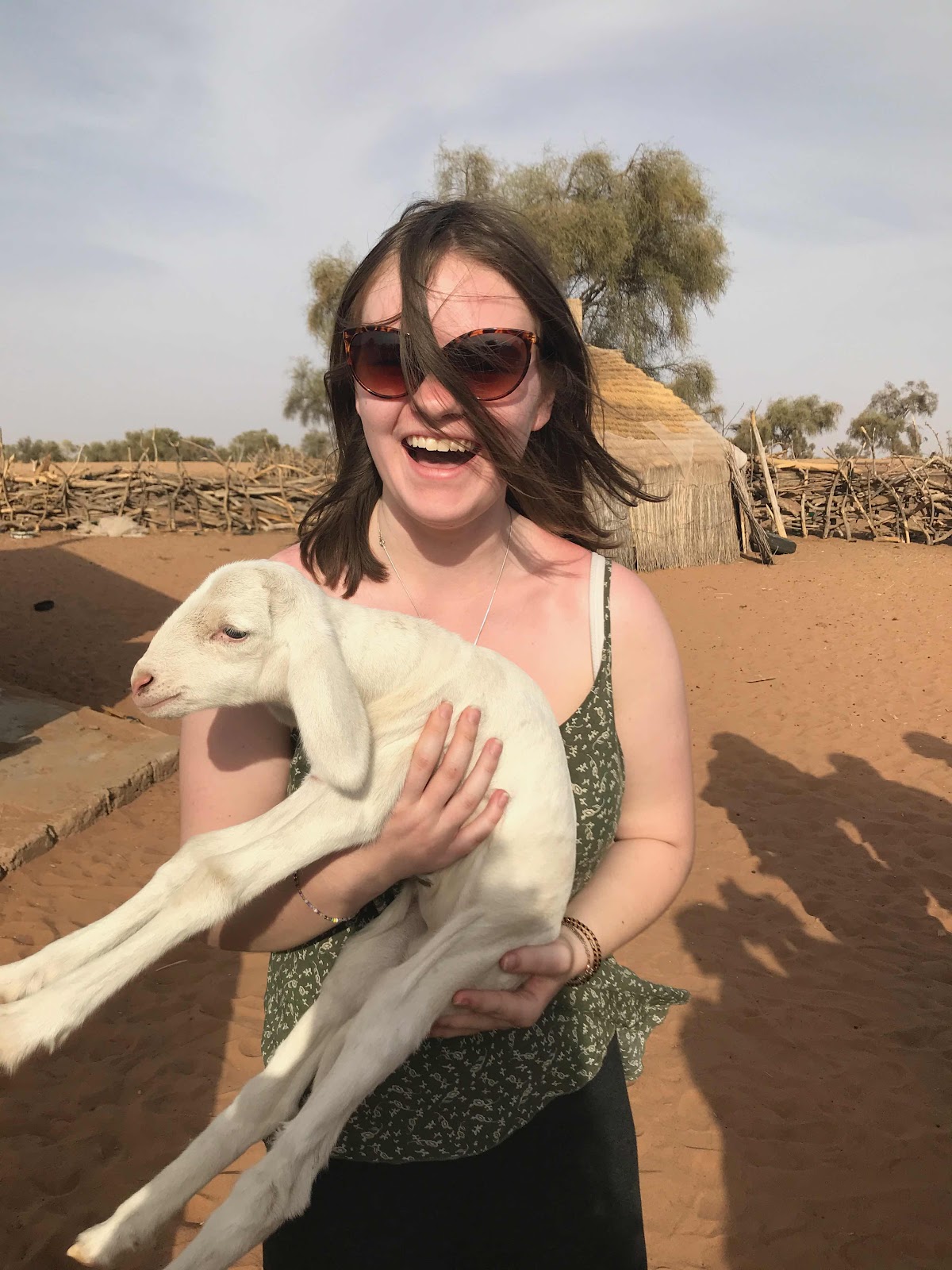
We then continued on to Cheikh’s nearby home village. This was the second visit for Rowan and I. The first for Robbie. We were greeted as if returning home.  Rowan was immediately taken to be introduced to her sheep. The original lamb, received from Aïssa as a gift four years ago, had multiplied into a small flock. Aïssa had kept them safe for her all this time. Villagers assured her Rowan would not return, and she should sell them, or eat them. But Aïssa refused, promising to keep them safe for Rowan even if she was never able to return. Yet, here we are. Aïssa’s faith has been redeemed. The villagers’ faith in her has been reinforced. More than faith, even. I sense awe.


A carpet of old, hardened sheep dropping surrounded the perimeter of the village. I could see how when the rains come the landscape would quickly transform from dry, sandy desert to lush, abundant vegetation. hopefully the rains will begin soon and bring an end to the hungry season. Even the animals are hungry. With the failure of the early short rains, many tree branches have been cut down to feed animals, throughout this region. Many trees look damaged beyond recovery. 


After a wonderful meal, tea, and a peaceful visit in this idyllic, traditional village, we got back in the car for the several hours drive, directed by Omar, through the desert to Dahra Djolof to meet the 65 students and their guardians and teachers.


A large house had been rented for the purpose of housing the 65 students. A teacher, several parents, a religious teacher, a supervisor, and a few cooks from the villages all stayed together to watch over and tend the children as they prepared for and wrote their exams over several weeks.


Upon arrival we were invited to enjoy a second meal that day. This time, thieboudienne. The National Senegalese dish. Then we were introduced to the children. they were divided into three groups to meet us, the boys, the young girls, and the older girls (teens and pre-teens). speeches were made by several people about the importance of education, the success of this school program in remote villages, and hope for the future. 


I was introduced as a partner who helped make all this possible. Then I was invited to speak. I am getting better at last minute, unexpected speeches in French that deflect praise toward the true deserving recipients: the Senegalese who founded and conceived of Maison de la Gare (Issa Kouyaté), the Senegalese founder of the m’Baye Aw schools project (Cheikh Diallo), and all the staff and leaders of MDG who never cease their efforts on behalf of the talibés of Senegal.


Then we got to meet the kids and take pictures with them. It is incredible to believe that these bright, articulate, eager students had never had the opportunity to attend school until the 5 schools were built and funded privately. 12 of the boys here to write exams are returned talibé who used to be forced daily to beg on the streets for quotas of money. but, several years prior, these ones were returned because now there was a school to attend. Now they have documents and are writing exams. Boys are no longer sent from these villages to becomes talibés. A marabout has even returned to teach the Quran traditionally, Village- based, while the children live at home, cared-for by their families.


Meeting the girls was just as inspiring. Apparently, they work the hardest, are the most dedicated to their studies. Never having had the opportunity for an education of any kind, they seem thirsty for more. They recognize the opportunity education offers. Before the schools, an early marriage was the expected path. In many cases, forced, such marriages can be a form of modern slavery just as is the forced begging talibé system.


Rowan and I met and spoke with some of the young girls who had given testimony about their fears of forced early marriage, and their desire to continue with their educations. I will write no more, for fear of putting them at risk. All I can say, is the experience was profound. Their words and fears and hopes will always remain with me.


We returned back to the hotel near sundown. A full and important day does not even begin to describe it. 


Clearly, the school project has been a success. Accessible, village- based schools are so clearly a tool for not only education, but importantly, to ending the modern slavery of the forced begging talibé system, and through the education of girls and the return to villages of boys, these schools could also be key to reducing and eventually ending the modern slavery scourge of forced early polygamous marriage.


There is still much to do: Opportunities are needed to continue education into high school, and opportunities for youth so they can remain in the villages once educated. Norms about early forced marriage may also be slow to change among parents.


Issa Kouyaté and Boubacar Gano of Maison de la Gare


The Maison de la Gare team appreciates and seems excited about seeking ways to take next steps, and about the possibilities for expanding this remote schools project to other areas in Senegal that are huge feeder areas for talibé boys being sent to cities. 


The future is looking hopeful, for so many reasons. for the boys and also the girls.


Friday, July 1, 2022

Grading, Grief, and Gratitude


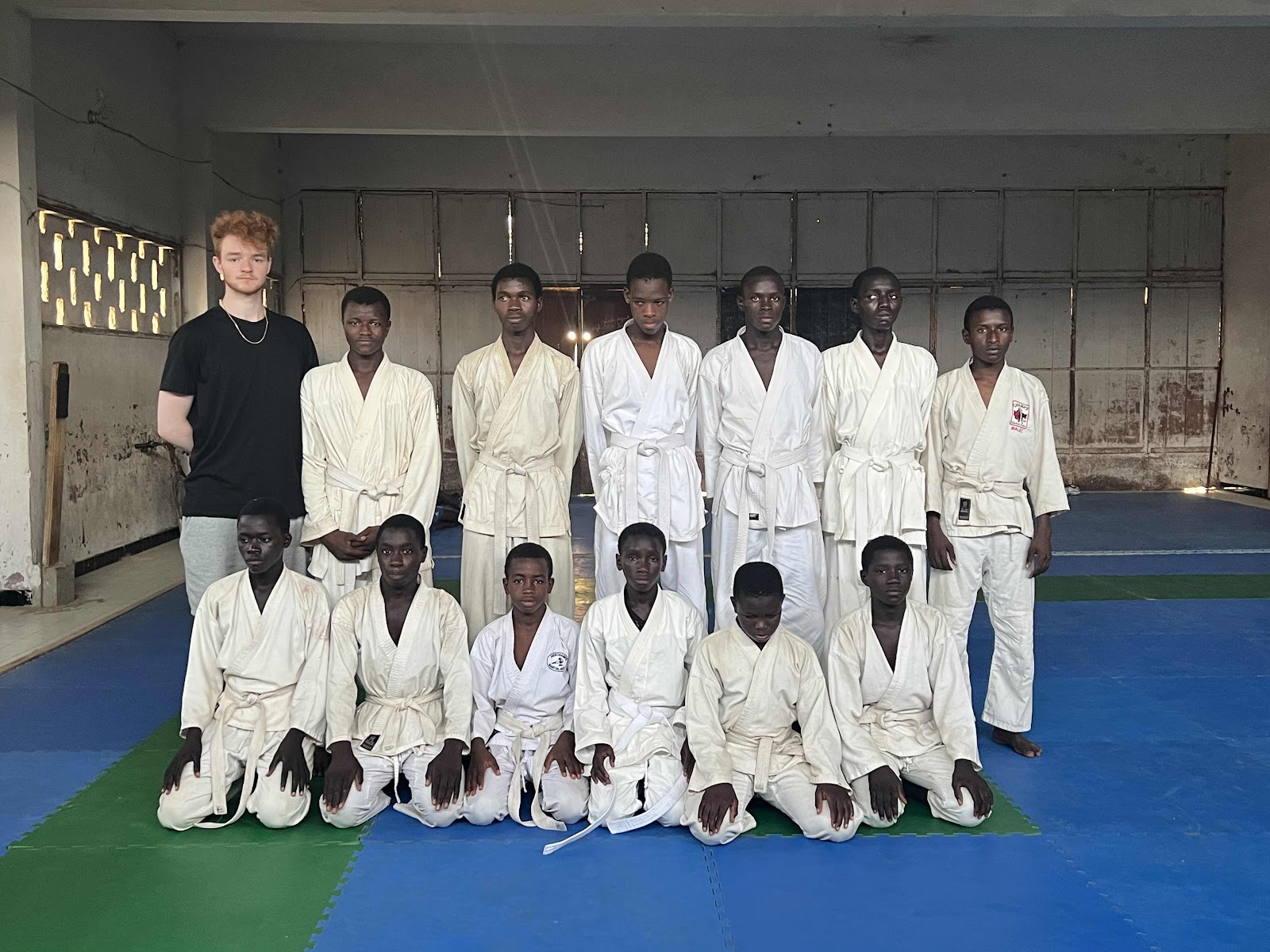
During our first karate class last week at the center we were astonished at the level of skill, determination and passion of some of the younger karate students at the Center.  A few of these young boys had been faithfully attending classes for several years, even. We asked sensei about the possibility of some of them being invited to grade. It is difficult for these younger boys to get to the dojo at night. And to obtain the WKF licenses required for them to grade. 


Sensei had been considering this very question previously. It was decided that the 10 most advanced white belts would be given the opportunity to grade, provided their WKF registrations were done and licences maintained. Also, we had brought only six donated yellow belts with us, so more would need to be obtained. The next day the morning class was bigger. Five more boys were invited to grade. 


The owner of Douvris Martial Arts Barrhaven back in Canada offered to sponsor the grading and annual membership of ten children. The extra belts were purchased, and grading preparations began. As these were not dojo karateka, they had only ever practiced karate outdoors on the sand. The grading would take place in the dojo the following week.


practicing kions

The children arrived early each morning for the special grading preparation classes. The first class lasted nearly three hours, with each child in turn being shown how to bow, present themselves on the mat, begin, bow again, then exit the mat respectfully. Then Robbie and I helped to drill them on each block, strike, and kick on which they would be tested - calling out each in Japanese just as would happen on grading day. Over the next days Robbie, Bouaro and I helped them fine tune their four katas, taekokyu shodan, nidan, yondan, and Godan, and their kions. 


11of the candidates had a reasonable amount of practice, and most of them seemed ready. All were very excited for the long hoped-for opportunity to grade. A yellow belt is the proof that a martial artist can learn, grow, and advance beyond what they imagined could be possible. It is proof that a blackbelt could someday be possible. It is also proof that a forced-begging talibé need not remain subjugated and alone. Already he is not alone, he has his karate family. It is proof someday he will also be free.


Before the grading, we received unthinkable news from home. Two of our fellow martial artists from our dojo in Ottawa has been brutally murdered. A young girl age 15, Jasmine. And her mother, Anne-Marie. Jasmine’s older sister is in hospital with serious wounds.  Jasmine and Anne-Marie had just successfully  completed their own gradings, for blackbelt. We had trained together in preparation for months, and I graded with them for my third dan on June 18. Robbie had been training them, helping to prepare them for the past two months. 


https://ottawacitizen.com/news/local-news/tremendous-loss-fatal-stabbing-attack-on-alta-vista-family-leaves-communities-reeling?utm_medium=Social&utm_source=Facebook&fbclid=IwAR1eCYJeyMHeLbcNdi__pk_7hWu7TK25GAvBOotgC01m5jsoumUdtTslqhw#Echobox=1656635854


Both Anne-Marie and Jasmine were so interested in Maison de la Gare and the karate students here. They asked Robbie so many questions and cared so much about these talibé boys. On June 18, Grading Day, they excitedly introduced Robbie to Jasmine’s sister and grandmother and requested a photo together with Robbie to commemorate the very special day of becoming blackbelts. 


But they were struck down. They are not with us any longer. It is unthinkable. It is too much. It was too much for Robbie. Without his Ottawa karate family, without the experience of uncontemplated, unexpected sudden loss, it is too much. The parallels of preparing the karate students to grade is too much. The parallels of their gratitude and admiration is too much.


When I arrived at the center alone for the final preparation class, Sensei asked me about the killings in Ottawa. He had read about it. Too much. When he learned of our connection, Robbie’s in particular, he felt and shared the pain. Genuinely and deeply. The children asked after Robbie, did not know where he was at such an important time for them. But I could not bring myself to speak of it. Too much. Uchi-uki, soto-uki, oi-zuki, gyaku-zuki, maegeri, … it helped.


That night the grading was to occur at the dojo. Robbie refused to miss it. He would be there to honour the effort of the children. He brought his bo and Gi, expecting to pull it together to teach.  Later, the final bo seminar was scheduled, along with a demonstration of Robbie’s creative weapons kata. When we arrived, Sensei consoled Robbie, offered his love and support. 


Then the grading began. 12 children were present and ready. The other three would have another opportunity the following week. Gradings here are serious matters. And for these ones, the first time in the dojo, on the mat. Despite their preparation, the nerves of the day got the better of a few, with combinations I know they knew being scrambled, a kata forgotten. Only two were dismissed early. It seemed ten would pass.


After the grading, Sensei told Robbie it would not be right to allow him to lead the final bo seminar. Or to demonstrate what so many had all week anticipated. He to explained to the children and the few older students arriving early for class what had happened to Jasmine and Anne-Marie, and how they had been close with Robbie. All instantly fully understood. All felt our pain. The empathy and genuine heartbreak expressed was overwhelming, humbling. It was too much.


Sensei spent about an hour with us and the students discussing Jasmine and Anne-Marie. Discussing unexpected tragedy of innocents. Discussing how important a karate family is at a time like this, when they are all far from home. Discussing how given Robbie and I were so far removed from our Canada karate family, they they were now that for us. Many were in tears. All felt our pain. All gathered close, to touch us, to offer love, to indicate they felt the loss. And prayers for the peace of Jasmine and Ann-Marie’s souls were offered. The loss and grief was acknowledged, embraced, and integrated. It was too much.


Later, we learned that as 40 or so students arrived for the final bo class, some from miles away to embrace the opportunity, and learned of the loss of Jasmine and Anne-Marie, they also acknowledged, embraced, and integrated the loss.  It broke them too. Sensei explained they were all too devastated to even carry on with a regular karate class. They prayed then class was cancelled. This is our Senegalese karate family. It is too much. 


Jasmine and Anne-Marie, may peace be upon your souls.


Monday, June 27, 2022

Sheep Adventures


Several years ago we visited the region of M’baye Aw, in “The Bush” to see the students of the schools built to induce parents to recall their children who were forced begging talibés back to the village. We also visited our friend, Cheikh’s, home village and his family.


Cheikh’s sister, Aïssa and I immediately developed a special bond. They are a family of herders, they raise goats and sheep. We visited during the “hungry season “, before the rains, when the desert is still relatively barren and the sheep are not yet ready to be taken for sale to Daara Diollof, the nearest town many hours journey away. 


At the end of the visit, Aïssa gifted Rowan with a lamb. At first, Aïssa could not understand why Rowan could not take it with her on the airplane back to Canada. It was a female, after all, with the potential to make Rowan wealthy with more lambs. Upon understanding that it was not permitted to return the sheep to our country, she offered to take care of the sheep for Rowan for as long as necessary.


Two years later it was announced that Rowan’s sheep was now a mother, and Rowan was thus becoming a wealthy woman. Aïssa continued to faithfuly care for Rowan’s flock, shooing away teasing children, and saving them from the dinner table.


When we arrived in Saint Louis this time, after a too-long absence, Cheikh announced that Rowan now owned five sheep! The original lamb had three off-spring, and one of her girls also has had a lamb. Amazing, indeed!


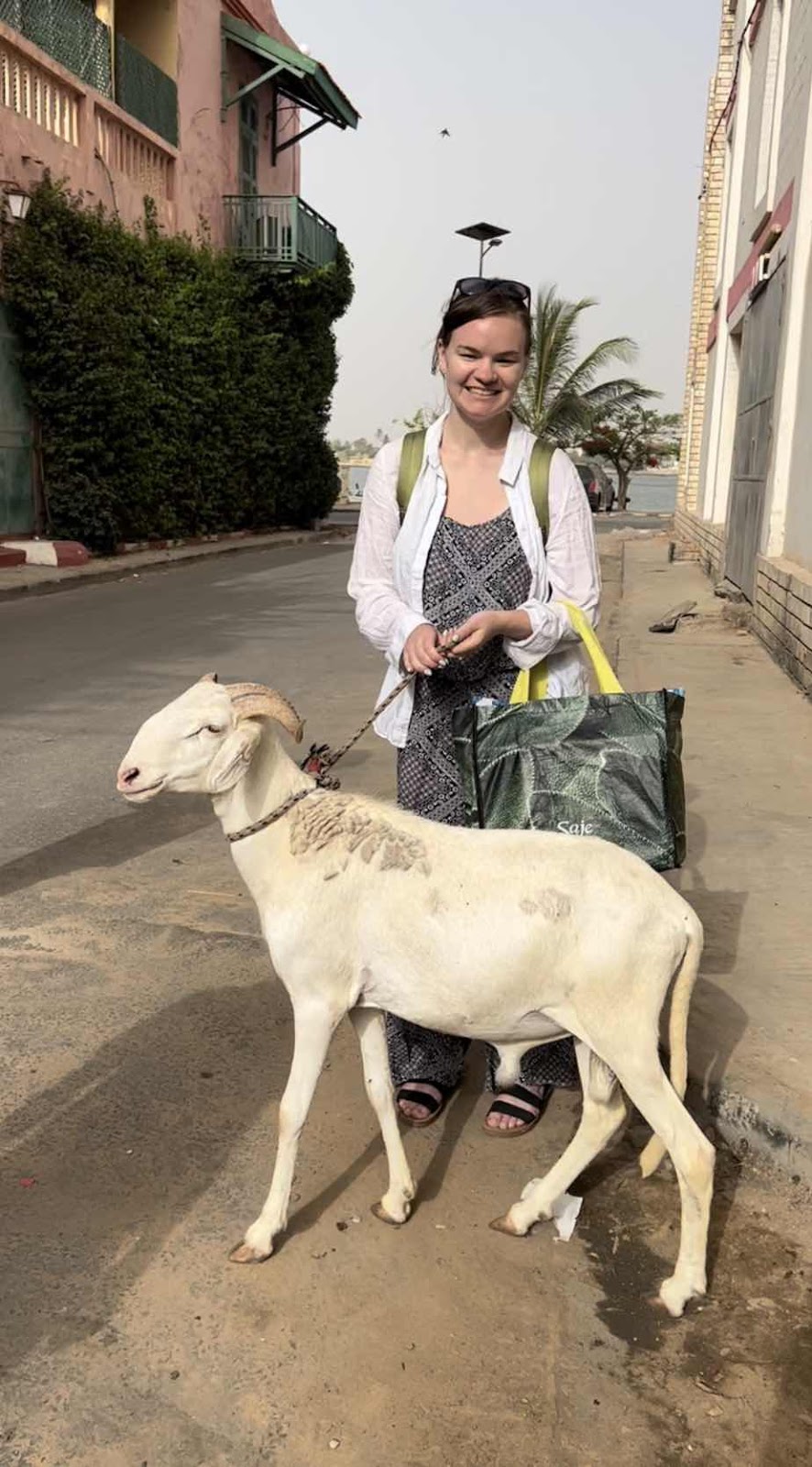
Rowan and Cheikh discussed the possibility of buying one of the sheep to offer a friend for Tabaski. Cheikh was horrified, pointing out the sheep already belonged to Rowan, she could not buy one, they were hers to do with as she wished. So Rowan asked Aïssa to accept a gift to thank her for faithfully caring for the flock all this time. Happily, this was gratefully accepted. Last night the first born son of the original lamb arrived in Saint Louis. A beautiful, healthy and well-fed ram.


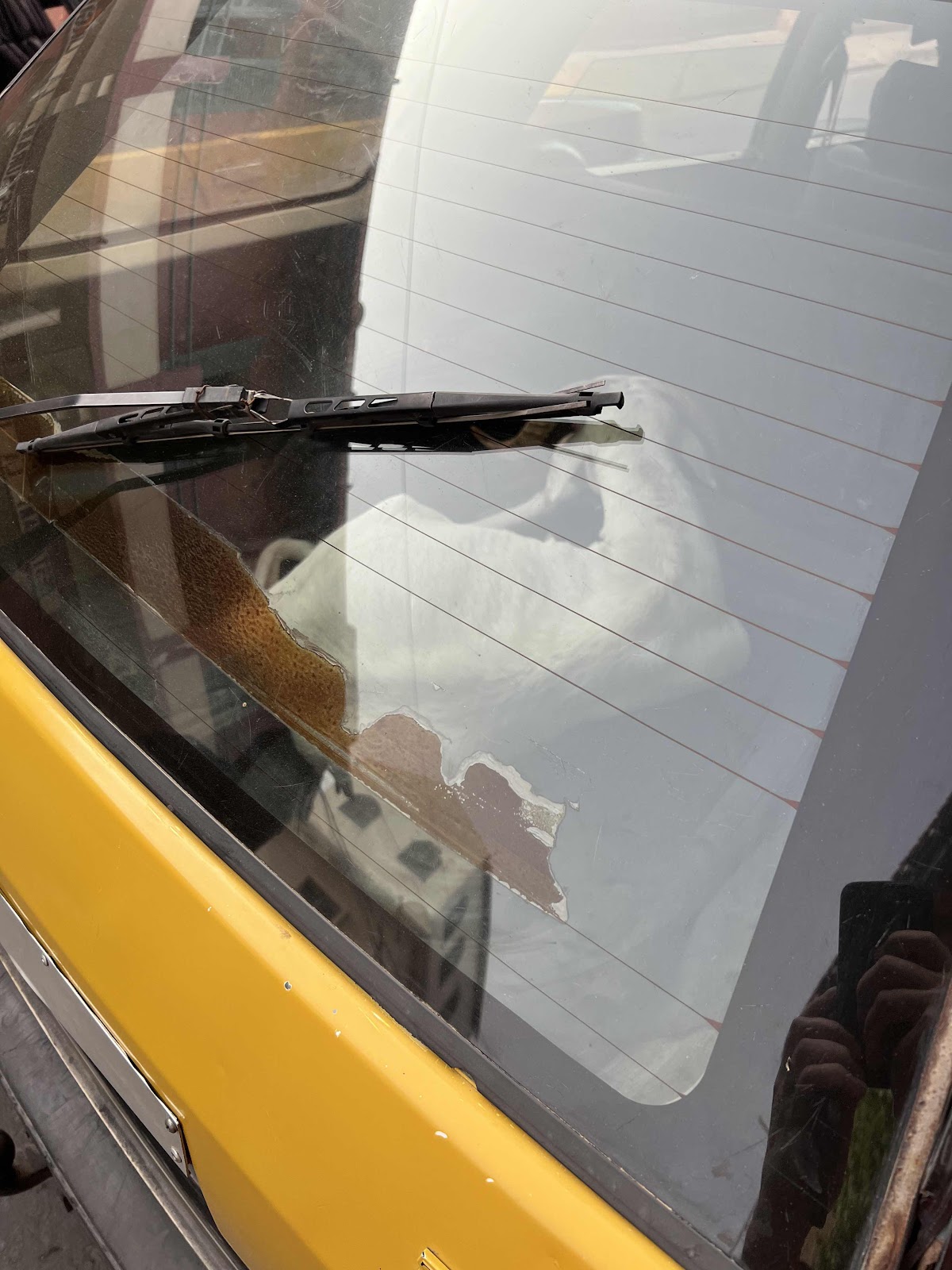
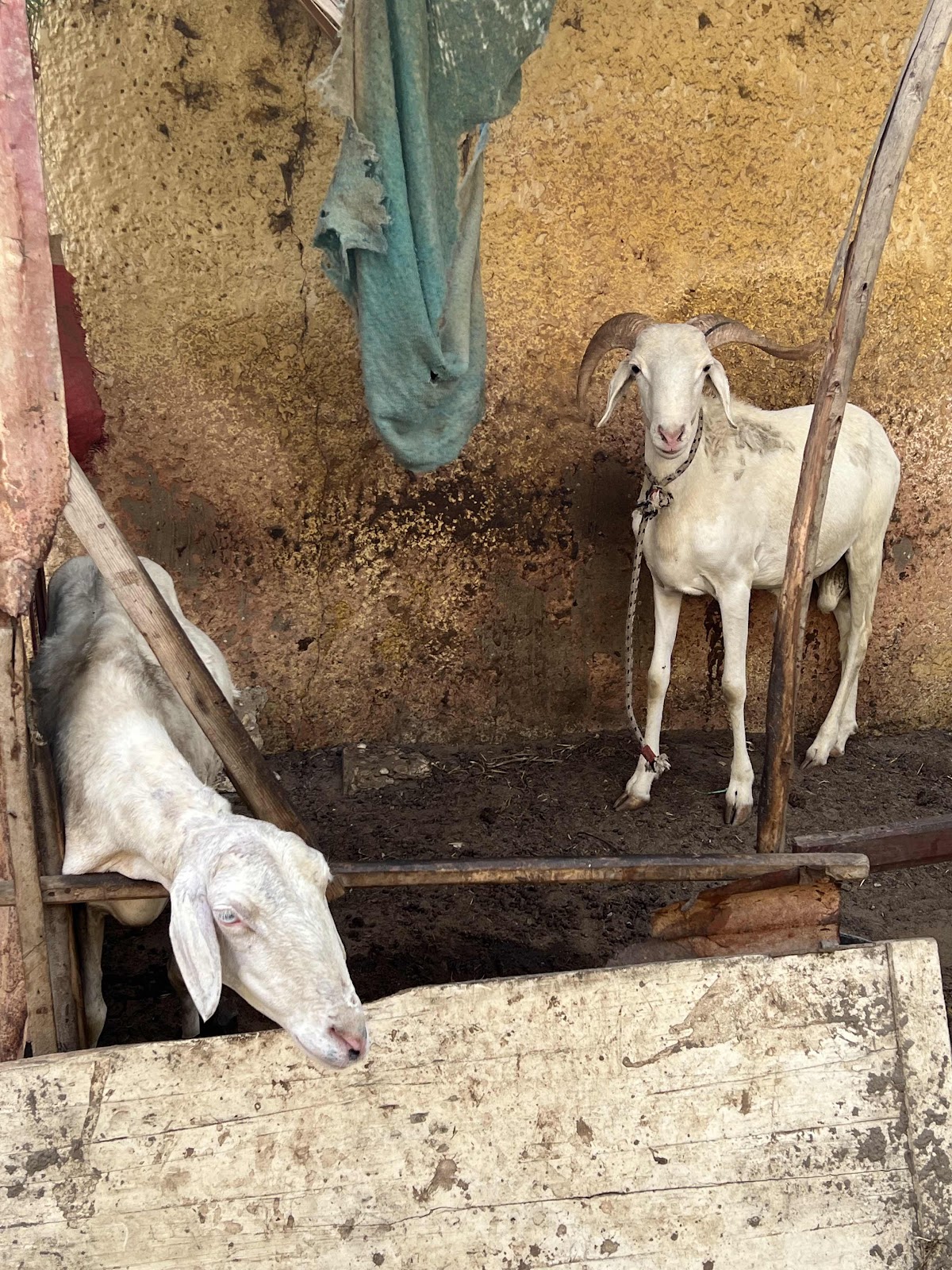
Now, to get the sheep to our friend’s house. Her son arrived to guide us to their house by taxi. The sheep was a huge and welcome surprise, as Tabaski is approaching and prices are out of reach. Besides, we were to learn the little lamb we had met there several years ago was still lonely and waiting for the opportunity for a mate. Cheikh said “no problem”, that sheep ride in the taxis. I had never seen or heard of such a thing, but it must be so.


Amazingly, the first taxi we hailed already had a sheep in the trunk! When a sheep-less taxi stopped, we put the sheep in the trunk for the ride across town. Upon arrival, the sheep impatiently hopped out in protest. Rowan then led it inside to present to our friends. The sheep steeled itself, refusing to advance into the house, protesting all the way. But, as soon as he saw  the lady sheep in the back of the house, his attitude changed entirely. All of a sudden he was very interested in his new home, and its inhabitants. 


After we enjoyed time with the family and a wonderful meal of Yassa, we said good-buy to the sheep, who now was once again very happy. 


Saturday, June 25, 2022

A travesty Against Humanity


On this day that the U.S. Supreme Court threw woman's rights back nearly a century in the United States, I feel ready to write about this other assault upon human rights in general, and women in particular. Another form of modern slavery in Senegal. Learning about this at the same time as the terrifying SCOTUS mistake feels unbearably too much.


“My name is Sokhna. I live in the village. I am  11 years old. I am a student going to school and I live with my mother, my father and my sister. I am the first one in my family to go to school. My sister married very young. In my village parents give the girls in marriage when they are 12 years old. I am becoming afraid that I will be forced to be married and not allowed to continue going to school.”


- name and details changed to protect her identity


I have been reeling since I opened the envelope our friend handed us the night before last. stuffed full of written testimonies of young girls. Children testifying about their forced early marriages, and their fear of being forced to marry far too young and forced to end their education and dashing their hopes for the future. This was just one of them. It is too much.


Okay…I was not ready. It is now the next day. I am trying again. 


Where do I begin?


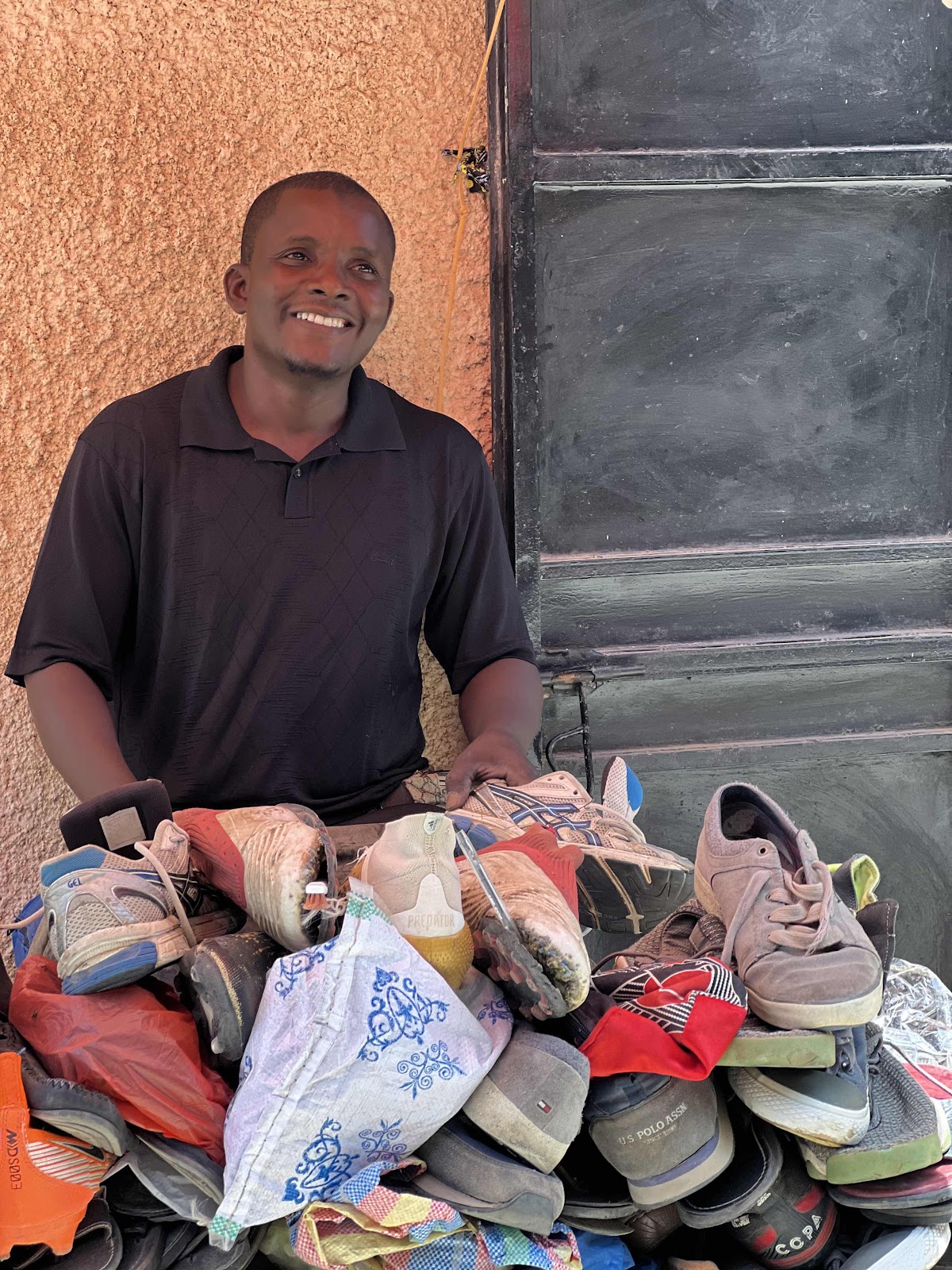
Several years ago our friend, Cheikh let us know he was trying to build a school in his village. He said he was inspired by watching us year after year helping Maison de la Gare help the talibés. Many talibés come from his village and region. There are no schools there. So parents felt their only hope of education for their children at all was to send their sons to to the city to daaras to learn the Quran. So… building a school can change things, he thought. And he started saving from his long days working as a street-corner cobbler. When we found out about it we started helping him. The first school was built. Then, this became a Maison de la Gare-associated program.  More years of savings and the villagers “bought in” and more schools were built. Then one special donor in Canada found out about it and that has enabled hiring more teachers.  


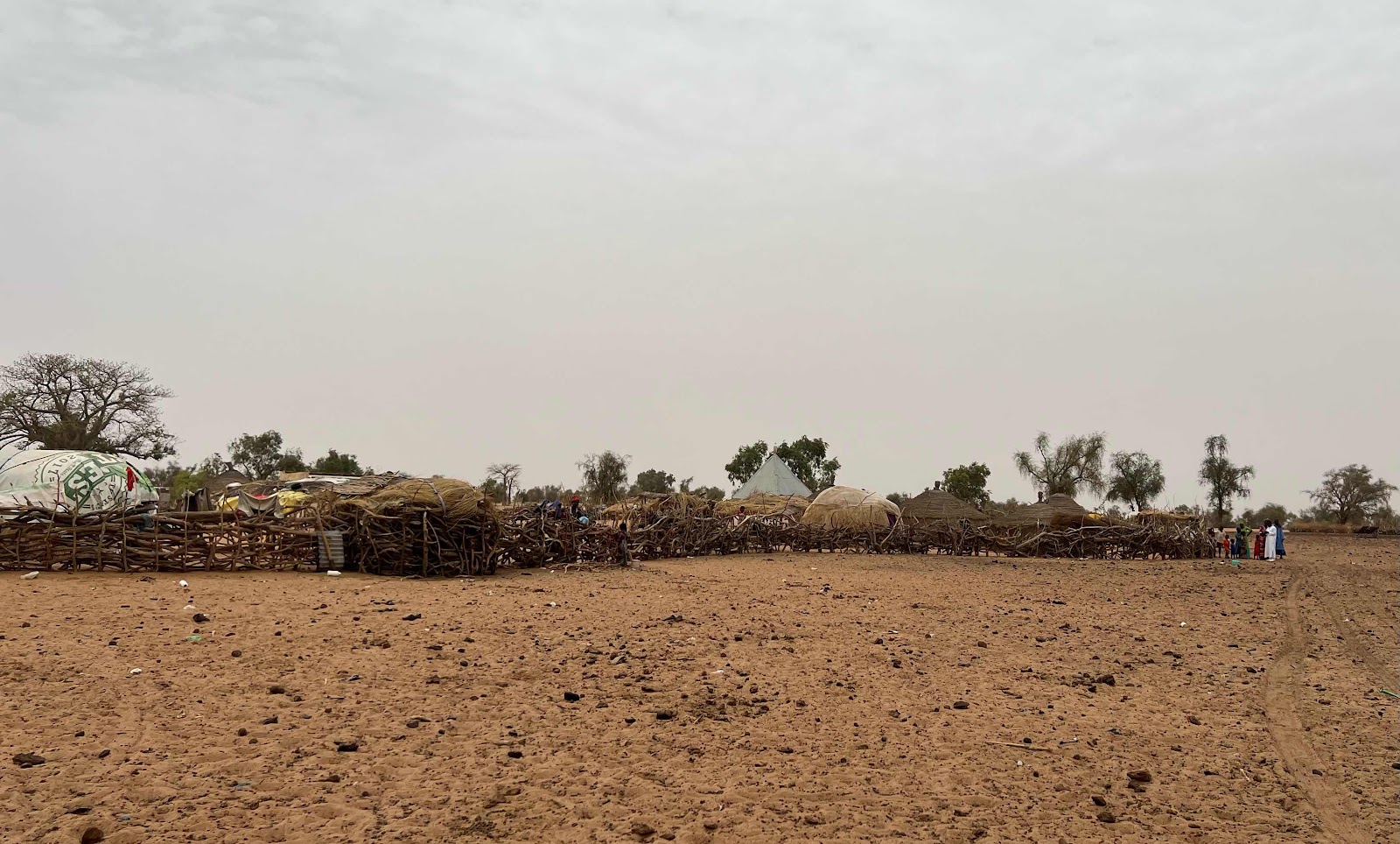
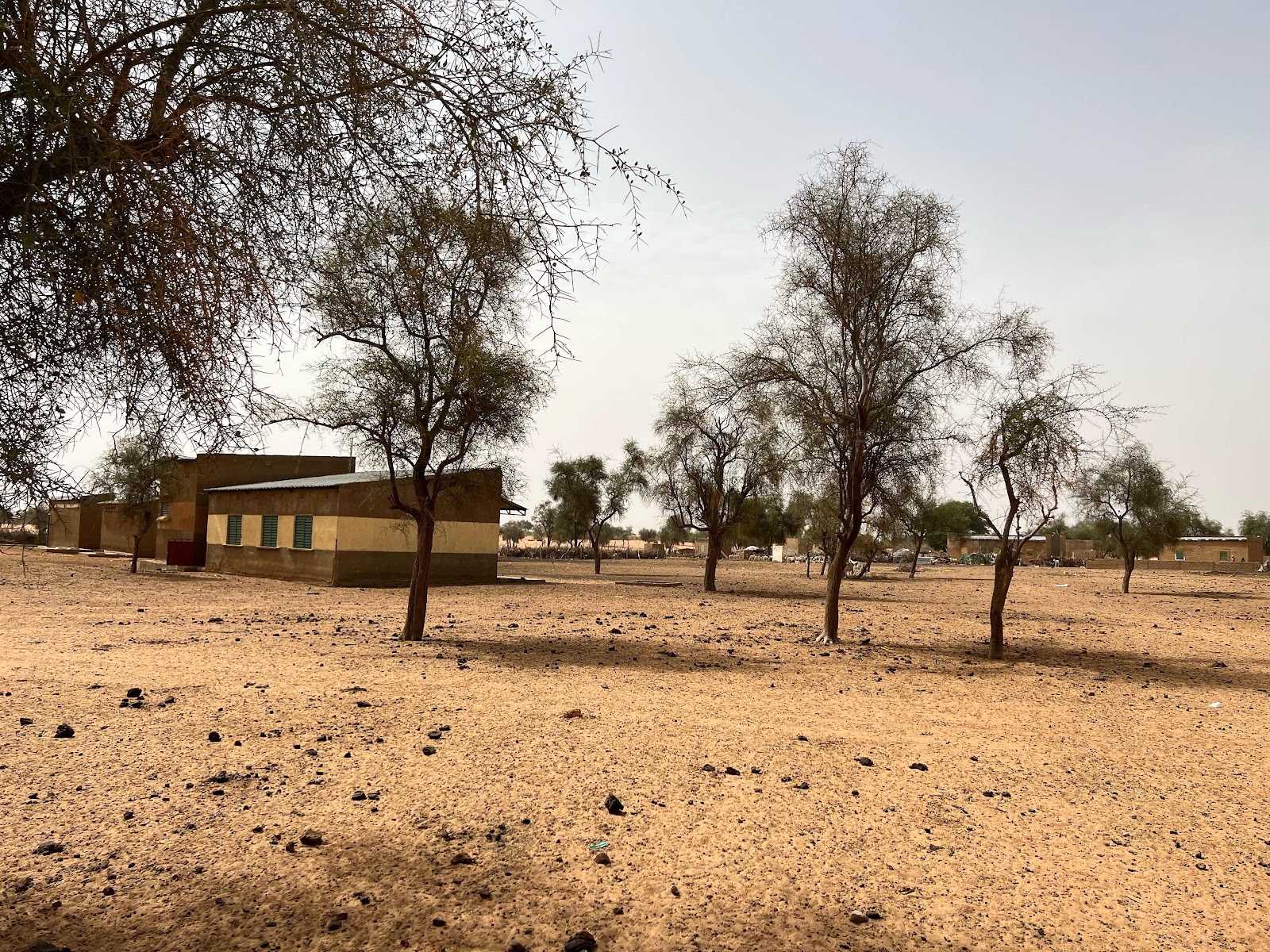
a scene on route to the village region


When we visited several years ago we saw the schools in action, met the talibés who had returned from forced begging on the streets, met the girls who were attending school for the first time ever, because now that is a possibility for them. Turns out they were all beyond hungry for it, and are the most dedicated students. Here is a version of an earlier blog post published for Maison de la Gare about the project: 


Into the Bush in Search of Education


Now, after years of a campaign to obtain documentation for the children, a lengthy process attempted one by one that enables them to write state exams, annual trips to the nearest city to write the exams are becoming normalized. This year, 65 students are writing their exams at various levels. 31 boys and 34 girls. 12 of the boys used to be forced begging talibés. This is an incredible achievement. Almost an impossible one! Hundreds of children, including girls are being educated and documented, and many dozens of talibés are being repatriated. This Senegalese, grass-roots project has sown dramatically more success for dramatically less investment of money, than any international development project I have ever read about.


But of course, each success opens another pandora’s box, and then leads to much more to do.


When my daughter Rowan researched and wrote about the forced begging talibé system, she noted the history, the various actors, and the possible levers for change. She also speculated based on observations and conversations from our trip to visit the schools the the talibé system likely contributes to the practice of early forced marriage and polygamy. When boys disappear from the villages at an early age and rarely return, and there are no schools, marrying the girls left behind to older men, multiple girls to each man, may have seemed a logical, perhaps even the only choice to the villagers. We did not really know how widespread child forced marriages were. It was just talk. But it seemed a logical conclusion to assume it happened regularly. Here is a much abbreviated version of Rowan’s report that was published for Maison de la Gare: 


Who are the Talibés and why do they Beg.


Rowan and I speculated that by building schools in the villages, not only would talibés be repatriated, but girls would also begin to study, to discover, to learn about human rights. Ideas would spread. And, there would be boys their age to marry, in equal numbers once more. Perhaps pressures for forced early polygamous marriages would eventually also diminish. Change could come for girls as well as for talibés. Schools in the villages could be the key to ending two forms of modern slavery.


With the envelope of testimonies we received this week, the theory about forced early marriages ceased to be talk. And our speculation that education would bring awareness and opportunity and could lead to change has been proven out! This feels very important. 


But, we are now in the time between awareness and opportunity, and the change to come. This is surely the hardest time. The traditions of child forced marriage remain. But the reasons for it do not, thanks to the schools built in the villages. Change is being called for, but it has not yet happened. I have no doubt that it will come. But, in the mean time the testimonies in this envelope I am holding in my hand, and the pictures of the hopeful, newly educated young faces looking as if into my eyes, what of them? 


Do we console ourselves that they are bringing the change that will benefit their daughters? While I know that to be true, it is also hard to swallow. 


It will be harder yet to wait for the change surely to come when next weekend we travel to meet the students writing exams and to the village, and the eyes we are looking into are real, and not photographs.


“My name is Aïssa. I live in the village and I am 12 years old. I am a student at the school. I live with my father and mother and my brothers. My father wants to give me in marriage but I refused, as I want to continue with my studies. I have even spoken with the old man he wants to give me to and explained I want to study at school. It will not be easy, but I am determined to fight to continue to study. I am also determined to fight against forced child marriage. But I can’t do it alone.”


- name and details changed to protect her identity


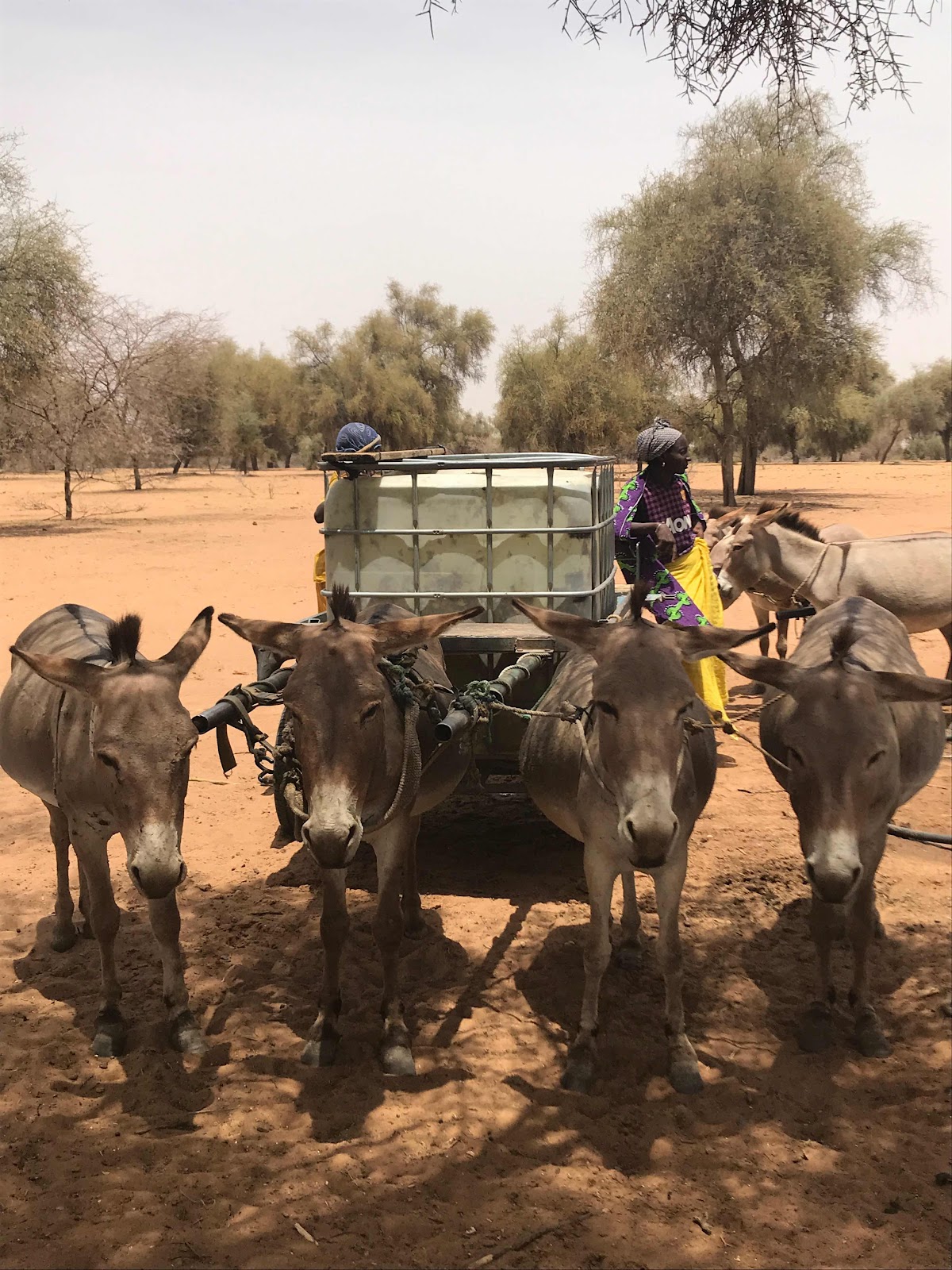
In the desert and bush regions there are camels and sheep but no schools


Wednesday, June 22, 2022

Saint Louis - de retourne


The sky is clear and the sun is hot. There is no sign of the violent storm we drove through last night enroute to Saint Louis. Word has spread that we have arrived and more friends have appeared to greet us. 


The pandemic has been so difficult for so many here. So many jobs lost, then later regained, but at diminished hours and wages. People understand, and belts tighten. The many who rely on tourists for their livelihoods are still waiting for things to improve. How they have found a way to make ends meet these past years is a mystery. 


As we walk through the streets, I hear my name called out many times in greeting. It seems to be well understood that we are here for the talibés, and not as tourists. 


But, there seem to be fewer people on the island than I remember. I wonder how many have left the city to return to families elsewhere, due to the high prices and lack of work. The Pont Faidherbe has far less foot traffic traffic than I remember. The city is definitely quieter. More subdued. Waiting for things to be better. Waiting for the city to wake. 


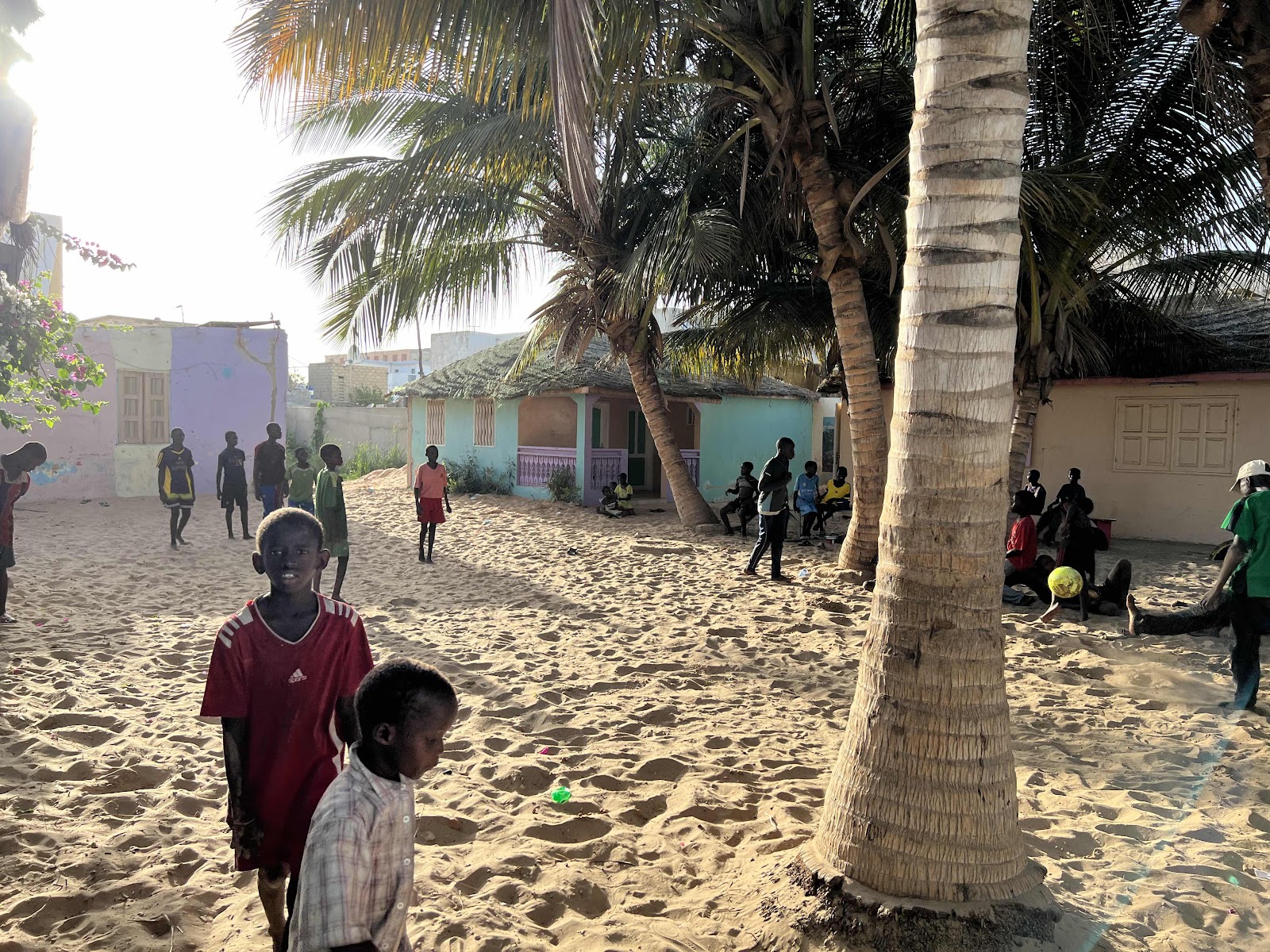
In the afternoon we make our way to Maison de la Gare. Sor is definitely busier. This is a place for locals. This is closer to what we remember. At the center a pick-up game of futbol is underway. Kalidou is teaching an english class. As Rowan and I meet with Issa and Boubacar Robbie leads a game of tag with the kids. Then he helps Lala prepare and hand out the evening meal. 


At 8pm we are surprised by a great noise. I wonder if the rain has come to Saint Louis. But no, it is a planned “symphony of Cassoroles”. it seems much of the city has come out to bang their pots tonight in protest of the President of Senegal in advance of the upcoming election. it lasts 10 minutes, then normal night sounds resume. On the way back to the island we are passed by a hoard of protesters who had been banging their pots near the government buildings, still banging and chanting. Then quiet once more.


One young man we encountered, an old friend, was excited about the protest, and showed me his identity card as evidence he could and would vote. Others shake their heads… “la politic”…It seems July 31, election day, may prove to be interesting.


We learned that one of Robbie’s karate protégés, Abdou, succeeded with his first belt grading. This was announced with so much pride. The other three will get the chance to grade next time, Insha’Allah. We cannot wait to see them and practice together at the dojo. 


The talibé karateka will come to the center for class tomorrow morning. But, we have learned, and they have yet to learn that classes tomorrow will be postponed. Instead a nationally televised presentation will take place highlighting terrible conditions in the daaras, and training for how to help improve conditions to stop the spread of disease. Karate will have to wait until Friday.


As we were were about to call it a night, a soft knock on the door. We stayed up until well past midnight talking with our friend Cheikh. He is a local cobbler who has committed himself in his own way, and in so doing has involved us and Maison de la Gare, toward ending forced begging in Senegal, of talibés from the region of his village of origin. His project has become a great success. But with every success, new stories come to light, with issues to solve. This is a big one. Too much to write about tonight. I doubt I will sleep tonight


We are Back


We are back. 


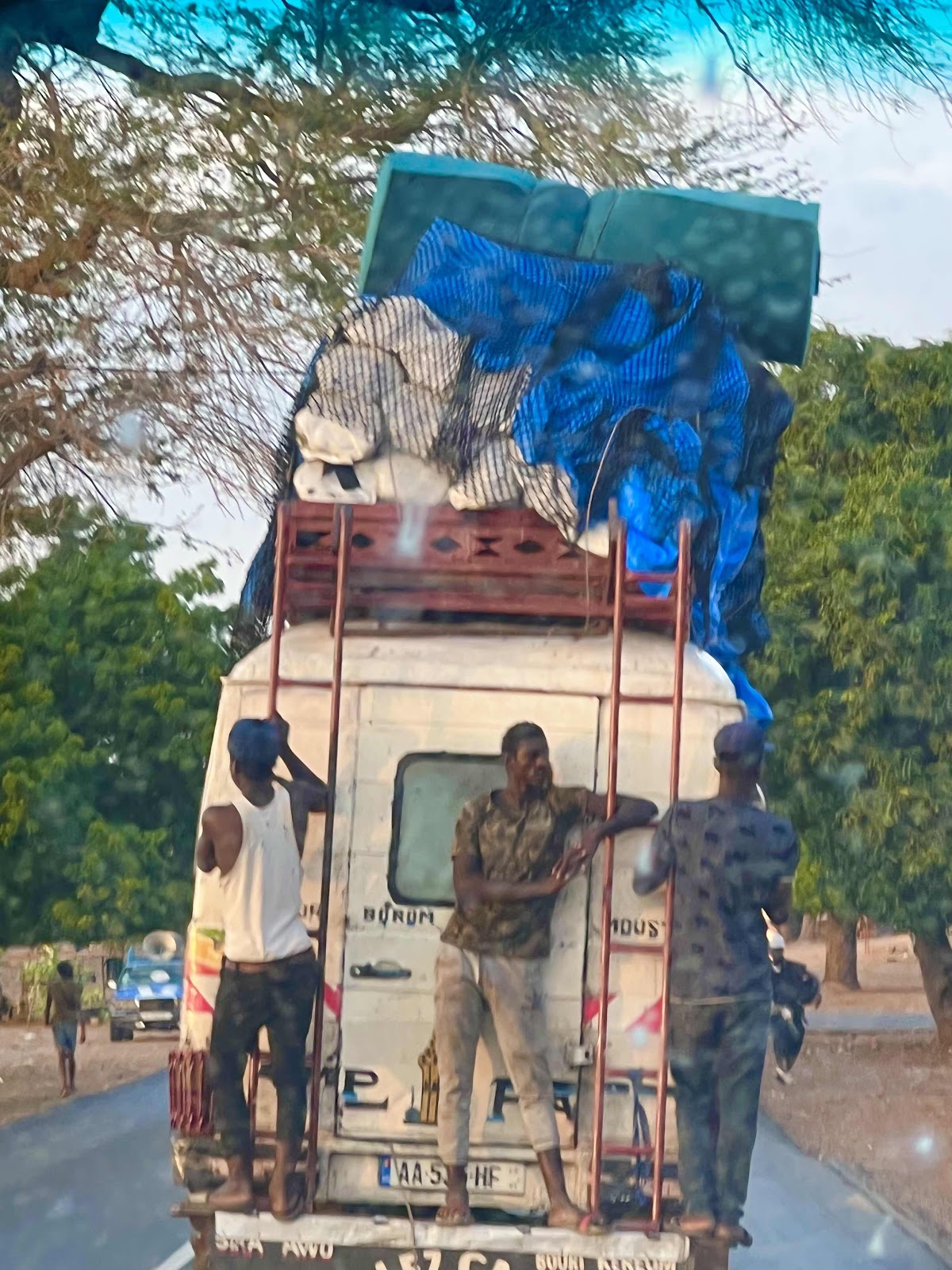
It has been two years and eight months, and yet it feels like we were just here. The majestic, ancient baobabs and the palms along our route, the red Sahel sand hazing the air, the many vendors along our route waiting for customers (the basket town, the meat town, the furniture town, the auto repair town, the fruit town, etc.), the horse drawn carts piled high with families and goods, the buses with people hanging on to the 


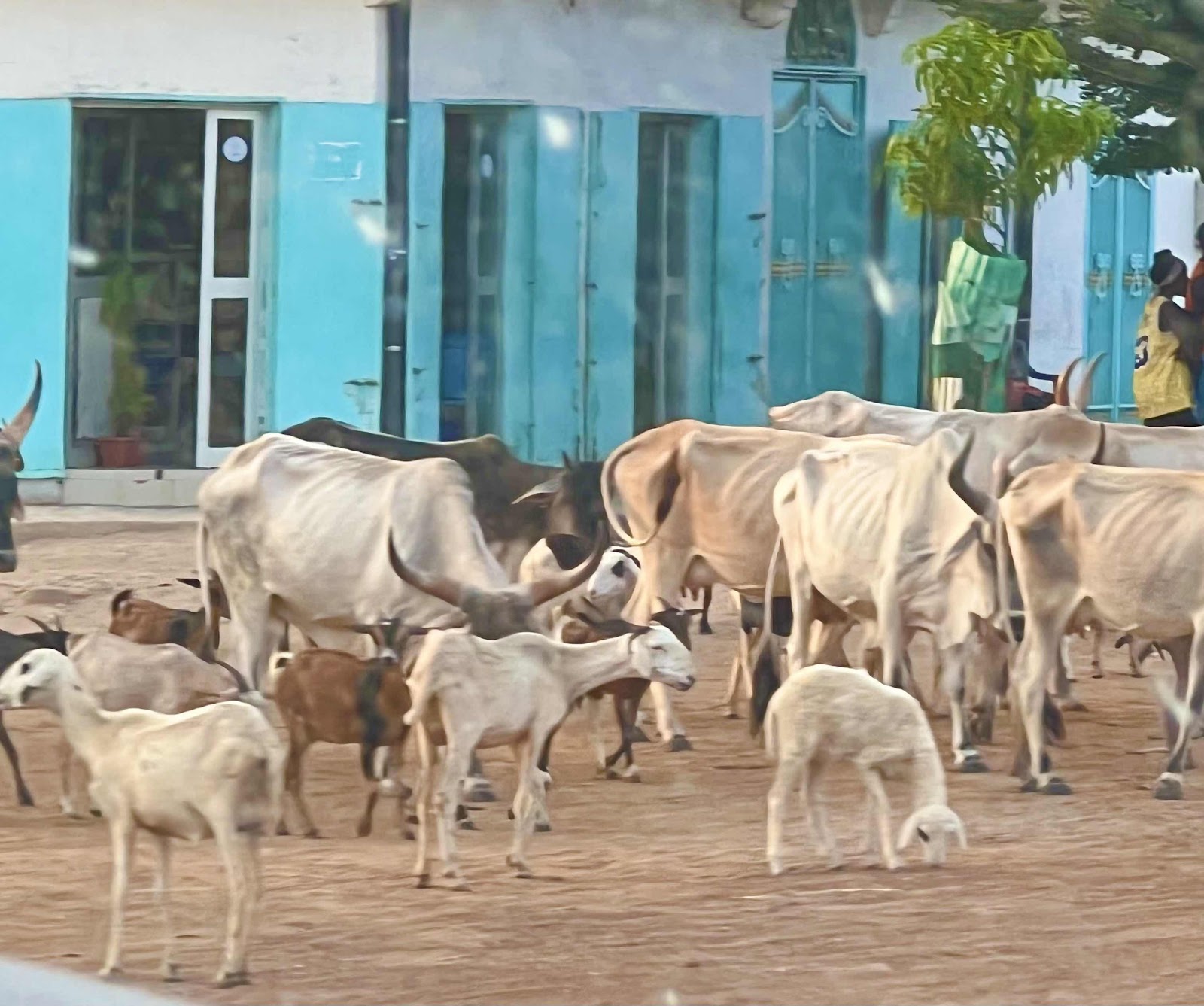
back, the seemingly equal numbers of bright traditional dresses and bou-bous, and jeans and t-shirts, the herds of zebu, it all feels so familiar.


But far less sheep were evident than usual. Tabaski is next month, and it is traditional for each family to slaughter a sheep. So, most have already been purchased. And due to the embargo on trade with Mali it seems there is a significant shortage of sheep this year. Those that are available have risen in price beyond the means of most families. Many may go without this year, unfortunately. Our driver confirms what I already know, times have been difficult since the pandemic began. Many families are struggling. But the optimistic nature I remember seems to prevail… “God is Good”, “we will find a way”.


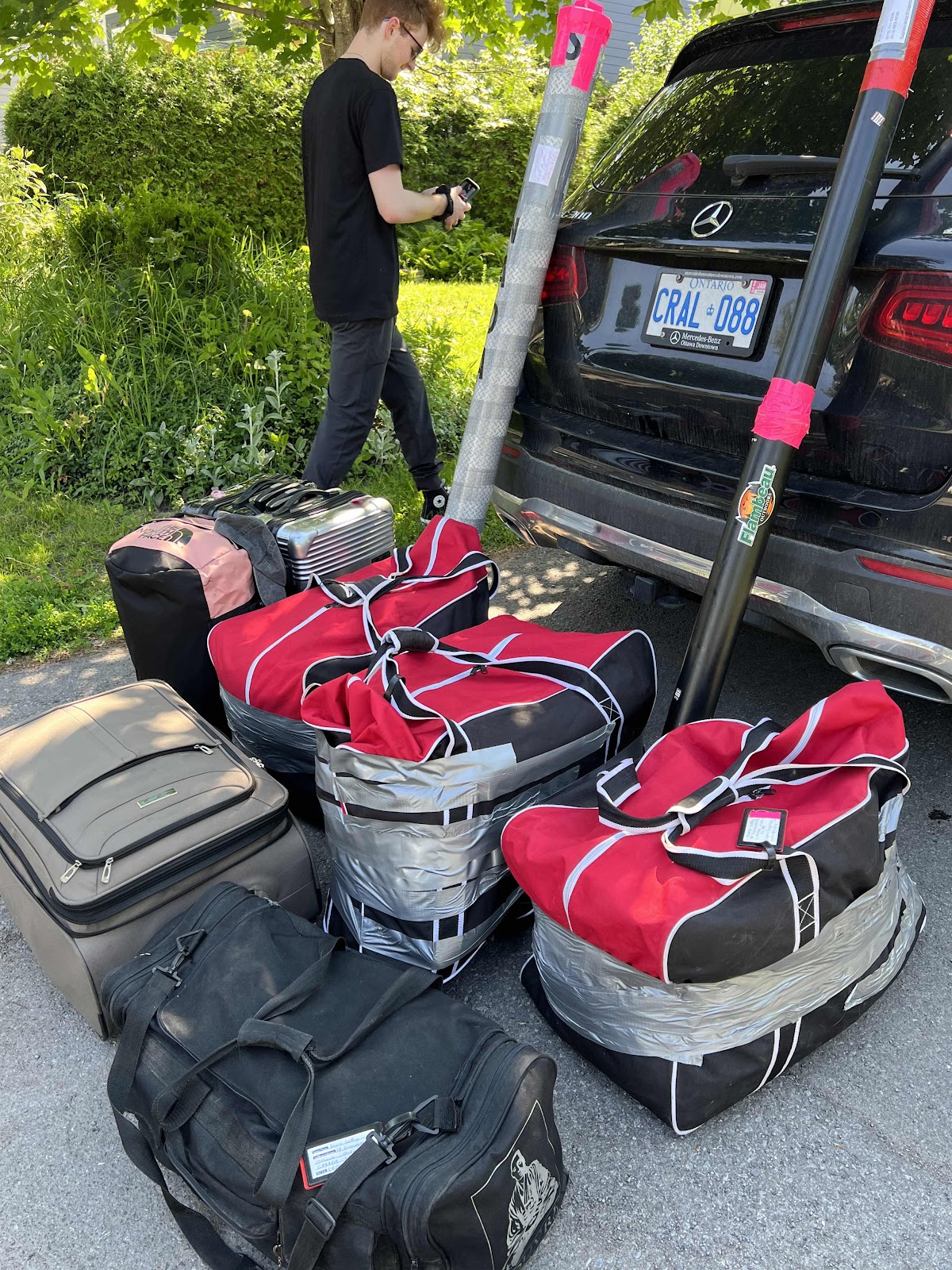
All of our luggage packed with donated karate equipment and uniforms for the Sor-Maison de la Gare karate program arrived safe and sound. This should not surprise me, but it always does. In 22 visits we have not lost a bag. Each bag is right at our allowable weight limit.  Although this will be very much appreciated at Maison de la Gare, there is that long trip up the stairs at our hotel…


The luggage includes some very special items this time. We will be hosting a karate tournament on Canada Day at Maison de la Gare: The Douvris Cup Challenge. The medals and trophies are donated by Canadian and world champions, hoping to inspire by sharing their own hard earned medals with the winners.


We passed through a thunder storm on the way from the airport to Saint Louis. An early sign of the rainy season yet to come. But when we arrived in Saint Louis the streets were dry and the hot air was humid. As our car pulled up to la Maison Rose we were warmly welcomed by old friends. One close friend, Cheikh, had been waiting all day and night for our arrival to greet us. And our reunion with other friends was poignant, after so long apart. “C’est comme chez vous” are more than just words here.


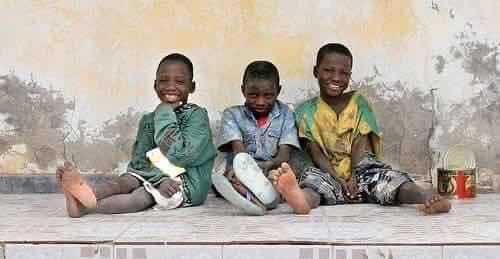
the reason we are here